Anti-Inflammatory Chicken Stir Fry
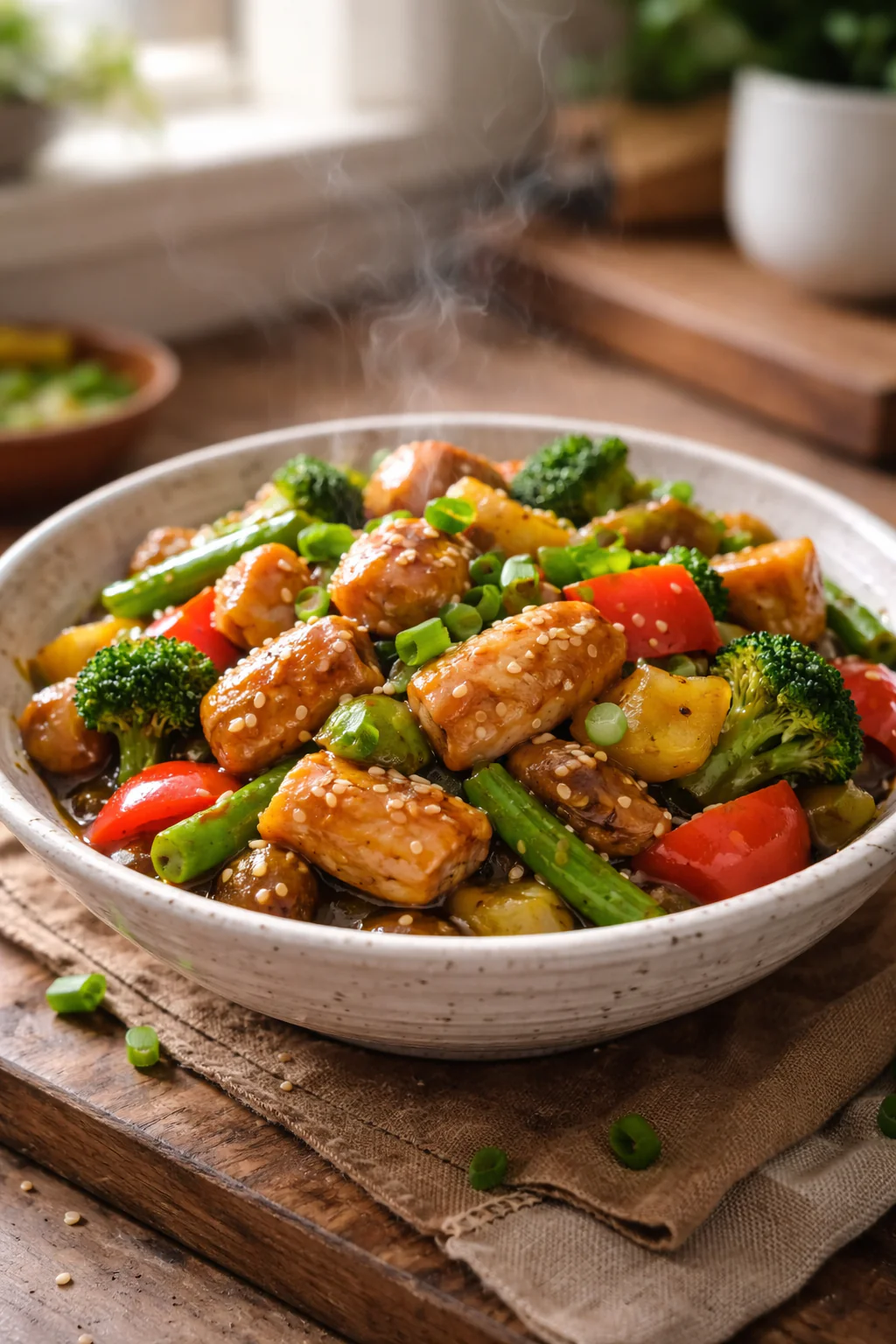
This quick anti inflammatory chicken stir fry uses turmeric and ginger for flavor and a lighter feel. It cooks in one pan for a small batch dinner meant for one or two.
Ingredients You’ll Need
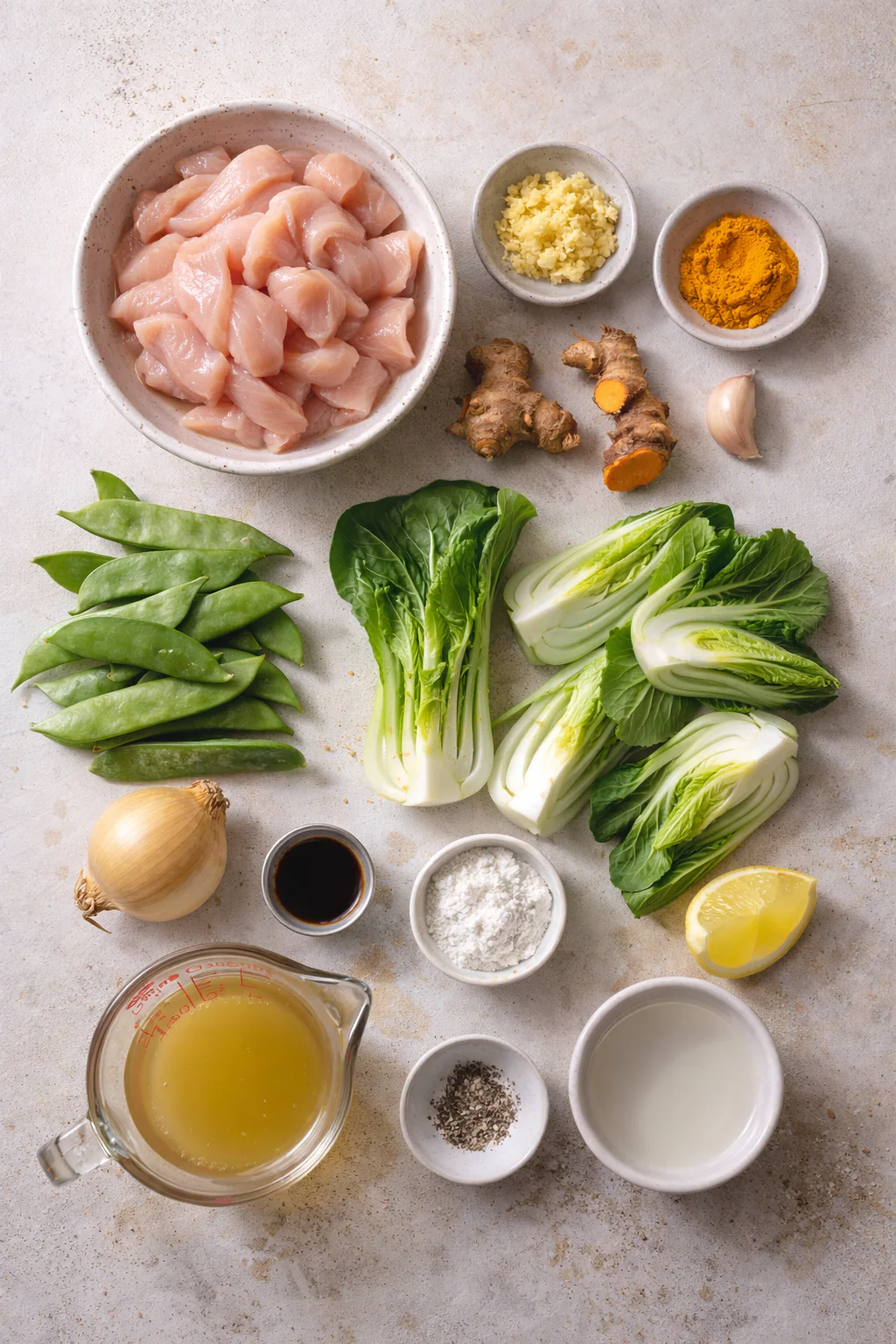
- 8 ounces boneless skinless chicken thigh or breast, thinly sliced (about 225 g)
- 1 tablespoon vegetable oil or light olive oil
- 1 small onion, thinly sliced
- 1 garlic clove, minced
- 1 teaspoon fresh ginger, finely grated
- 1 teaspoon ground turmeric or 1 tablespoon fresh grated turmeric
- 1 small head baby bok choy, quartered lengthwise or 2 medium leaves chopped
- 3/4 cup snap peas, trimmed
- 1/3 cup low sodium vegetable broth or low sodium chicken broth
- 1 teaspoon low sodium soy sauce or tamari
- 1 teaspoon cornstarch mixed with 1 tablespoon cold water
- 1 teaspoon fresh lemon juice or rice vinegar to brighten
- Freshly ground black pepper to taste
- Optional garnish: chopped green onion or a sprinkle of toasted sesame seeds
You can serve this stir fry with a small side of rice, mashed potatoes, or soft bread if you like.
Step-by-Step Recipe
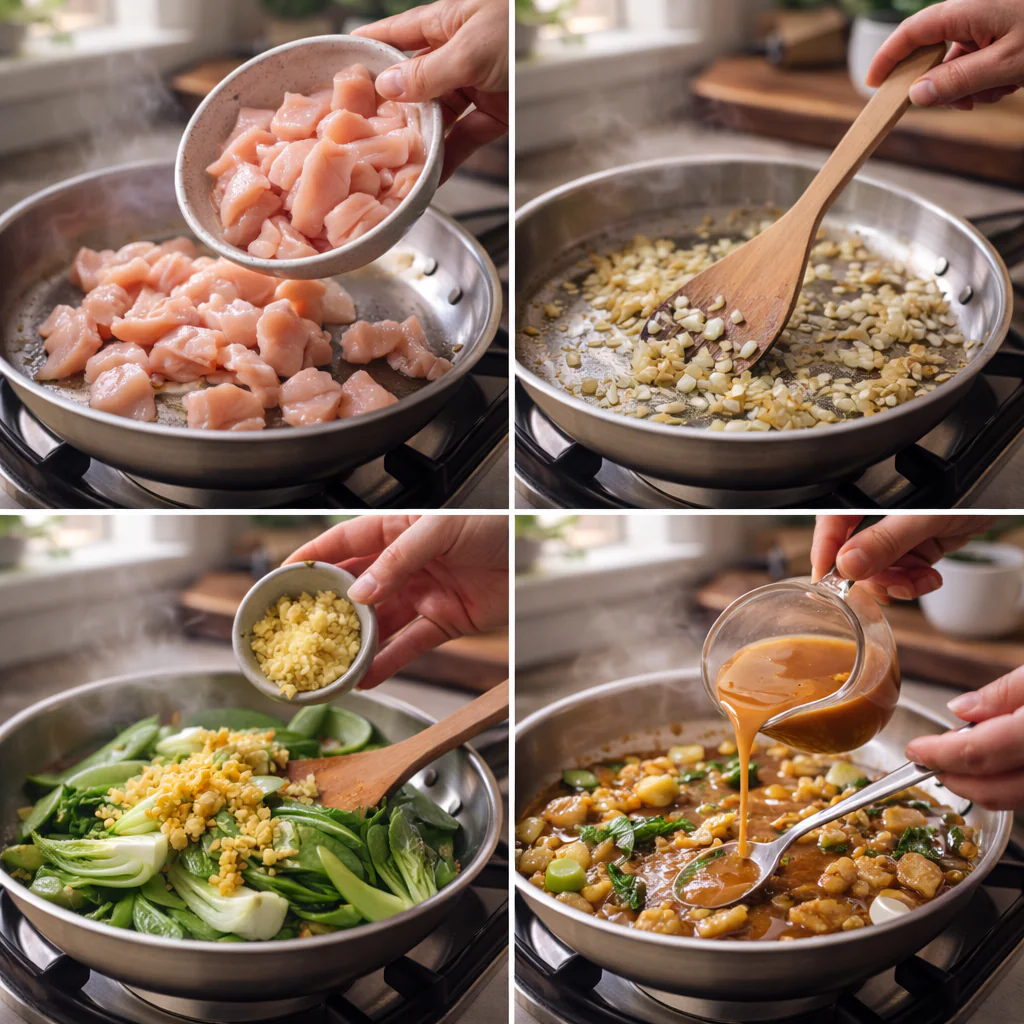
- Prepare ingredients: slice the chicken thin across the grain. Combine ginger, turmeric, and garlic in a small bowl. Mix broth and soy sauce in another bowl.
- Heat a medium nonstick skillet over medium heat. Add oil and swirl to coat.
- Add sliced onion and cook 2 minutes until soft. Push onion to the side.
- Add chicken in a single layer. Cook 2 to 3 minutes until the edges are opaque, stir and cook another 1 to 2 minutes until nearly done.
- Stir in the ginger turmeric garlic mixture and cook 30 seconds until fragrant. Add snap peas and bok choy and stir to combine.
- Pour the broth and soy sauce mixture over the pan. Bring to a gentle simmer. Cover and cook 2 to 3 minutes until vegetables are tender but still slightly crisp and chicken is cooked through.
- Stir in the cornstarch slurry to lightly thicken the sauce. Cook 30 to 60 seconds until glossy. Finish with lemon juice or rice vinegar and pepper.
- Serve warm. Garnish with green onion or sesame seeds if using.
Tips and Easy Variations
Texture and chewing
- Slice the chicken very thin for an easier bite.
- Use ground chicken cooked gently for a softer texture.
- Cook vegetables a bit longer if you prefer them very tender.
Lower salt and digestion
- Use low sodium broth and low sodium soy sauce to reduce salt.
- Replace soy sauce with a squeeze of lemon if you need less salt.
- Use less oil and add more broth for a lighter sauce.
Swaps and meal boosts
- Vegetarian swap: firm tofu pressed and cubed works well.
- Use sugar snap peas, carrots, or zucchini if you do not have snap peas.
- Stir a spoonful of plain yogurt on the plate if you tolerate dairy for extra creaminess.
Quick reminders
- Thin slices of chicken cook faster and stay tender.
- Fresh turmeric gives brighter flavor but ground turmeric is fine.
- Reheat gently with a splash of broth to keep the chicken moist.
Storage and Leftovers
Fridge
Cool leftovers quickly and store in an airtight container in the refrigerator for up to 3 days.
Freezer
This dish is best fresh or refrigerated. Freezing can change the texture of the vegetables and sauce, so freeze only if needed and expect a softer texture on thawing.
Reheating
Reheat gently in a skillet with a splash of broth to keep the chicken moist and prevent drying.
Conclusion
Try this anti inflammatory chicken stir fry for a small, simple dinner that highlights turmeric and ginger. It is quick, gentle on digestion, and easy to adjust for softer textures or lower sodium needs.
The recipe is flexible so you can swap vegetables or protein and still keep the meal light and soothing.
FAQ
Can I use chicken breast instead of thigh?▶
Yes. Slice breast thin and do not overcook. Thin pieces will cook quickly and stay tender.
Is fresh turmeric necessary?▶
No. Ground turmeric works fine. Fresh turmeric gives a brighter flavor and color if you have it, but both are suitable.