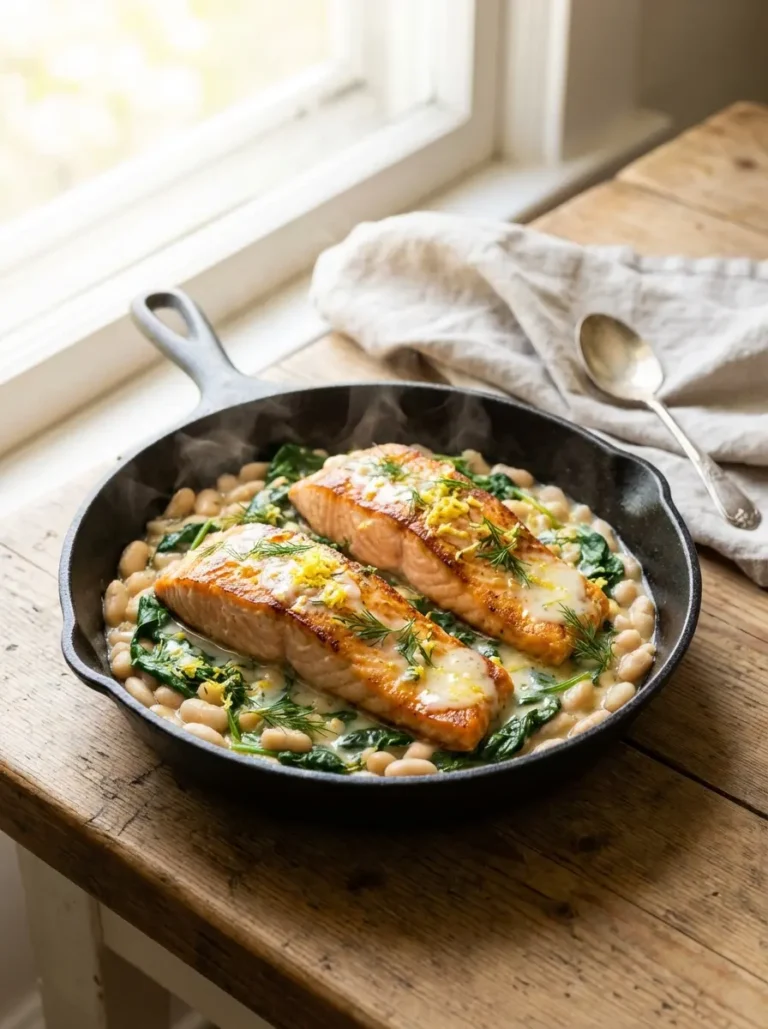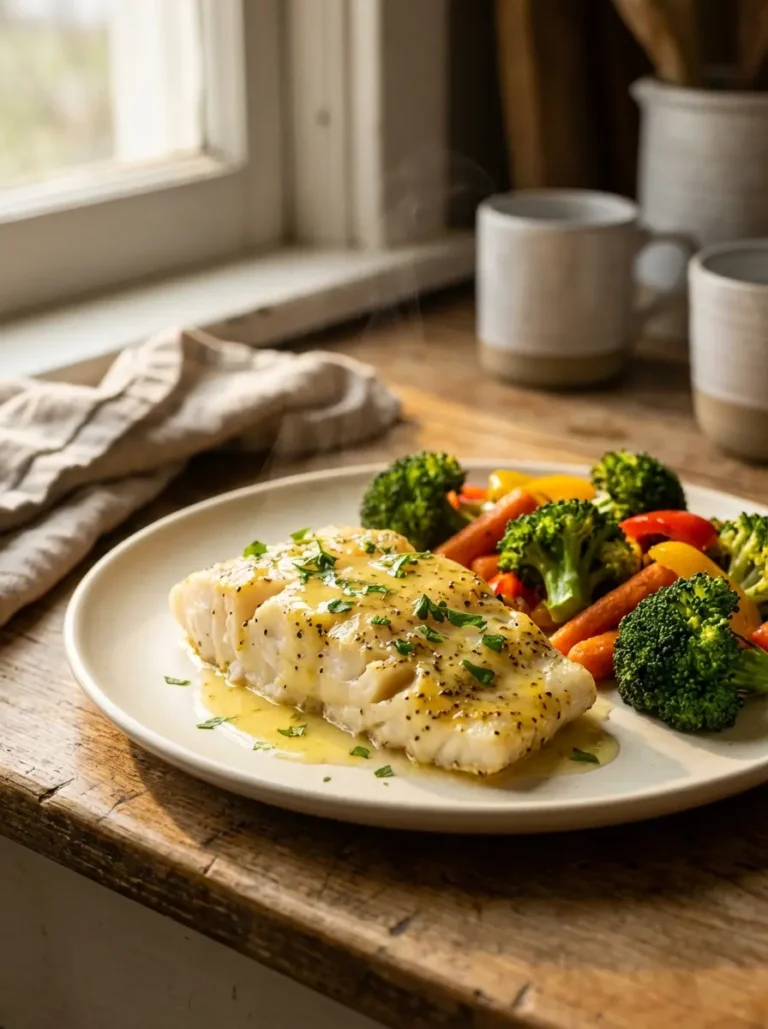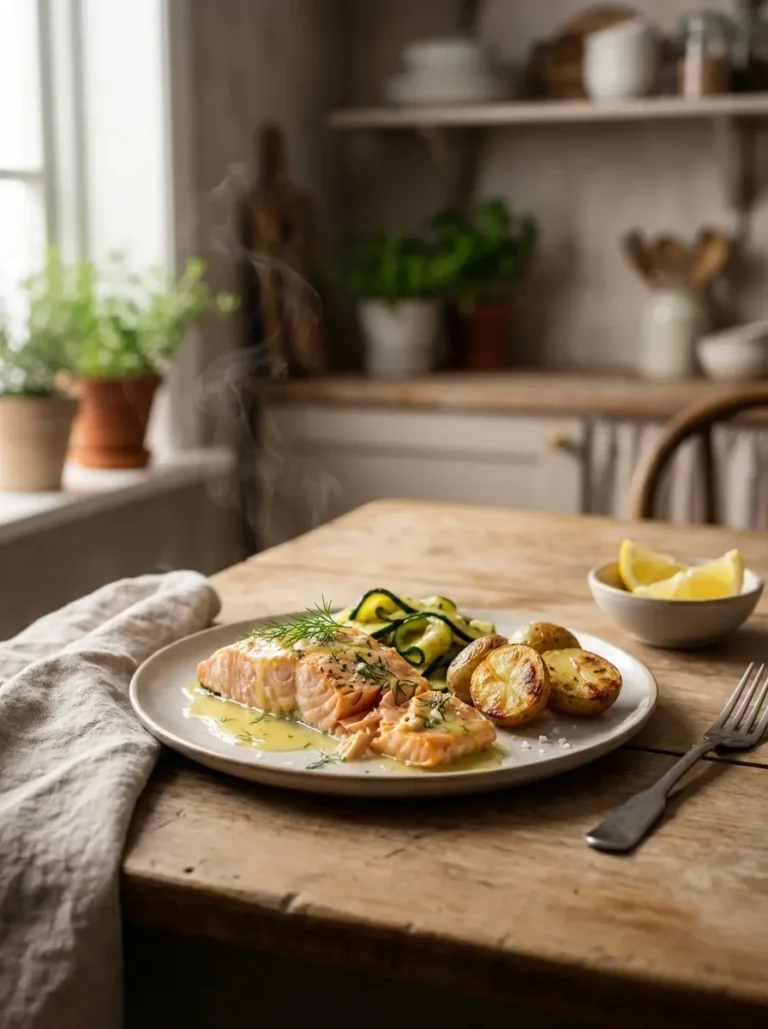
One-Pan Easy Salmon Recipes
One-pan salmon dinners make weeknights simple, bringing heart-healthy omega-3s, vegetables, and whole-food flavors with almost no fuss. These small-portion recipes follow the Nutritional Pyramid 2026–2030 ideas and are sized for 1–2 servings.
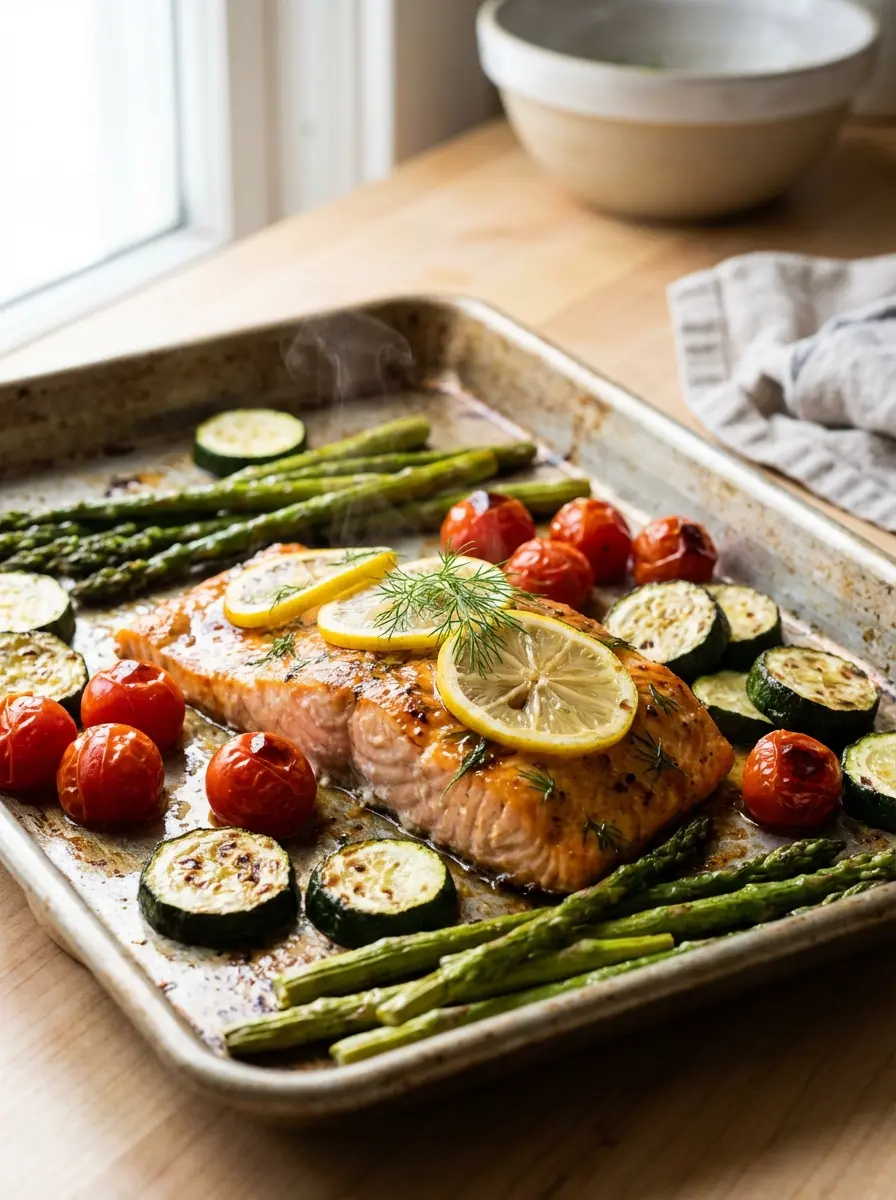
Cooking for one or two shouldn’t mean long lists or lots of cleaning. One pan, a few fresh ingredients, and a short bake or roast give you a balanced meal with minimal effort.
These dinners keep textures soft or easily adjustable. I include tips for making the fish and vegetables easier to chew and lighter on the stomach.
Ingredients You’ll Need
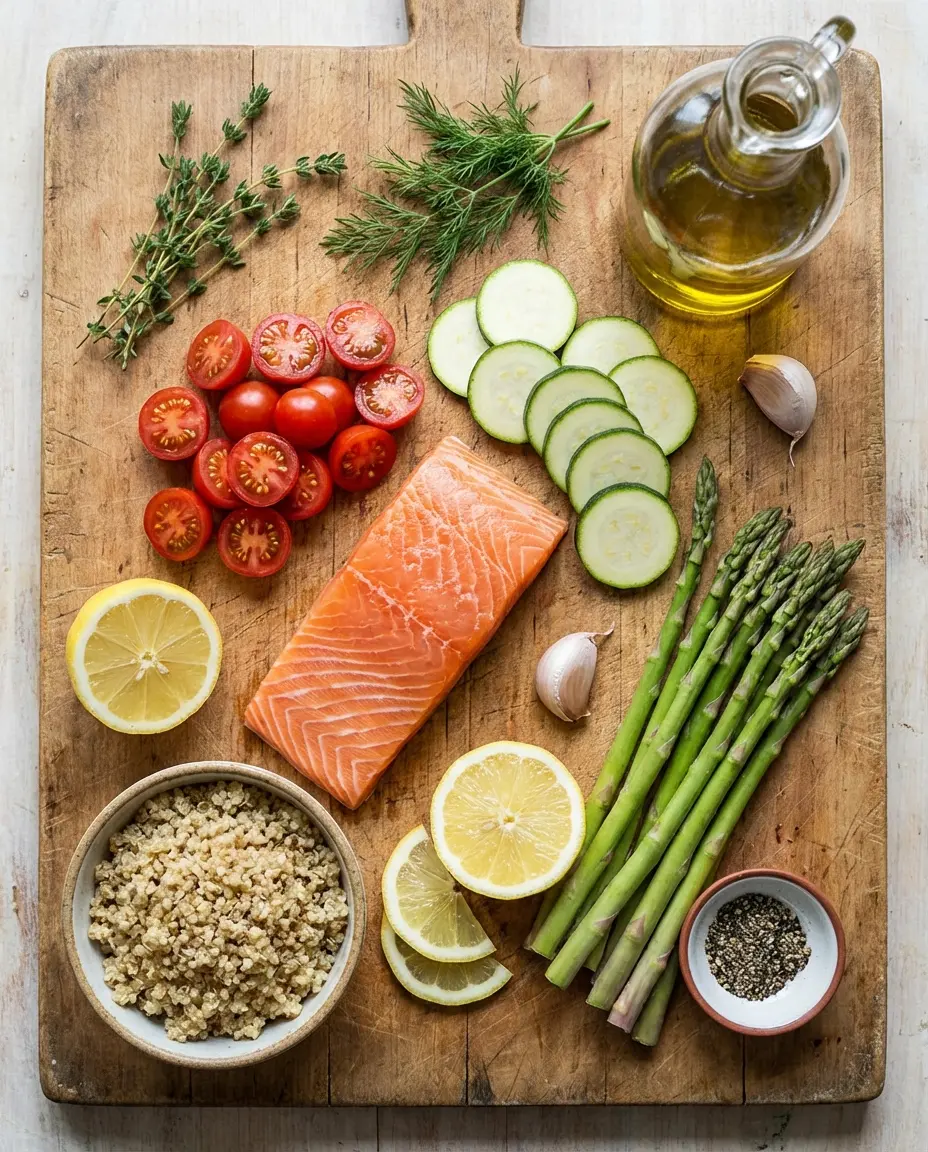
- 1 salmon fillet (about 5–7 oz / 140–200 g), skin-on or skinless
- 1 small zucchini, halved lengthwise and sliced
- 8–10 cherry tomatoes, halved
- 6–8 thin asparagus stalks or a handful of green beans, trimmed
- 1 small potato or 1/2 cup cooked quinoa (optional, for serving)
- 1 garlic clove, thinly sliced
- 1 tablespoon extra-virgin olive oil
- Juice of 1/2 lemon and a few lemon slices
- 1 teaspoon fresh thyme or dill (or 1/2 teaspoon dried)
- Freshly ground pepper and a small pinch of salt (optional)
You can serve this one-pan salmon dinner with a small side of rice, mashed potatoes, or soft bread if you like.
Step-by-Step Recipe
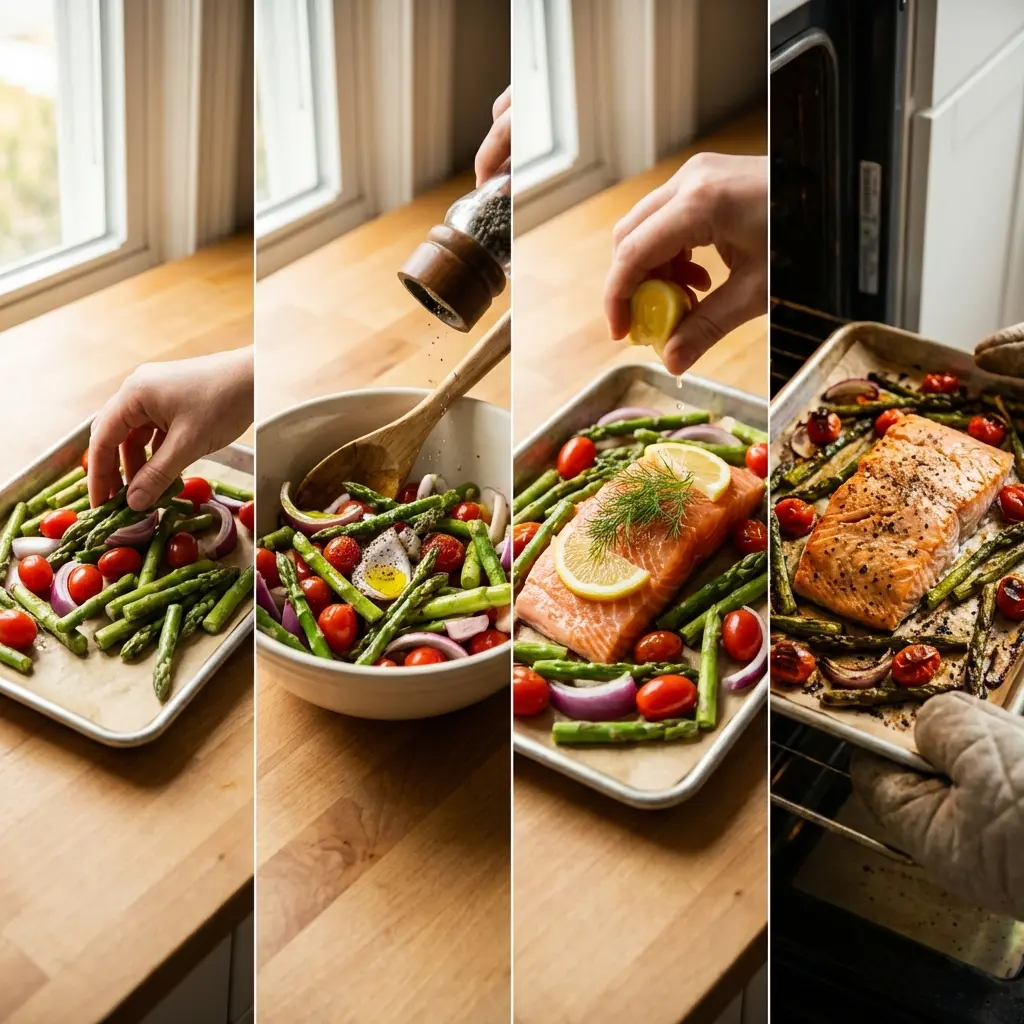
- Preheat your oven to 400°F (200°C). Line a small sheet pan or ovenproof skillet with parchment for easy cleanup.
- Pat the salmon dry. If you prefer softer texture, remove the skin and let the fillet rest skinless.
- Toss the zucchini, tomatoes, asparagus, and garlic with half the olive oil, a squeeze of lemon, and a light grind of pepper. Spread vegetables in one layer on the pan.
- Make a small space and place the salmon fillet, flesh side up. Drizzle the remaining oil and lemon juice over the fish. Scatter thyme or dill and a couple of lemon slices on top.
- Roast, uncovered, for 10–14 minutes depending on thickness, until the salmon flakes easily with a fork and vegetables are tender. For extra-soft vegetables and fish, cover loosely with foil for the last 5 minutes.
- If serving with potatoes or quinoa, warm those while the pan finishes. Plate by placing salmon over the grain or next to mashed potato, spooning pan juices and roasted vegetables alongside.
Tips and Easy Variations
Texture & Gentle Eating
- Remove the skin and flake the salmon into large, soft pieces for easier chewing.
- Cut vegetables into smaller pieces or steam briefly before roasting to soften them.
- Cover with foil for the last few minutes to steam and create extra-tender textures.
Flavor Swaps
- Swap thyme for dill and add orange slices for a brighter citrus profile.
- Add 6–8 halved Kalamata olives and 1 tablespoon capers for a Mediterranean twist.
- Use extra lemon, fresh herbs, and garlic instead of salt to keep sodium low.
Cooking Methods
- Poach salmon in low-sodium vegetable broth with lemon slices for 7–9 minutes for the softest result.
- Use a skillet on medium-low if you don’t have an oven: sear then cover and cook with a splash of broth.
- Steam vegetables briefly before roasting to shorten oven time and ensure tenderness.
Quick serving tips
- Serve salmon over quinoa, rice, or mashed potato to add softness and bulk.
- Spoon pan juices over the fish for extra flavor and moisture.
- For low sodium, skip added salt and boost flavor with lemon and herbs.
Storage and Leftovers
Fridge
Cool leftovers quickly and store in an airtight container in the refrigerator for up to 2 days.
Freezer
If needed, freeze cooked salmon and vegetables separately in airtight containers for up to 1 month; thaw in the fridge overnight before reheating.
Reheating
Reheat gently in a low oven (300°F / 150°C) covered with foil for 8–10 minutes, or flake cold into salads or warm grain bowls. Avoid reheating more than once.
Conclusion
Give this one-pan, small-portion salmon dinner a try. It’s quick, gentle on digestion, and fits the goals of the Nutritional Pyramid 2026–2030 by prioritizing vegetables, healthy fats, and whole foods.
You get a tasty, heart-healthy meal with almost no fuss and minimal cleanup—easy to adapt for flavors, texture, and dietary needs.
FAQ
Can I use frozen salmon?▶
Yes. Thaw in the fridge overnight, pat dry, then follow the recipe. If slightly damp, the salmon may need a minute or two longer in the oven.
What if I don’t have an oven?▶
Use a large skillet on medium-low. Sear the salmon 3 minutes each side, then add vegetables and a splash of low-sodium broth. Cover and cook until everything is tender, about 6–8 minutes.