The traditional nutritional pyramid was a familiar kitchen guide for decades. It helped shape what people bought, how meals were built, and the small routines that made feeding one or two people easier and more predictable. This article looks back at how that simple visual influenced everyday cooking and grocery habits up to 2026 — and offers practical tips that keep those useful habits while cutting waste and effort.
How the pyramid guided meal structure
The pyramid put starchy foods at the base, fruits and vegetables in plentiful portions, proteins and dairy in moderate amounts, and fats and sweets at the top. In home kitchens this translated into a few steady habits:
- Meals often started with a grain: bread, rice, pasta, or cereal became the foundation of breakfasts, lunches and dinners.
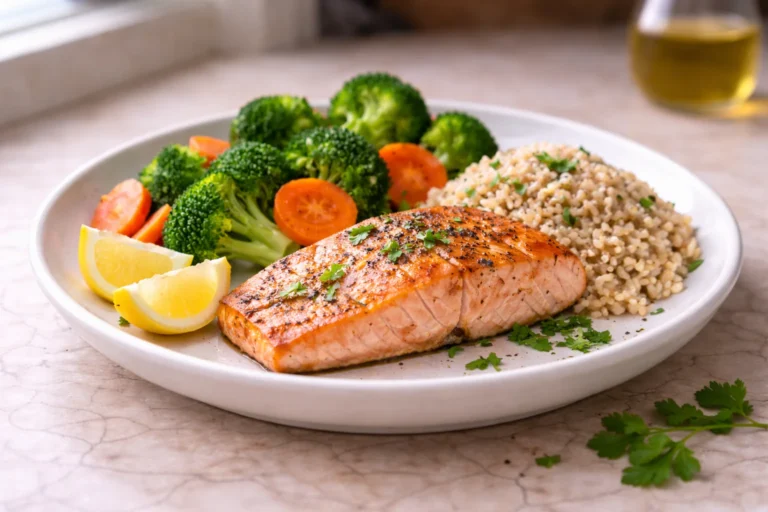
- Placing fruits and vegetables at the heart of the plate encouraged more side salads, steamed vegetables and fruit-for-dessert routines.
- Proteins were planned in smaller portions — a few ounces per person — which made shopping for one or two easier when leftovers were portioned carefully.
Pantry and shopping habits shaped by the pyramid
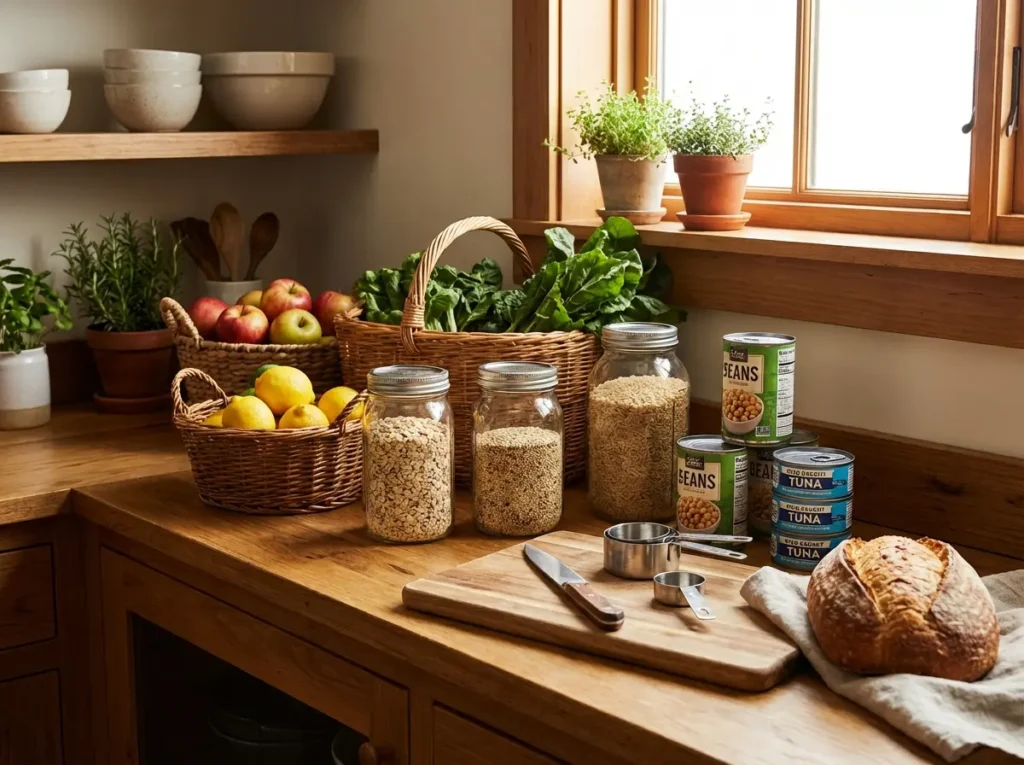
Because the pyramid emphasized certain groups, grocery lists became predictable. Shoppers built pantries to match the pyramid’s balance, which can be an advantage for low-effort cooking for a small household.
- Staples: Whole-grain crackers, oats, brown rice, pasta and sturdy breads were common — they keep well and serve as quick meal bases.
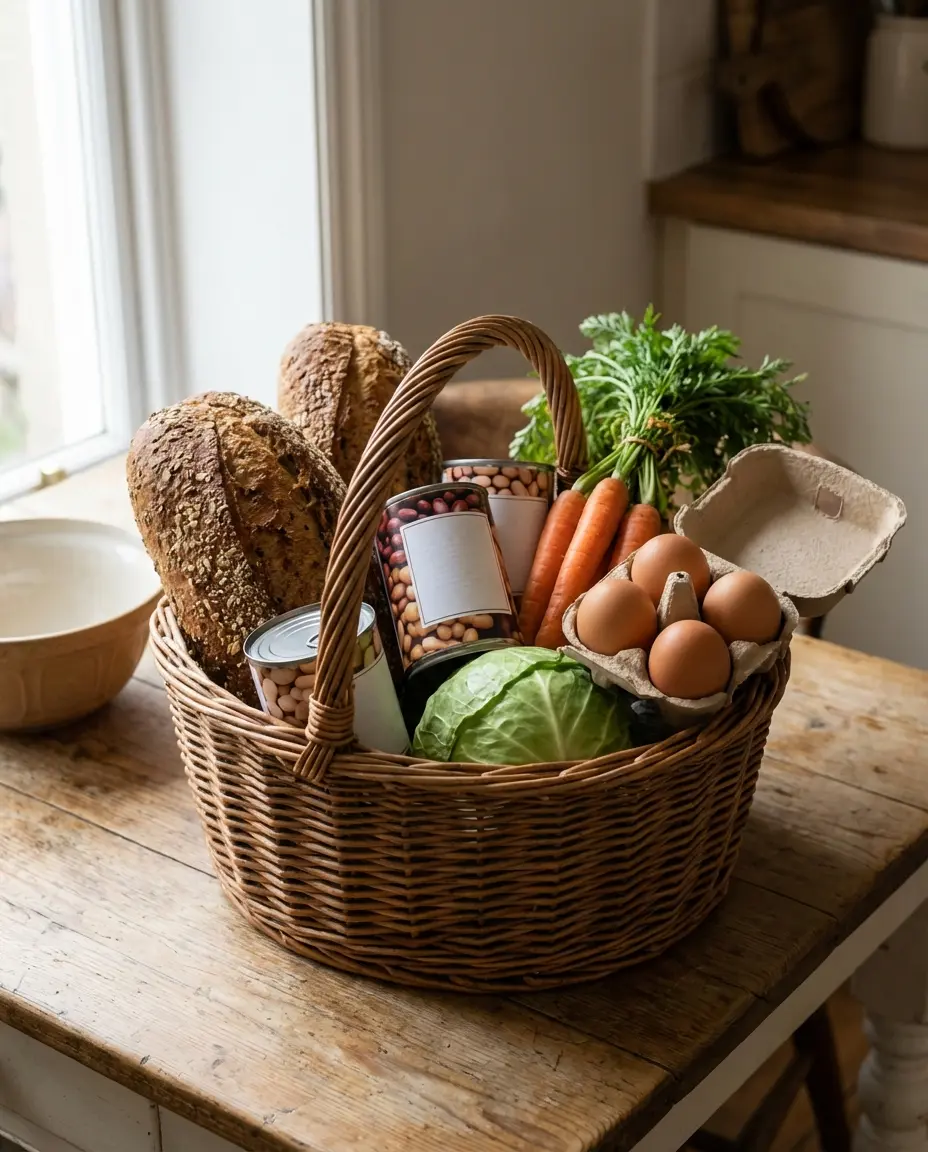
- Long-lasting produce: Apples, carrots, cabbage and winter squash were favored because they support the fruit/vegetable goal and last in the fridge or pantry.
- Convenience proteins: Canned fish, pouched chicken, eggs and canned beans made it simple to add protein without opening large packages.
Portioning and batch strategies for one or two
The pyramid encouraged portion awareness. For people cooking in small quantities, that translated into useful routines to avoid waste and reduce effort.
- Portion and freeze: Cook a modest batch of grains or beans, then divide into single servings in freezer-friendly containers for quick thawing.
- Smaller packages or split buys: If a large container is the only option, split it into smaller portions at home (freeze half a loaf of bread, portion yogurt into small tubs).
- Flexible leftovers: Leftover grains become salads, soups, or a quick skillet meal topped with a fried egg or flaked fish.
Practical, pyramid-inspired meal ideas that minimize waste
Simple meals that reflect the pyramid’s balance are low-effort and easy to shop for in small quantities. Here are a few gentle ideas that reuse ingredients across the week:
- Grain bowl: Warm farro or brown rice, a handful of sautéed greens, a scoop of canned salmon or beans, and a spoon of yogurt or olive oil-based dressing.
- Veggie-forward frittata: Eggs mixed with leftover roasted vegetables and a little cheese. Cook in a small skillet and enjoy for two meals.
- Hearty breakfast porridge: Rolled oats cooked with milk or water, stirred with a spoonful of nut butter, and topped with sliced banana or stewed fruit.
- One-pan roasted chicken and root vegetables with a side of whole grain couscous — roast enough for two meals and refrigerate the rest for an easy lunch.
What the pyramid got right — and where cooks adapted
The pyramid’s clear groups made balancing a meal straightforward, which helped shoppers and cooks who prefer predictable routines. Over time, many home cooks adjusted the model to fit taste and convenience:
- More plant-based swaps: Beans and lentils often replaced some animal proteins while keeping the plate balanced and budget-friendly.
- Smarter fats: Instead of avoiding fats entirely, cooks used small amounts of olive oil, nuts, and avocado to add flavor and satiety.
- Time-saving techniques: Steaming in batches, using a slow cooker, and leaning on frozen vegetables kept meals fresh without daily shopping trips.
Putting the pyramid to work in your kitchen today
The traditional pyramid gave many cooks a simple way to build balanced meals. For people shopping and cooking for one or two, its lessons are still useful: base meals on a grain or starchy vegetable, add plenty of produce, include a modest portion of protein, and use dairy or alternatives as needed. The key is adapting those ideas to small-scale shopping and low-effort cooking.
- Plan two or three simple base meals (a grain bowl, a one-pan roast, a breakfast-for-dinner) and reuse the same core ingredients in different ways.
- Buy versatile staples in small amounts or portion and freeze larger packages immediately to avoid waste.
- Keep canned beans, frozen vegetables, and single-serving proteins on hand for quick, balanced meals that follow the pyramid’s spirit without extra effort.