Reducing sodium is one of the most important dietary changes for people living with heart conditions. Too much sodium can increase blood pressure, cause fluid retention, and put extra strain on the heart. Over time, this added pressure can make heart problems worse.
The good news is that many natural foods are naturally low in sodium and can support heart health when included in a balanced diet. Fresh fruits, vegetables, whole grains, and lean proteins can provide essential nutrients without the excess salt found in many processed foods.
In this guide, you will discover the best low sodium foods for heart patients, foods to limit, and practical tips to reduce sodium while still enjoying flavorful meals every day.
Why Reducing Sodium Is Important for Heart Patients
How Sodium Affects Blood Pressure
Sodium plays a role in regulating fluid balance in the body. When too much sodium is consumed, the body retains more water. This extra fluid increases the volume of blood circulating through the blood vessels, which raises blood pressure.
How Excess Sodium Strains the Heart
Higher blood pressure forces the heart to work harder to pump blood throughout the body. Over time, this added workload can weaken the heart and contribute to serious cardiovascular problems.
Benefits of a Low Sodium Diet
Reducing sodium intake may help lower blood pressure, reduce fluid retention, and support overall heart health. Many heart specialists recommend focusing on fresh, minimally processed foods to naturally limit sodium intake.
Best Low Sodium Foods for Heart Patients
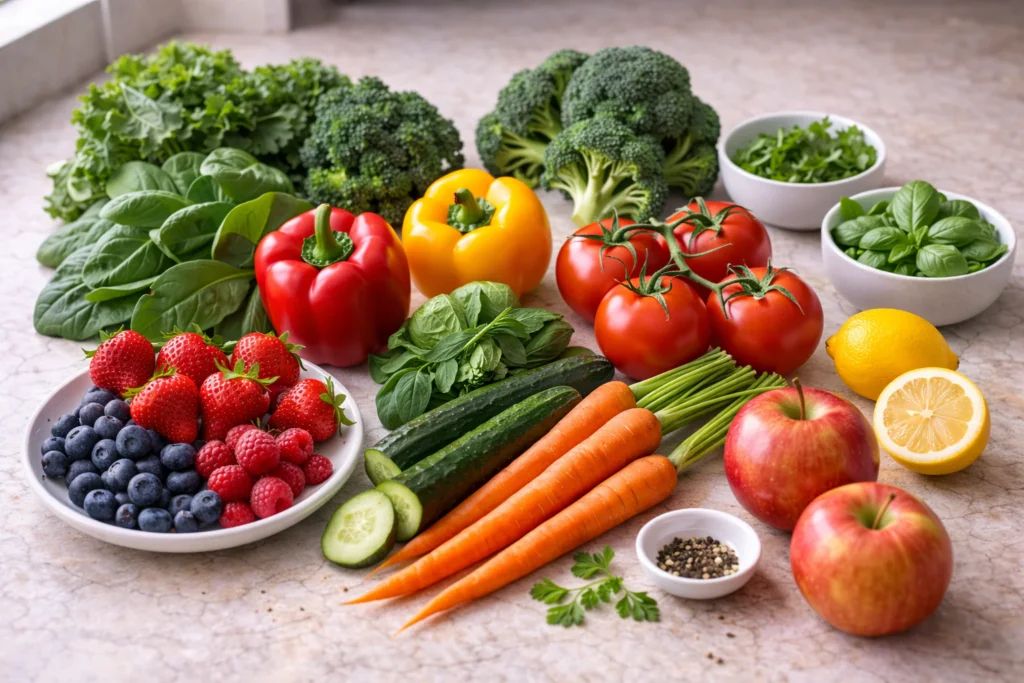
Fresh Fruits Naturally Low in Sodium
Most fruits contain very little sodium and are excellent choices for heart patients.
- Apples
- Bananas
- Berries
- Oranges
- Pears
- Peaches
Vegetables That Are Heart Friendly
Fresh or frozen vegetables without added salt are naturally low in sodium and rich in nutrients.
- Spinach
- Broccoli
- Carrots
- Zucchini
- Cucumbers
- Sweet potatoes
Healthy Fats That Support Heart Health
Healthy fats can support heart health when consumed in moderation.
- Olive oil
- Avocado
- Unsalted nuts
- Seeds
Lean Proteins Suitable for Heart Patients
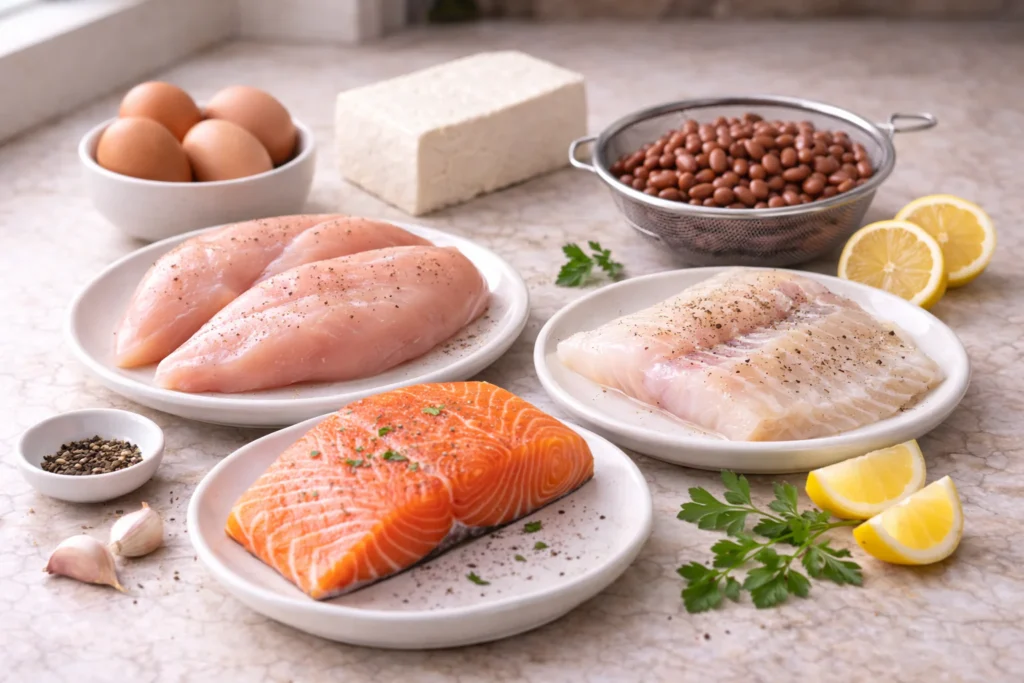
Protein is essential for maintaining muscle and overall health. Choosing fresh and unprocessed sources helps keep sodium levels low.
- Fresh chicken breast
- Turkey
- Fish such as salmon or cod
- Eggs
- Beans cooked without added salt
- Lentils
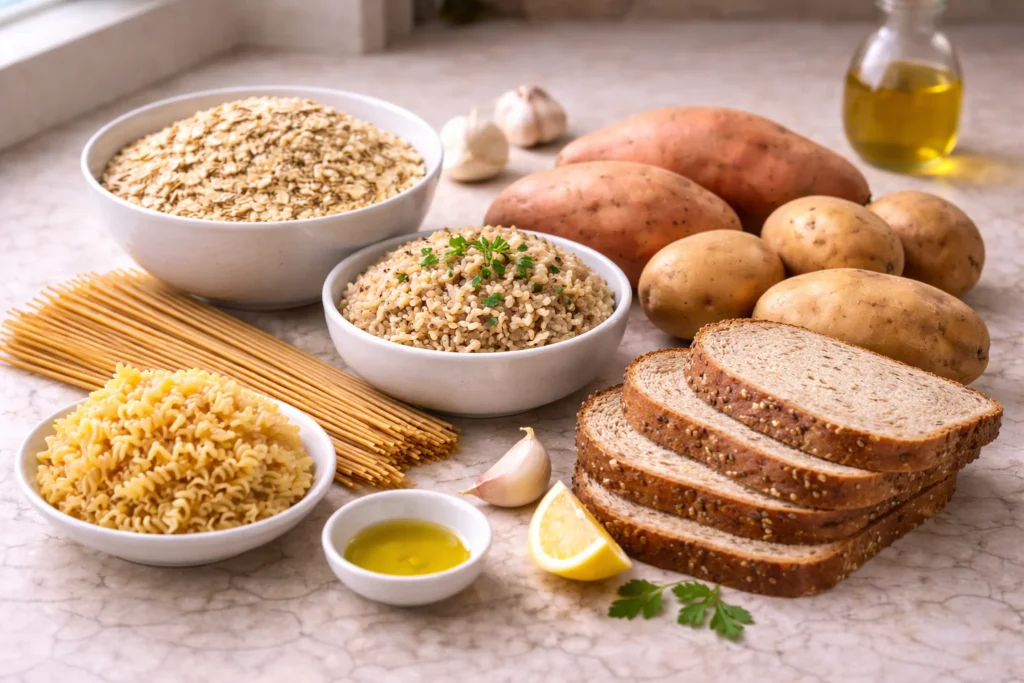
Whole Grains Low in Sodium
Whole grains provide fiber and energy while remaining naturally low in sodium when prepared without salt.
- Brown rice
- Quinoa
- Oats
- Barley
- Whole wheat pasta
Foods High in Sodium Heart Patients Should Avoid
Processed and Packaged Foods
Many packaged foods contain large amounts of sodium to improve flavor and extend shelf life.
Canned Soups and Ready Meals
These products often contain high sodium levels. If you use canned foods, look for low sodium versions or rinse them before cooking.
Processed Meats
- Bacon
- Ham
- Sausage
- Deli meats
Salty Snacks
- Chips
- Salted nuts
- Crackers
High Sodium Condiments
- Soy sauce
- Ketchup
- Salad dressings
- Bouillon cubes
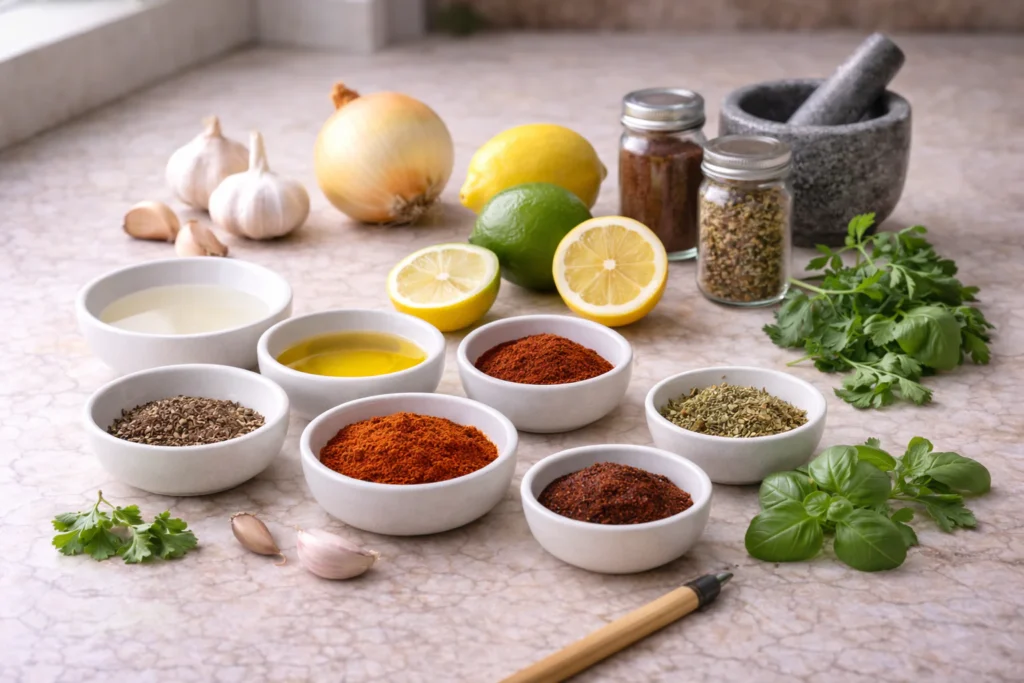
How to Reduce Sodium When Cooking at Home
Use Herbs and Spices Instead of Salt
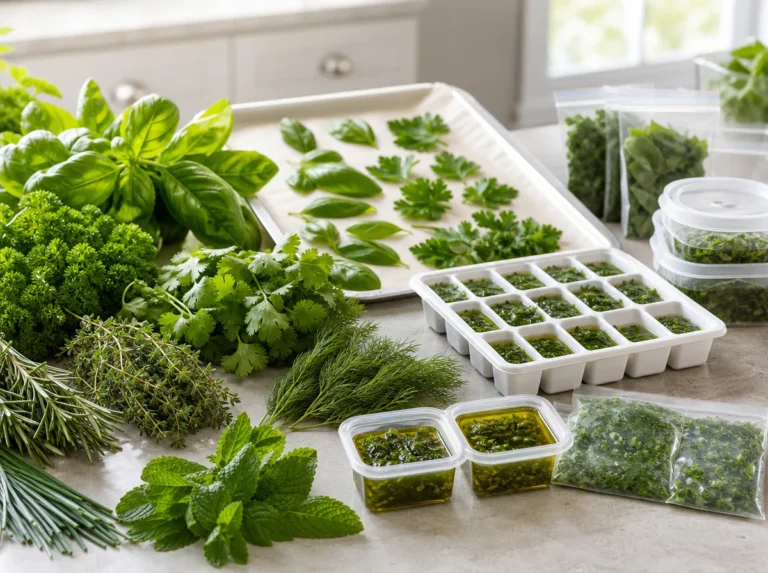
Fresh herbs, garlic, lemon juice, and spices can add flavor without increasing sodium levels.
Cook with Fresh Ingredients
Preparing meals from scratch allows you to control exactly how much sodium goes into your food.
Choose Low Sodium Versions of Common Foods
Many grocery stores now offer low sodium broths, sauces, and canned foods that can help reduce overall salt intake.
Rinse Canned Foods to Reduce Sodium
Rinsing canned beans or vegetables under water can remove some of the added sodium.
Recommended Sodium Intake for Heart Patients
How Much Sodium Per Day Is Safe
Many health organizations recommend limiting sodium intake to about 1500 mg per day for people with heart conditions or high blood pressure. Even reducing sodium gradually can have positive effects on heart health.
How to Read Sodium on Food Labels
Food labels can help you track sodium intake. Look for products labeled “low sodium” or “no added salt.” In general, foods containing less than 140 mg of sodium per serving are considered low sodium options.
FAQ
What foods have the lowest sodium
Fresh fruits, vegetables, whole grains, and unprocessed meats are naturally very low in sodium. These foods form the foundation of a heart healthy low sodium diet.
Are eggs good for heart patients
Eggs are naturally low in sodium and can be part of a balanced diet for many heart patients when consumed in moderation.
Is rice low in sodium
Plain rice contains very little sodium, especially when cooked without added salt or salty sauces.
Can heart patients eat cheese
Some cheeses contain high amounts of sodium. Heart patients may choose small portions or select lower sodium varieties when available.
What is considered low sodium per serving
In general, foods containing 140 mg of sodium or less per serving are considered low sodium according to many nutrition guidelines.
Choosing low sodium foods can make a significant difference for people managing heart conditions. By focusing on fresh ingredients, limiting processed foods, and using herbs and spices instead of salt, it is possible to enjoy flavorful meals while supporting heart health.
Small dietary changes made consistently over time can help reduce blood pressure, support cardiovascular health, and contribute to a healthier lifestyle overall.