Shopping for fresh vegetables in small amounts can be a challenge—not only to avoid waste but to keep meals varied and satisfying. When preparing food for just one or two people, selecting the right produce and storing it properly are key to enjoying fresh flavors without feeling overwhelmed. This article offers simple strategies to help you shop smart, keep vegetables fresh longer, and make cooking easier and more enjoyable.
Choose Smaller Portions and Versatile Vegetables
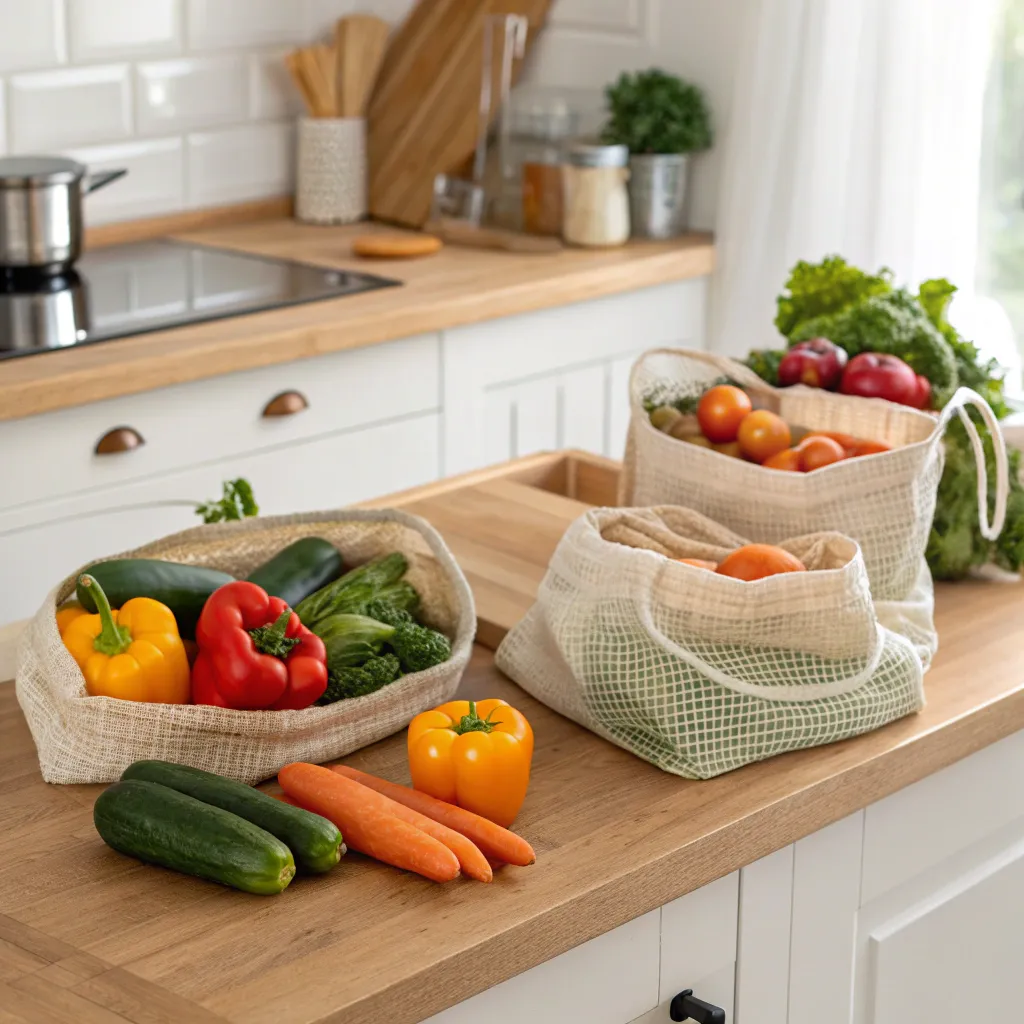
Look for vegetables sold in smaller bunches or loose pieces rather than large bags or bulk packaging. This helps prevent spoilage once opened. Some stores offer pre-cut or individually wrapped items, which can save time and reduce waste.
Focus on vegetables that can be used in several dishes, so leftovers don’t go unused. For example:
- Carrots: great for roasting, soups, salads, or snacking raw.
- Bell peppers: useful in stir-fries, sandwiches, or stuffed with grains and beans.
- Zucchini: easy to sauté, spiralize into noodles, or add to casseroles.
Use Smart Shopping Strategies to Get Freshness and Convenience
Timing your shopping trips for when stores restock fresh produce sections can mean access to the freshest picks. Early mornings or weekday trips often have the best selection and less crowding.
Visiting farmers’ markets or local produce stands can also offer smaller quantities and fresher varieties compared to supermarkets. Don’t hesitate to ask vendors for the best picks for your needs—they can often recommend vegetables suited for small portions.
Storage Tips to Keep Vegetables Fresher Longer
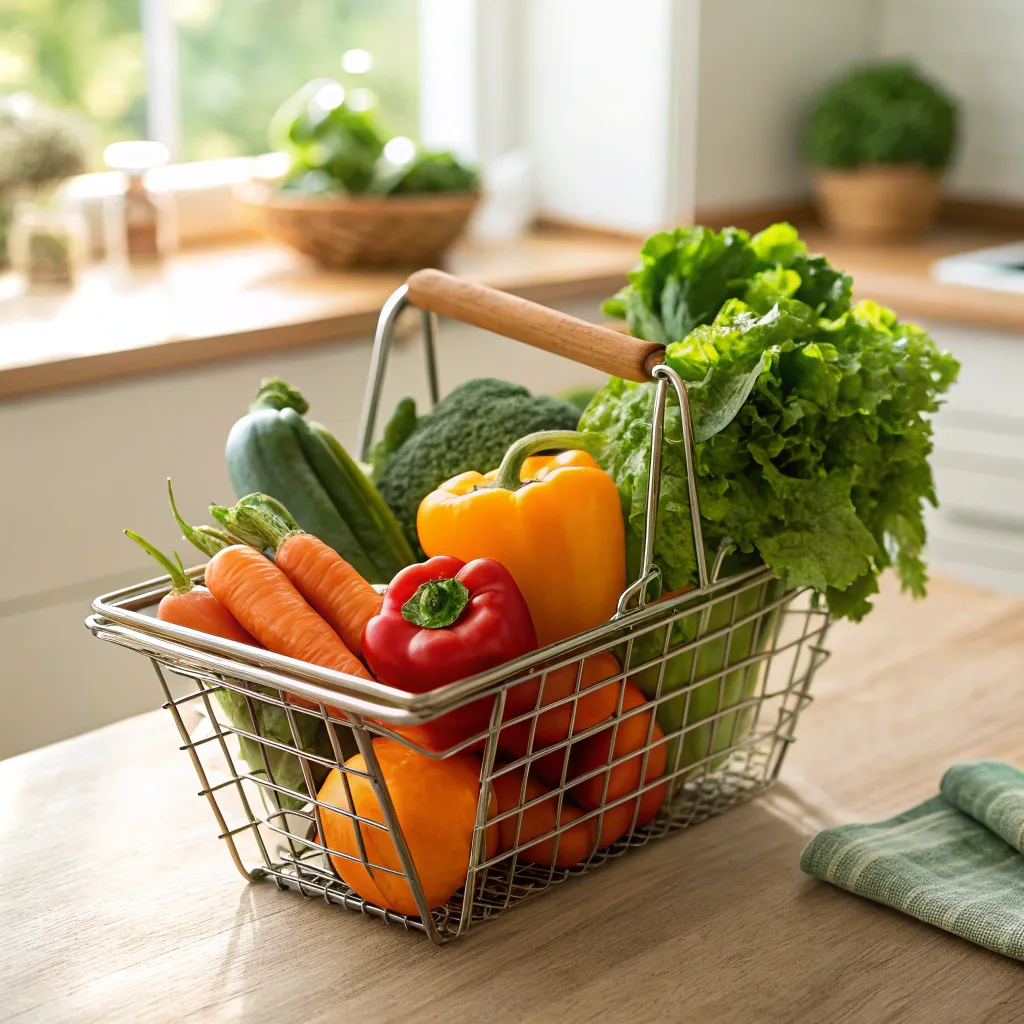
Proper storage extends freshness and reduces trips to the store. Here are some easy tips:
- Leafy greens: Wrap them gently in a clean, damp paper towel and place in a breathable bag or container in the fridge.
- Root vegetables: Store in a cool, dark place; some do well in the refrigerator crisper drawer.
- Tomatoes: Keep them at room temperature away from direct sunlight to preserve flavor.
- Herbs: Treat fresh herbs like cut flowers—trim the stems and keep in a glass of water in the fridge, loosely covered with a plastic bag.
Plan Meals to Use Produce Efficiently
Planning simple meals around your vegetables helps you use everything before it spoils:
- Prepare a vegetable-based soup or stew that can be refrigerated or frozen in portions.
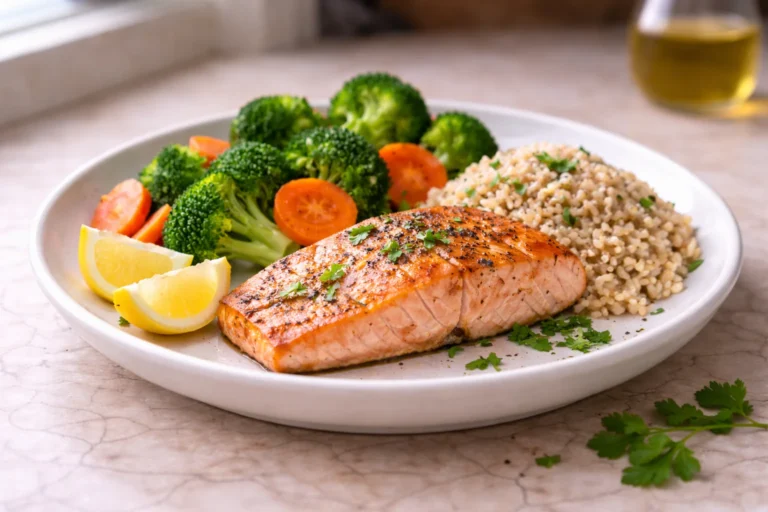
- Pick one or two fresh vegetables for a chicken or fish dinner and keep it straightforward.
- Use leftovers in mixed salads or quick stir-fries to add freshness and variety.
Getting Started with Fresh Vegetable Shopping
- Visit your produce section or a farmer’s market early in the day for the best selection of small portions.
- Choose versatile vegetables that work in multiple meals, like carrots, zucchini, and bell peppers.
- Store your vegetables with gentle care—wrapping greens, keeping roots cool, and treating herbs like cut flowers.
- Plan simple meals that help you use your fresh vegetables efficiently, minimizing waste and effort.