Choose Smaller Portions and Flexible Ingredients
Many stores now offer produce in smaller packages or by loose weight, which helps avoid excess. When shopping, look for:
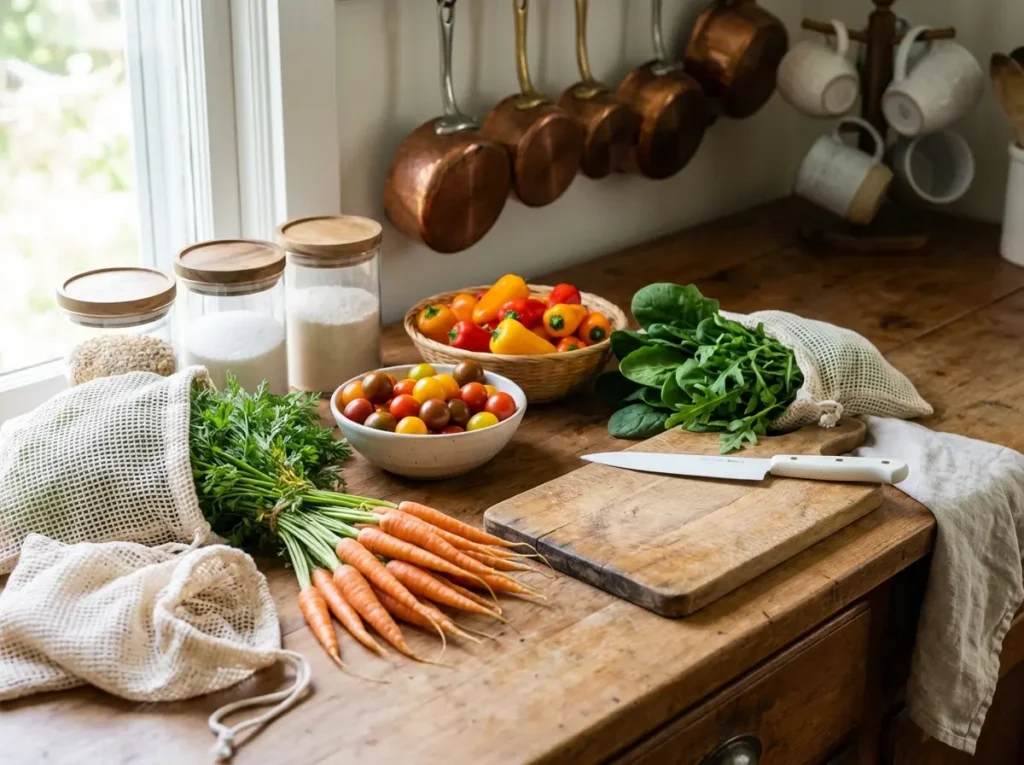
- Mini or “baby” varieties: Baby carrots, cherry tomatoes, baby cucumbers, or small apples are perfectly sized and often last longer.
- Individual pieces: Instead of buying a bunch of bananas or a full head of lettuce, pick what you need—one or two fruits or salad leaves.
- Multi-use vegetables: Choose versatile items like bell peppers, zucchini, or spinach that can be added raw to salads, lightly cooked, or included in soups and stir-fries.
This flexibility allows you to use produce in multiple dishes, keeping your menu interesting without excess leftovers.
Plan for Storage and Extend Freshness
Fresh produce is best enjoyed at its peak, but careful storage can extend its life and reduce waste. Here are some easy tips:
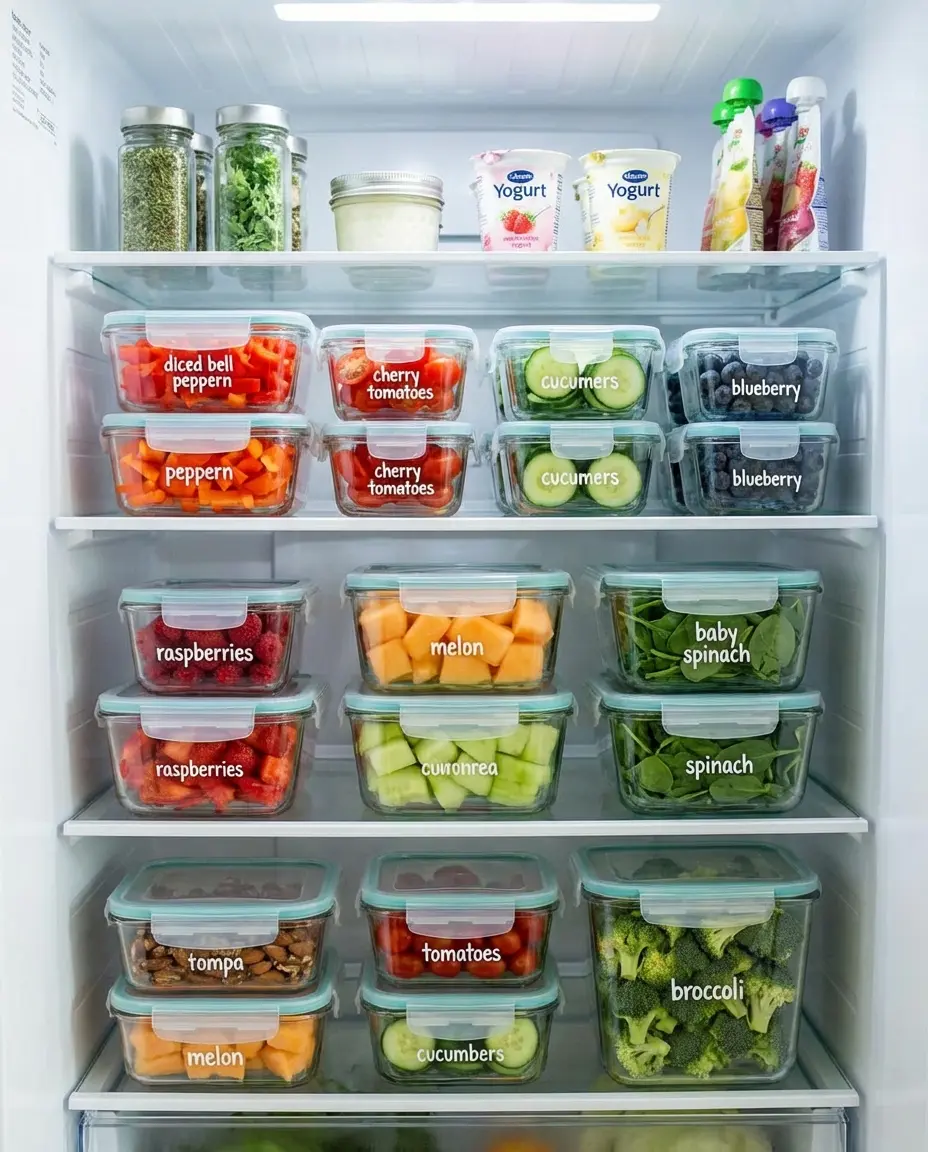
- Use clear, breathable containers: Store washed leafy greens in a container lined with a clean paper towel to absorb moisture.
- Separate ethylene producers: Keep fruits like apples and avocados away from vegetables sensitive to ethylene gas to prevent premature spoilage.
- Freeze extras: If you buy berries, peas, or chopped vegetables, freeze portions you won’t use right away. Frozen produce can be great for smoothies or quick cooked dishes.
- Buy pre-cut or pre-washed if it helps: These can save energy and reduce waste, but check the sell-by date and use promptly.
Make Small Batches and Use Leftovers Creatively
Cooking smaller amounts helps keep meals fresh and appealing. Plus, you can turn any leftover produce into easy additions for future meals:
- Soups and stews: Toss in leftover carrots, celery, or spinach.
- Omelets and frittatas: Eggs can turn vegetables into a quick, gentle meal.
- Salad bowls: Combine raw veggies with canned beans and a simple dressing.
- Snacks: Sliced cucumbers or bell peppers with hummus make a healthy option that requires minimal preparation.
Start Fresh with Simple Shopping Steps
- Choose smaller, versatile produce items that suit your meal plans.
- Store fruits and vegetables properly to keep them fresh longer.
- Plan meals in small quantities and use leftovers in creative ways.
- Consider frozen or pre-cut produce to save time and reduce waste.
By using these strategies, you can enjoy the taste and benefits of fresh produce without the worry of waste or complicated preparation. A little planning makes a big difference for cooking comfortably and healthfully, every day.