
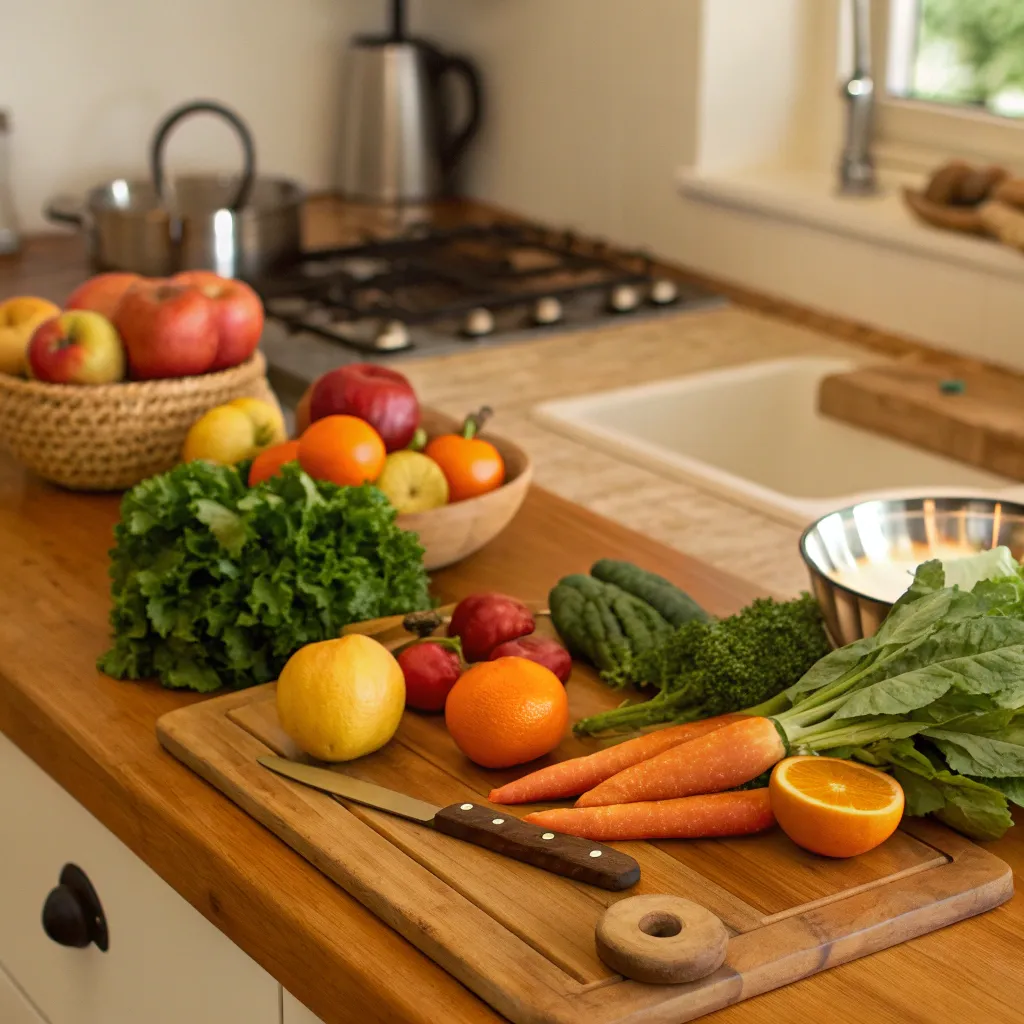
Shopping for fresh fruits and vegetables can be a joyful part of preparing wholesome meals, especially when cooking for one or two people. However, it can also feel tricky to buy just the right amount without letting food go to waste. With a little planning and knowledge, you can enjoy fresh produce daily and keep your kitchen neat and organized.
Choose Produce That Lasts and Fits Your Routine
When shopping in smaller quantities, it helps to focus on fruits and vegetables that stay fresh longer or can be stored easily. For example, apples, carrots, cabbage, and citrus fruits tend to have a longer shelf life. Root vegetables like potatoes, sweet potatoes, and beets can last for weeks in a cool, dark place, making them great staples to keep on hand.
On the other hand, more delicate produce like berries, leafy greens, and tomatoes should be purchased in smaller amounts closer to the time you plan to eat them, as they spoil faster.
Smart Shopping Tips to Minimize Waste
To help avoid waste and save trips to the store, try these practical strategies:
- Buy from the bulk or loose bins: This way you can select the exact quantity you need rather than pre-packaged options that may be too large.
- Look for multi-use vegetables: Items like carrots, bell peppers, or zucchini can be eaten raw, cooked, or added to soups and stews.
- Choose frozen or canned as backup: Sometimes, having frozen peas, corn, or green beans on hand provides convenience without waste, and the nutritional value stays high.
- Inspect produce carefully: Pick items without bruises or soft spots for a longer shelf life.
Storing Fresh Produce for Maximum Freshness
Once home, proper storage is key to keeping produce fresh and ready to use:
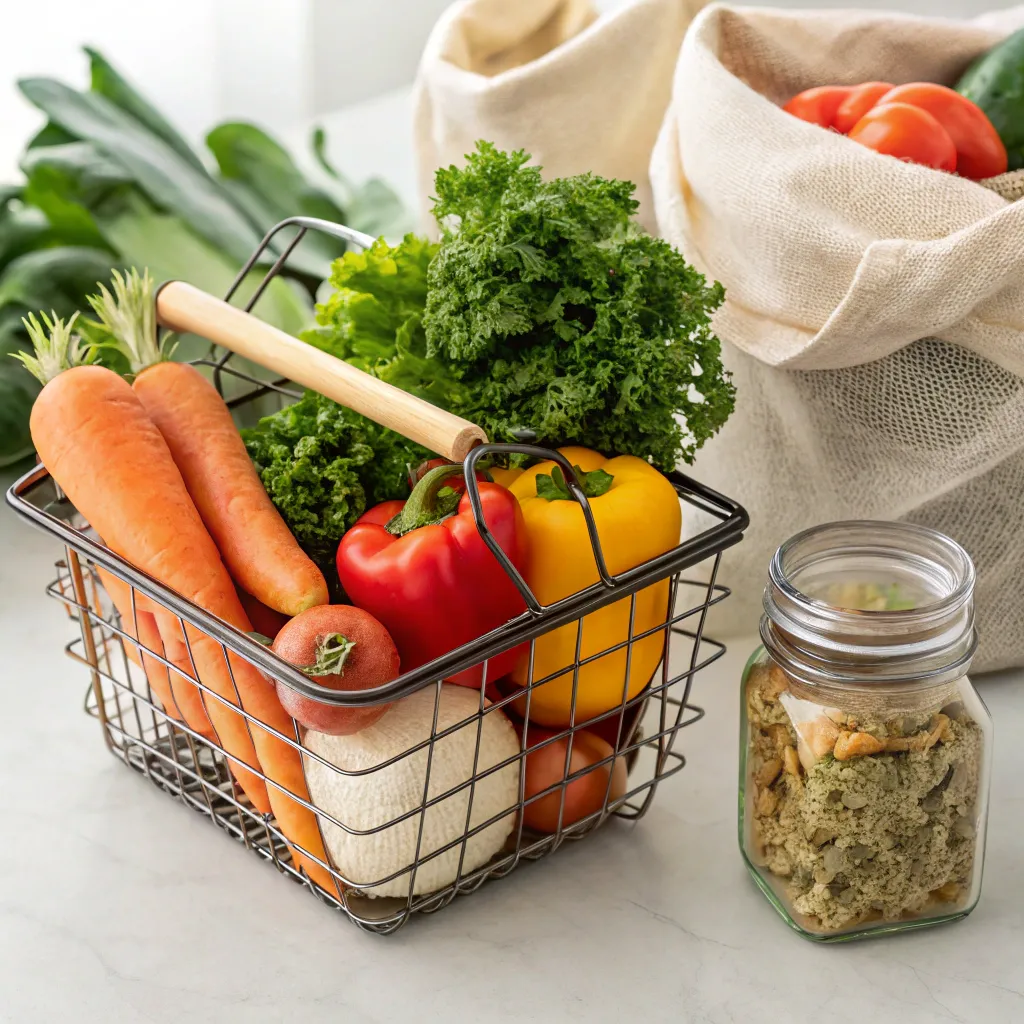
- Use breathable bags for leafy greens: Wrap salads in a paper towel inside a perforated plastic bag or reusable mesh produce bag to keep them crisp.
- Store herbs like fresh flowers: Trim stems and place in a jar with a little water on the counter or in the fridge depending on the herb type.
- Keep ethylene-producing fruits separate: Apples, bananas, and avocados release a natural gas that speeds ripening. Store these away from sensitive vegetables like lettuce and carrots.
- Portion and prep soon after shopping: Chop veggies for easy snacks or freeze small portions to extend usability.
Simple Steps to Improve Your Fresh Produce Shopping
- Plan your meals for the week to estimate how much fresh produce you will use.
- Shop loose produce to buy just the right amounts for one or two servings.
- Store fruits and vegetables properly to keep them fresh longer.
- Consider frozen or canned options as helpful backups to avoid waste and save time.
With these gentle grocery tips, you can enjoy fresh, healthy meals without the stress of overbuying or rushing to use items before they spoil. Happy shopping!