Shopping for fresh fruit can be a delightful way to add color, flavor, and nutrients to your meals and snacks. Yet, when cooking for one or two, it can be challenging to buy just the right amount of fresh fruit to enjoy without letting any go to waste. This article offers gentle, practical advice for selecting, storing, and enjoying fresh fruit in smaller quantities, keeping your kitchen simple and waste-free.
Choose Fruits That Suit Your Needs
When shopping for fresh fruit in small amounts, think about your usual eating habits and preferences. Opt for fruits that are versatile, easy to prepare, and have a longer shelf life when fresh.
- Choose smaller-sized fruits: For example, plums, apricots, or clementines often come in manageable sizes to eat in one sitting.
- Buy loose rather than pre-packaged: Picking individual pieces helps you choose the exact quantity and avoid excess.
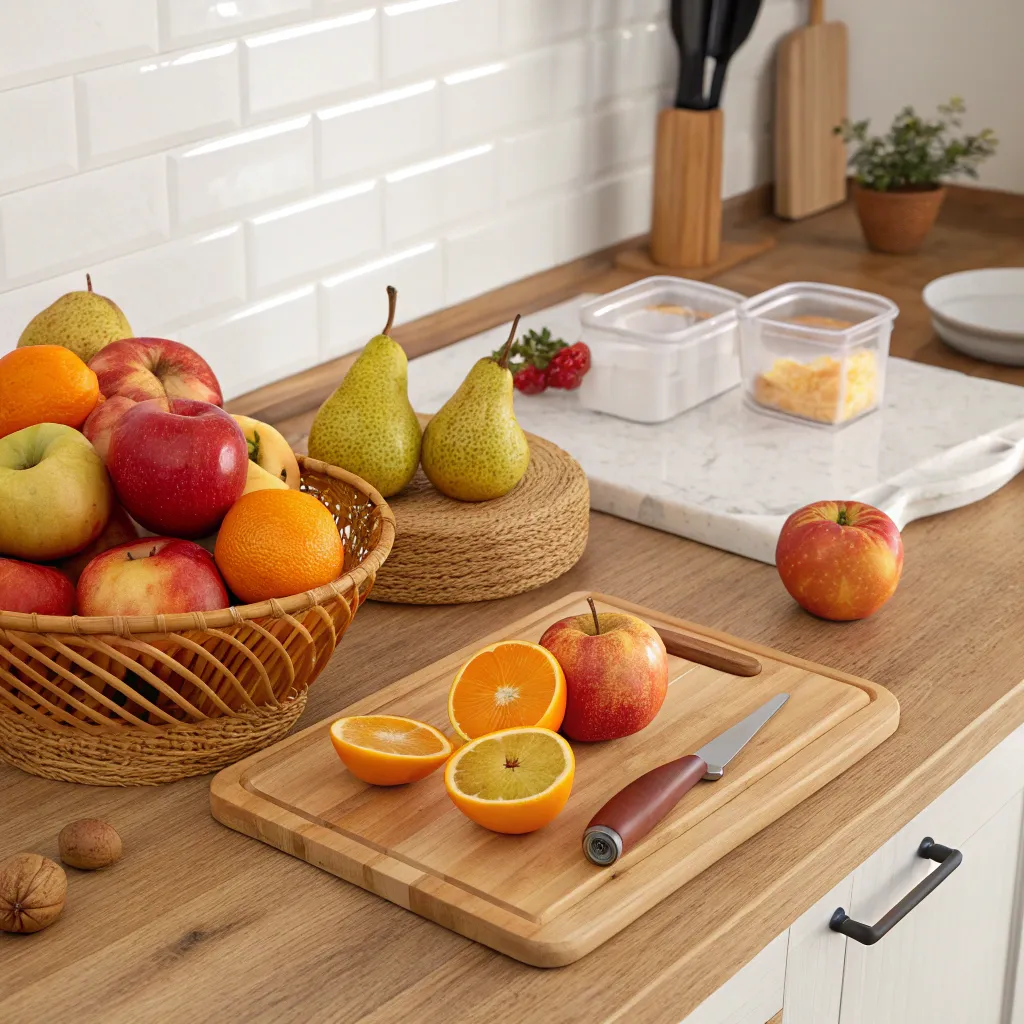
- Focus on fruits with firm texture: Apples, pears, and citrus fruits typically last longer at room temperature or in the fridge, giving you more time to enjoy them.
Mindful Shopping: How to Pick the Freshest Fruit
Freshness is key to ensuring your fruit tastes great and lasts longer. Here are some simple points to consider when selecting fruit at the store or market:
- Check for ripeness: Slightly firm is often best for home ripening—too soft fruit can spoil quickly.
- Look for blemishes: Avoid fruits with bruises or cuts, which encourage spoilage.
- Smell the fruit: A pleasant, fruity aroma often means it’s ripe and ready to enjoy.
Store Fresh Fruit Wisely to Extend Its Life
Proper storage makes a big difference in how long your fresh fruit stays delicious. Here are some tips to keep fruit fresh without fuss:
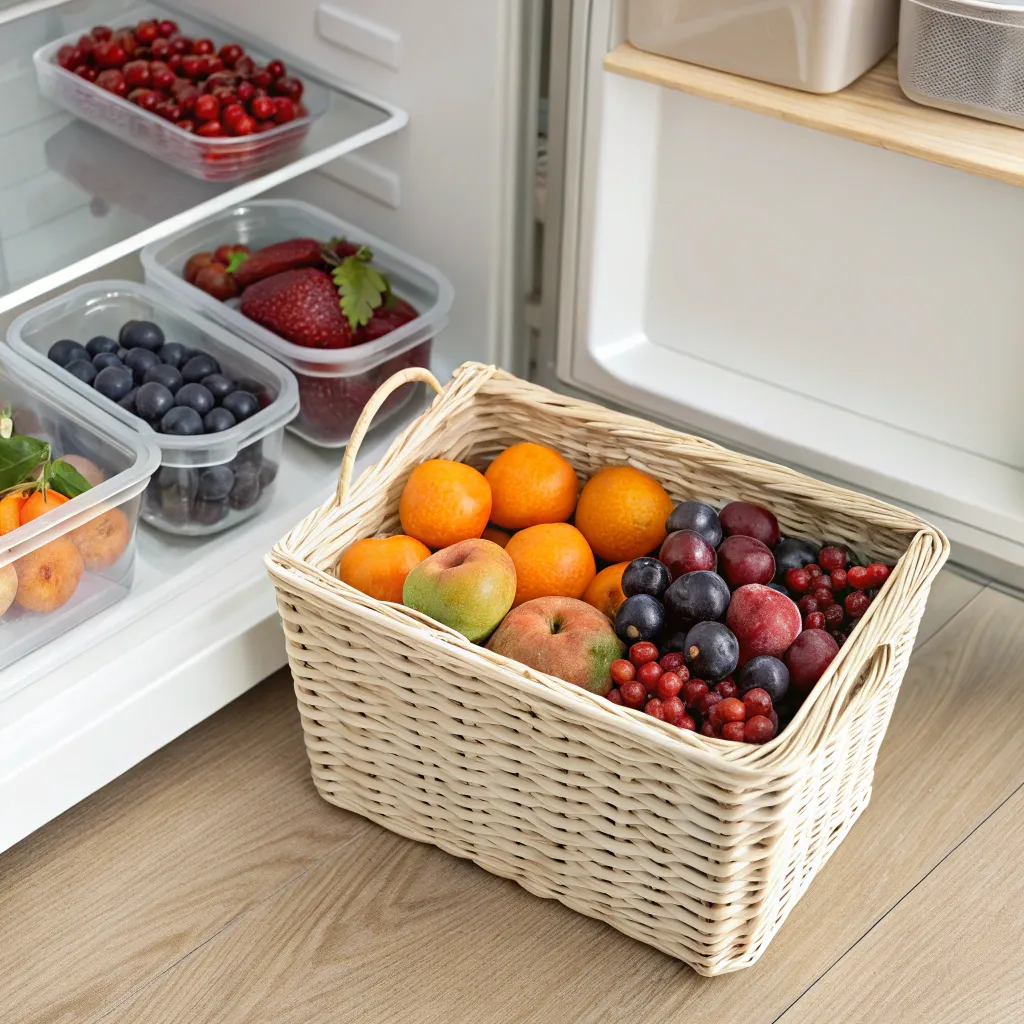
- Use the fridge for most fruits: Berries, cherries, grapes, and sliced fruits keep best in the refrigerator.
- Store fruits separately: Some fruits release natural gases that speed ripening—keep ethylene producers like apples apart from more sensitive fruits like berries.
- Invest in small storage containers: Clear, shallow containers help keep berries dry and visible, reducing waste.
- Allow some fruits to ripen at room temperature: Bananas, peaches, nectarines, and pears fare better ripening on the counter before refrigerating.
Simple Ideas to Use Fresh Fruit and Avoid Waste
Even with careful shopping and storage, sometimes fresh fruit can near the end of its freshness. Here are easy ways to use fruit and enjoy every bite:
- Fresh fruit salads: Combine different fruits for a quick, healthy dessert or snack.
- Add fruit to yogurt or oatmeal: It brightens breakfasts and uses smaller pieces of fruit.
- Freeze extra fruit: Slice peaches or berries and freeze them to add to smoothies or baking later.
- Make compotes or fruit sauces: Gently cook fruit with a little water and a natural sweetener for a tasty topping on bread or pancakes.
Getting Started With Better Fresh Fruit Shopping
- Plan to buy loose, small-sized fruits that you can comfortably eat within a few days.
- Pick fresh, firm fruit without blemishes and enjoy the ripening process at home.
- Store fruit correctly—some in the fridge, some on the counter—to extend freshness.
- Have a few easy recipes in mind to use up fruit before it softens, such as fruit salads or quick compotes.
With these simple tips, fresh fruit shopping can be a stress-free, enjoyable part of your routine that adds both flavor and nourishment to your daily meals.