Choosing fresh seafood can be intimidating when shopping for one or two people. Overbuying often leads to waste, while buying too little might leave you short for a meal. This guide offers simple, practical tips to help you select, store, and enjoy fresh fish and shellfish with confidence and ease.
Look for Freshness Indicators
When selecting fresh seafood, pay attention to these key signs to ensure quality and safety:
- Smell: Fresh fish should have a clean, ocean-like scent—not strong, fishy, or sour.
- Appearance: The flesh should look moist, firm, and vibrant. Avoid dull, dry, or discolored spots.
- Eyes: Whole fish should have clear, bright eyes, not cloudy or sunken.
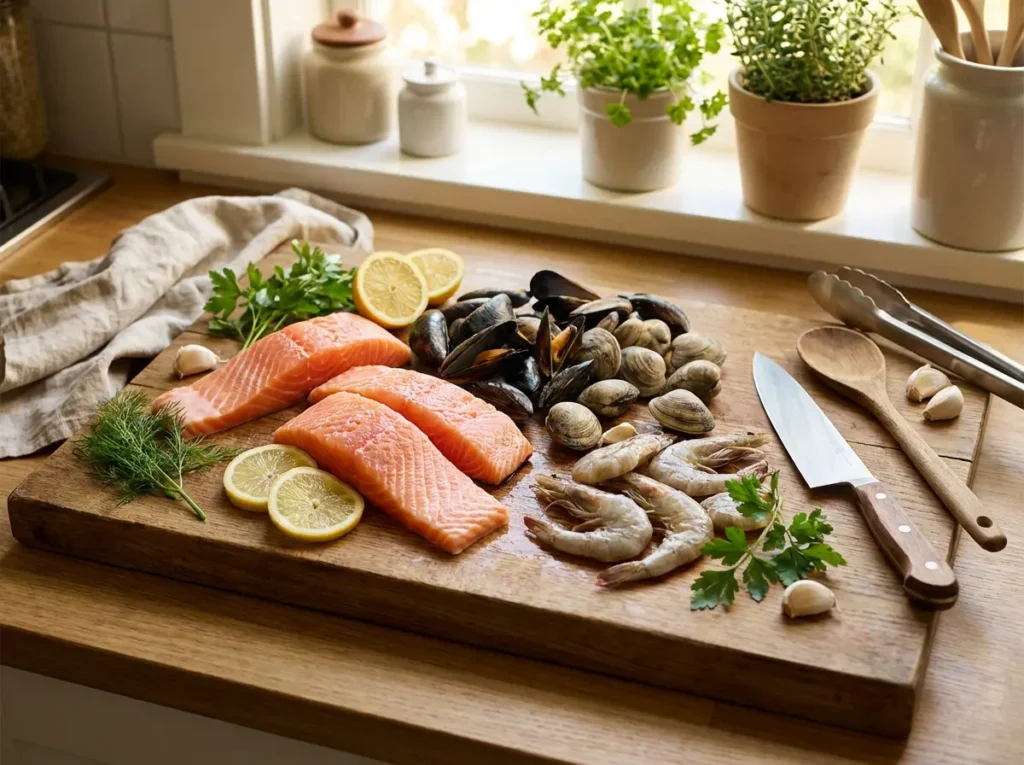
- Shellfish: Live clams, mussels, or oysters should be tightly closed or close when tapped.
Buy Only What You Can Use Within 1–2 Days
Since seafood is highly perishable, it’s best to purchase just enough for one or two meals. If convenience matters, consider these tips:
- Ask your fishmonger to prepare smaller portions, like fillets or steaks, suited for one or two servings.
- Purchase pre-portioned or individually wrapped seafood so you can thaw or cook exactly what you need.
- Frozen seafood can be a helpful backup for occasional use—choose options without added sauces or heavy seasoning for flexibility.
Simple Storage Tips to Keep Seafood Fresh
Proper storage keeps fresh seafood safe and tasty, especially when cooking for just one or two:
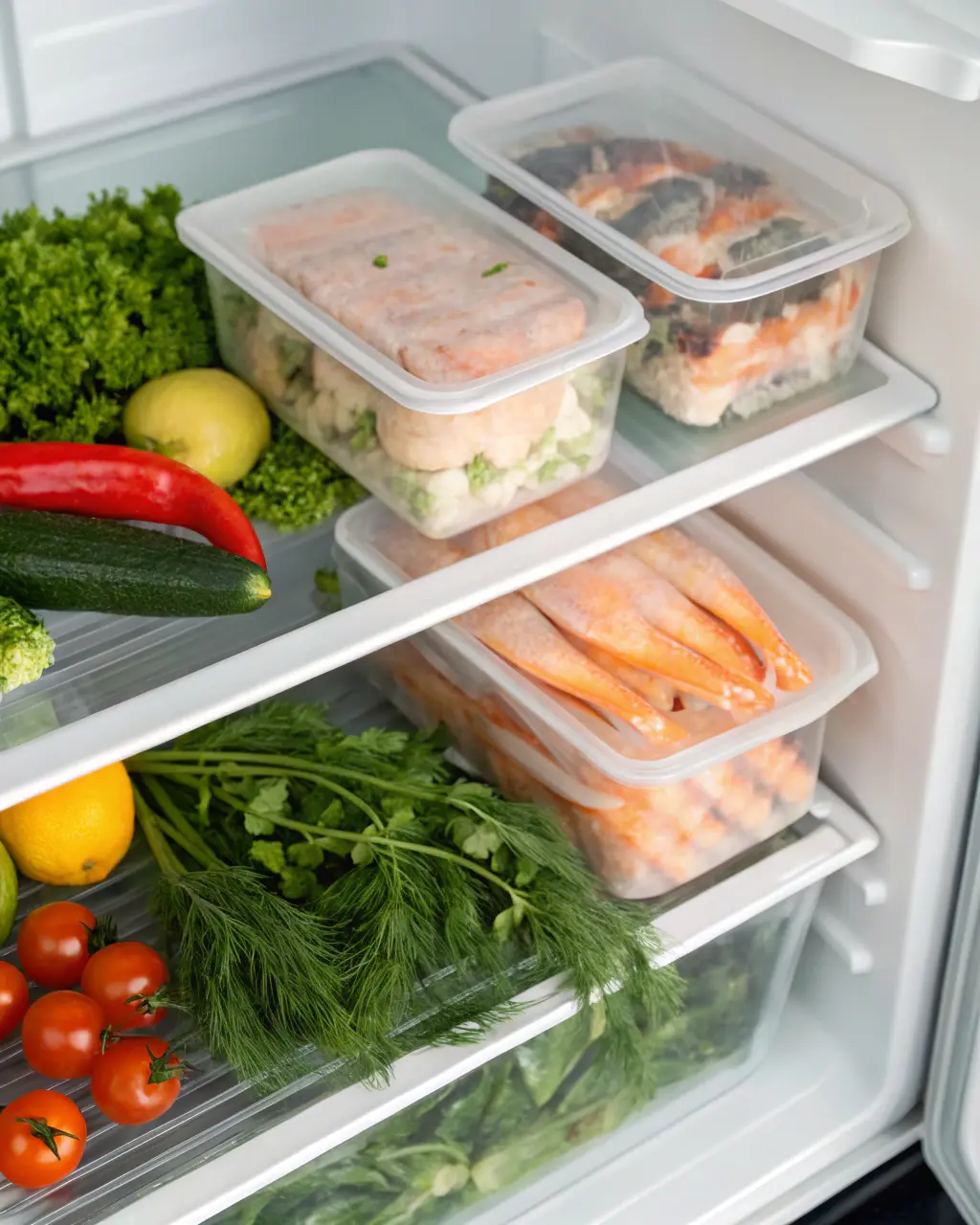
- Keep it cold: Store seafood in the coldest part of your refrigerator, ideally on a plate over a bed of crushed ice, topped loosely with foil or plastic wrap.
- Use airtight containers: If you won’t cook seafood within a day or two, transfer it to a sealed container to prevent odors spreading in the fridge.
- Freeze wisely: For freezing, wrap fish tightly in plastic wrap or foil, then place in freezer bags labeled with date to keep quality.
Planning Meals to Avoid Waste
Thoughtful meal planning helps stretch seafood servings and reduce waste:
- Cook only the portion you plan to eat, and turn leftovers into easy dishes like seafood salads, sandwiches, or pasta.
- Incorporate small pieces of cooked fish or shrimp into soups or stir-fries where they add flavor without needing large amounts.
- Use canned or frozen seafood varieties like tuna or salmon as a convenient alternative that stores longer and works well in many recipes.
Ready to Shop for Fresh Seafood?
- Start by choosing small portions that fit your immediate meal plans.
- Check for freshness with your senses: look, smell, and touch.
- Store seafood properly in your fridge or freezer to keep it at peak freshness.
- Plan easy, adaptable meals to enjoy your seafood fully without waste.
With these straightforward tips, buying fresh fish and shellfish can become a simple, enjoyable part of your grocery routine.