Simple, nourishing meals can be comforting and easy to make for one or two people. The 2026 Nutritional Pyramid focuses on real foods and gentle cooking. This short guide explains the pyramid in plain language, offers a simple plate formula, gives easy meal ideas, and shares a small grocery list plus smart storage tips to cut waste.
What the 2026 Nutritional Pyramid Really Means
The pyramid is a visual reminder of what to eat mostly, sometimes, and sparingly. The big change in 2026 is quality over strict calorie counting. It emphasizes whole, minimally processed foods and building meals around plants. That means vegetables, fruits, whole grains, beans, nuts, seeds, and modest amounts of lean or plant-based protein.
Think of the pyramid as guidance for everyday habits: focus on fresh or frozen produce, choose whole grains, add gentle sources of protein, use healthy fats sparingly, and limit ultra-processed foods, added sugars, and excess salt.
The Pyramid in Plain English: What to Eat More Often
Start with the base of the pyramid and work upward. The bottom layers are foods to eat most days; the top layers are foods to enjoy less often.
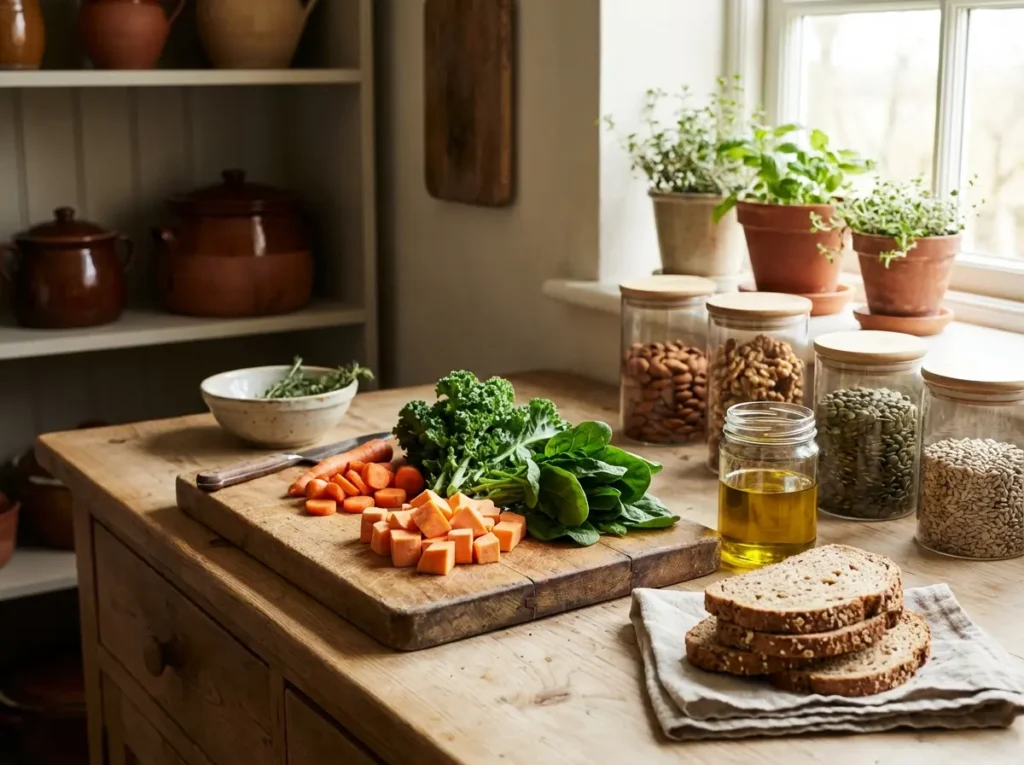
- Vegetables & fruits: Aim for a variety and color every day. Include cooked and soft options (steamed, roasted, stewed) for gentle textures.
- Whole grains & starchy vegetables: Choose oats, brown rice, quinoa, whole-grain bread, sweet potato. Prefer whole to refined grains.
- Legumes, nuts, seeds: Beans, lentils, chickpeas, tofu, nut butters—excellent plant proteins and fibers.
- Lean proteins: Fish, poultry, eggs, dairy or fortified plant milks, and small portions of cheese. Keep portions modest and cook gently (bake, poach, steam).
- Healthy fats: Olive oil, avocado, nuts, seeds. Use in moderation for flavor and satiety.
- Limit: Ultra-processed foods, sugary snacks and drinks, and very salty convenience items.
The Simple Plate Formula (Perfect for 1–2 People)
Use this quick formula when plating a meal. It keeps portions balanced and reduces decision fatigue.
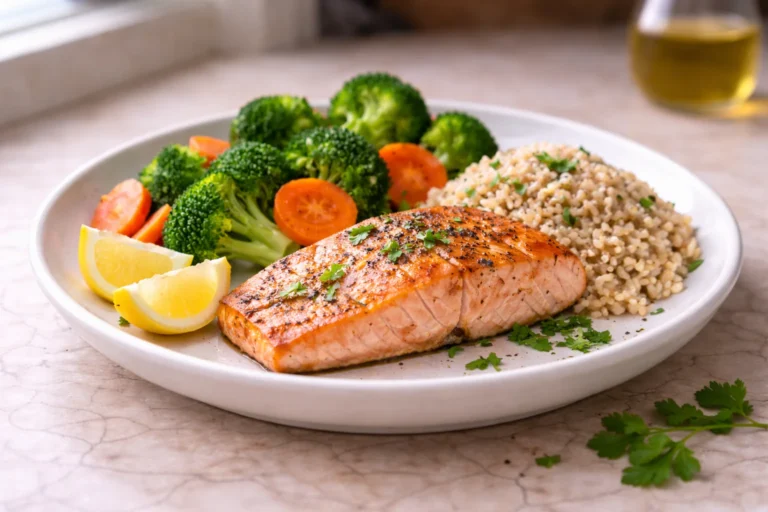
- Half the plate: vegetables and/or fruit. Include one cooked and one raw element when possible (e.g., steamed carrots + salad).
- One quarter: whole grain or starchy veg. Example: 1/2 cup cooked brown rice or one small sweet potato for one person.
- One quarter: lean or plant protein. Aim for about 3–4 oz cooked fish or poultry, or 1/2–3/4 cup cooked beans per person.
- Small spoon of healthy fat: 1 tsp olive oil, a few slices of avocado, or a tablespoon of chopped nuts or seeds.
- For one or two people: cook modest batches (1–2 portions) and freeze single portions to avoid waste.
Easy, Gentle Meal Ideas That Fit the Pyramid
Here are simple recipes and combinations that are soft, soothing, and easy to scale to one or two portions.
- Warm oatmeal bowl: 1/2 cup rolled oats cooked with milk or fortified plant milk, mashed banana, a spoonful of nut butter, and a sprinkle of seeds.
- Yogurt bowl: plain yogurt or dairy-free yogurt topped with stewed berries, soft chopped pear, and a tablespoon of chopped walnuts.
- Vegetable and white bean soup: simmer carrots, celery, soft tomatoes, and canned white beans in vegetable broth until tender. Puree part for a creamier texture.
- Sheet-pan salmon and soft veg: small salmon fillet with sliced sweet potato and zucchini. Drizzle olive oil, roast until flaky. Serve with lemon.
- Slow-cooker lentil stew: lentils, chopped tomatoes, diced carrots and potatoes, mild spices. Cook until very tender and serve with whole-grain toast.
- Quinoa bowl: cooked quinoa, roasted chickpeas, steamed spinach, avocado slices, and a drizzle of olive oil and lemon.
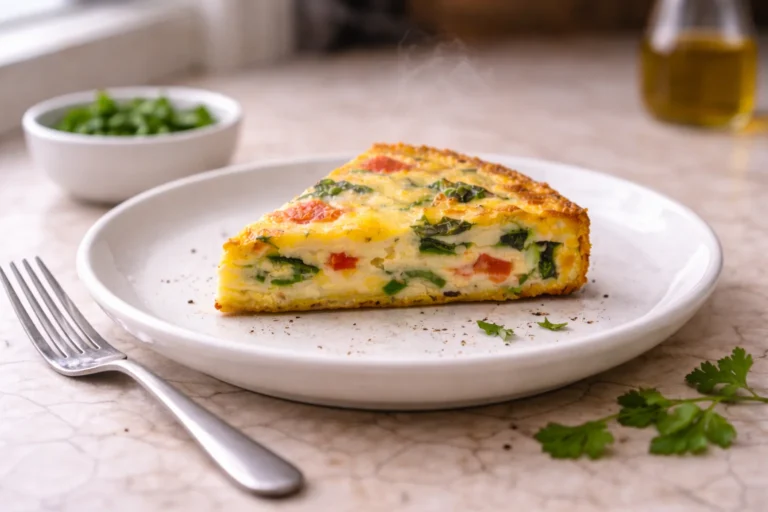
- Poached eggs over sautéed greens: gently wilt spinach in olive oil, top with a soft-poached egg and whole-grain muffin or toast.
- Mashed avocado on whole-grain toast with soft-cooked turkey slices or smoked trout (small portion) and sliced cucumber.
- Baked apples with cinnamon: core an apple, sprinkle with cinnamon and a few raisins, bake until soft. Serve warm with a spoonful of yogurt for a light dessert or snack.
A Small Grocery List Built on the Pyramid
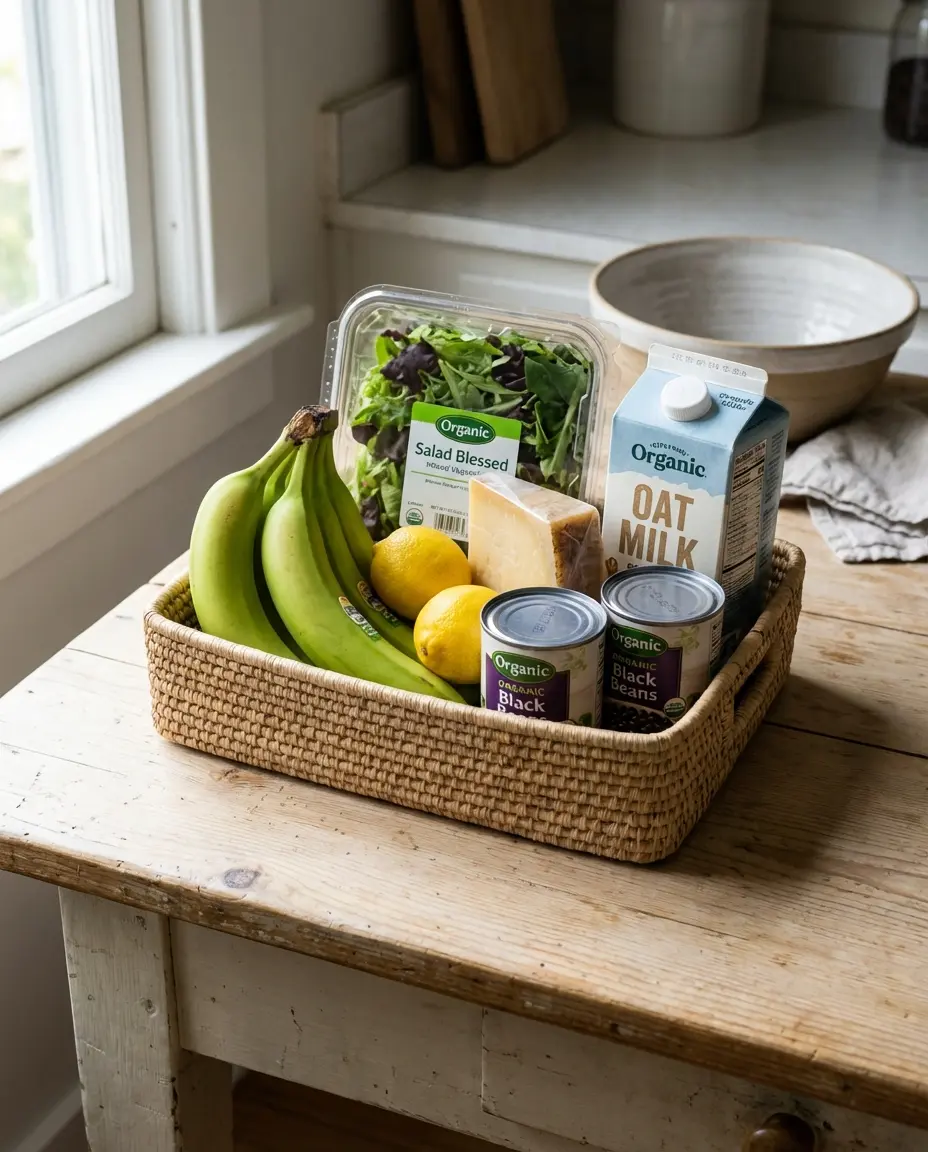
Buy for simple meals and small households: choose smaller packages, frozen produce, and canned beans to lower waste.
- Vegetables & fruits: bagged mixed greens, carrots, sweet potatoes, onions, garlic, frozen berries, bananas, lemons.
- Whole grains & starchy veg: rolled oats, brown rice or quinoa, whole-grain bread or English muffins, small potatoes.
- Proteins (lean & plant): canned beans (chickpeas, white beans), lentils, firm tofu, eggs, skin-on salmon or slender chicken breasts.
- Dairy & alternatives: plain yogurt, milk or fortified plant milk, small block of cheese or portioned slices.
- Healthy fats & flavor: extra-virgin olive oil, avocados, nuts and seeds, canned tomatoes, low-sodium vegetable broth, dried herbs and spices.
- Pantry basics: low-sodium canned beans, whole-grain crackers, jarred tomato sauce, vinegar, honey or maple syrup for small sweet needs.
Low-Waste Storage Tips (So Food Doesn’t Spoil)
Small changes in storage keep food fresh longer and make cooking for one or two less stressful.
- Buy frozen vegetables and fruit for long life and gentle textures when cooked.
- Portion and freeze single meals in clear containers or bags so you can thaw exactly one serving.
- Wrap leafy greens in a clean towel and store in a sealed container to absorb moisture and extend crispness.
- Use glass jars for leftovers so you can see contents and avoid mystery containers in the fridge.
- Turn leftovers into new meals: roasted veg → blended soup; cooked grains → breakfast porridge or grain bowl.
- Label containers with date and portion size so you know what to eat first.
- Keep strong-smelling foods sealed to protect delicate items and reduce cross-flavors.
Conclusion
- Focus meals on whole, minimally processed foods—vegetables, fruits, whole grains, beans, and modest lean proteins—using gentle cooking methods and small batches.
- Use the simple plate formula and the grocery and storage tips to make balanced, low-waste meals easy and enjoyable for one or two people.