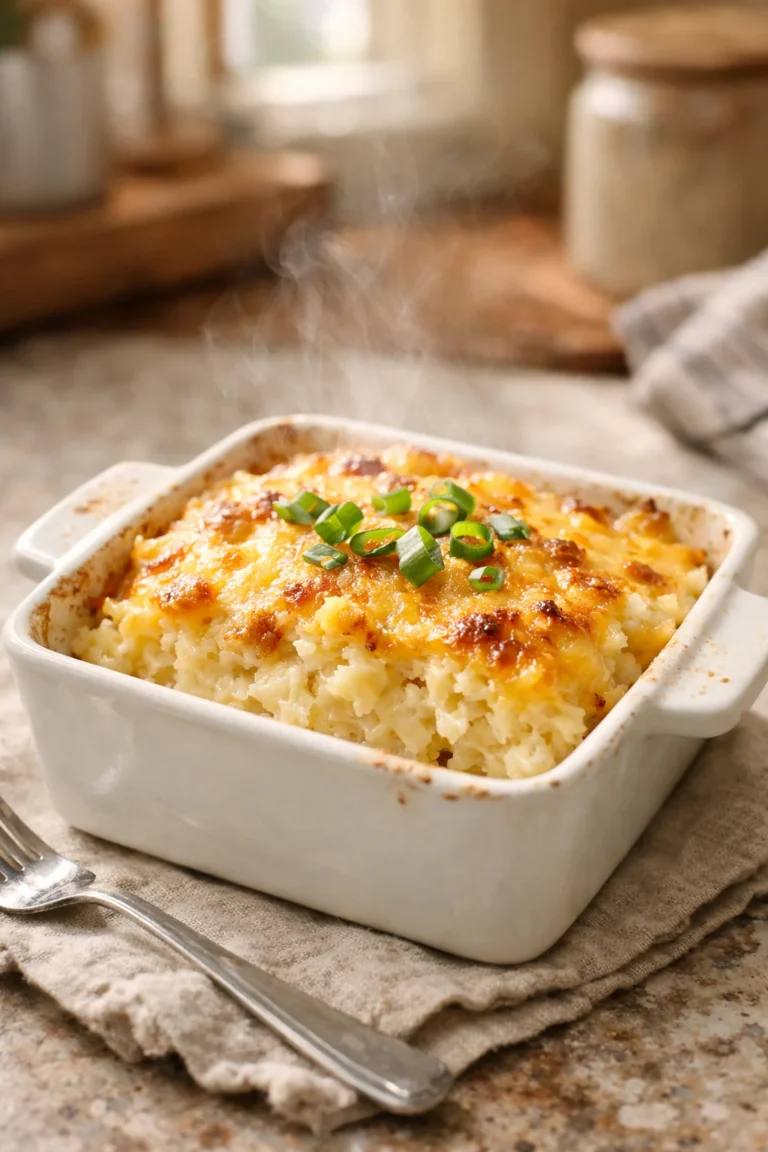
Vegetable-Forward Low Sodium Hashbrown Casserole
This low sodium hashbrown casserole keeps the comforts of the classic dish while easing digestion and boosting fiber with extra vegetables. It is mild, creamy, and built for 1-2 servings so you do not have big leftovers. The recipe is a lighter take on a favorite. The low sodium hashbrown casserole uses a blended cottage cheese base and low-sodium broth for creaminess without added salt.
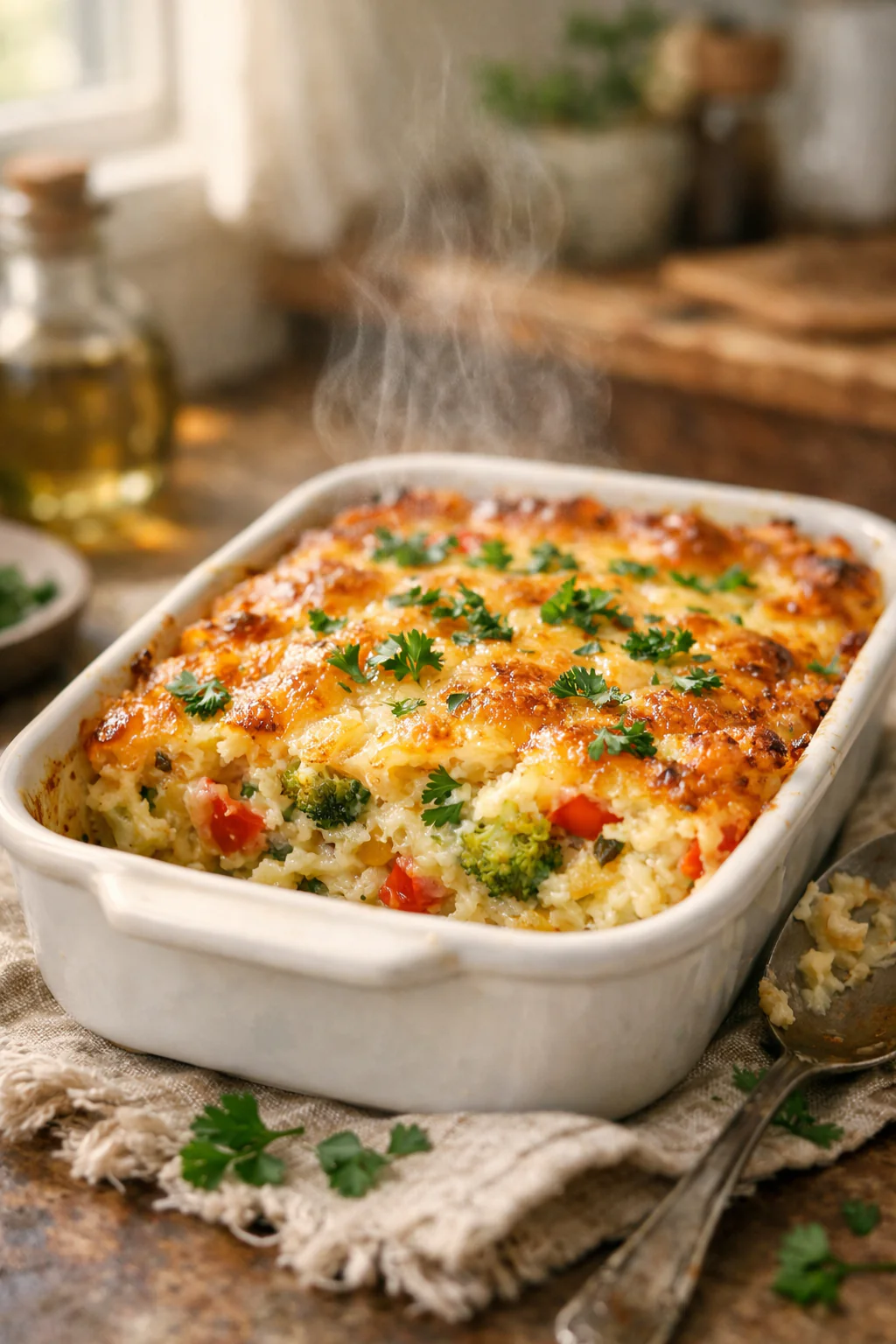
Cooking for one or two should be simple. This small-batch casserole cooks in a single small dish, so cleanup is quick and portions are just right.
The texture stays soft and easy to chew. You can change the vegetables to suit your digestion needs or what is in your fridge.
Ingredients You’ll Need
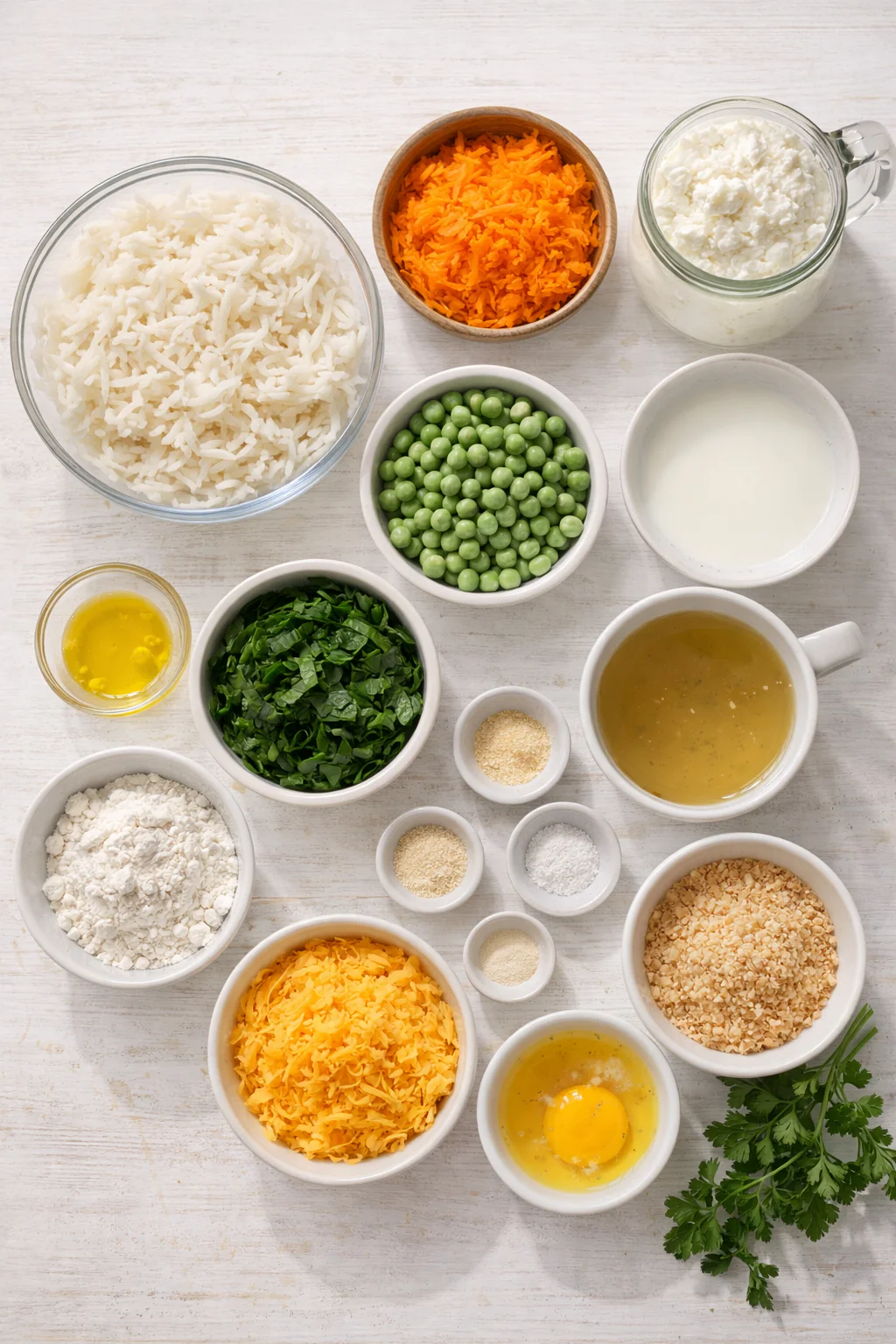
- 2 cups frozen shredded hashbrowns, thawed and patted dry (about 8 ounces)
- 1/3 cup grated carrot or 1/3 cup thawed peas plus 1/2 cup packed chopped spinach
- 1/3 cup blended low-sodium cottage cheese mixed with 1/4 cup low-fat milk and 2 tablespoons low-sodium vegetable broth
You can serve this casserole with a small piece of soft bread, mashed potatoes, or a gentle steamed vegetable if you like.
Step-by-Step Recipe
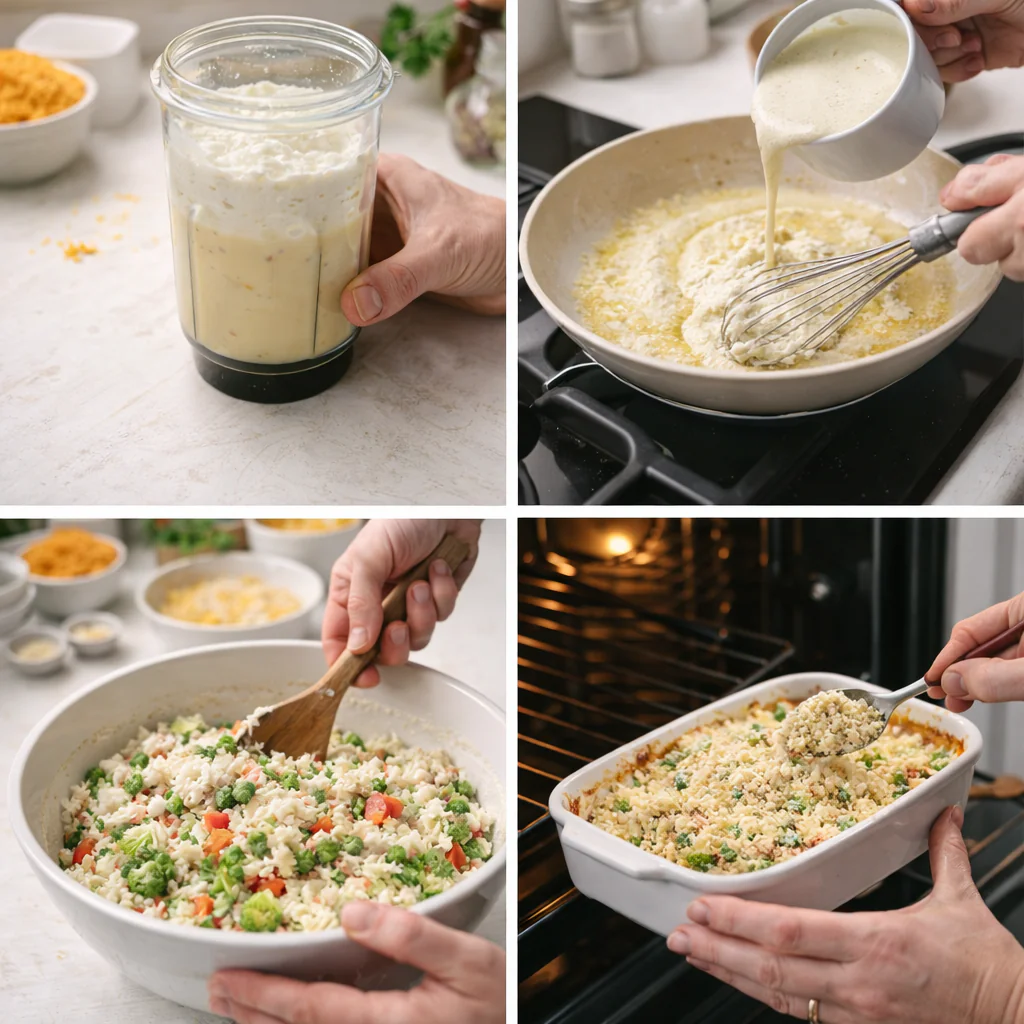
- Preheat the oven to 375 F (190 C) and lightly grease a small baking dish or two ramekins. In a blender combine the cottage cheese, milk, and low-sodium broth and blend until smooth.
- Make a light roux in a small skillet with butter or oil and flour, whisk in the blended mixture until slightly thickened, then remove from heat and stir in cheese or nutritional yeast, spices, and beaten egg if using. Combine the sauce with hashbrowns and vegetables until evenly coated.
- Spoon into the prepared dish, top with breadcrumbs or crushed crackers if desired, cover loosely with foil and bake 20 minutes, uncover and bake another 8 to 12 minutes until set and lightly golden. Let rest 5 minutes and garnish with parsley.
Tips and Easy Variations
Texture and digestion
- Steam or microwave vegetables first so they are very soft before mixing in
- Use extra milk and omit the egg to keep the dish softer and less dense
- Choose a mild cheese or use nutritional yeast to reduce salt and richness
Vegetable swaps and additions
- Try softened mushrooms, cooked bell pepper, or cooked sweet potato cubes
- Use grated carrot or peas for extra fiber and color
- Substitute steamed chopped zucchini for spinach if preferred
Speed and cooking methods
- Assemble in a microwave-safe dish and microwave covered for 6 to 8 minutes to save time
- Finish under a broiler for 1 to 2 minutes if you want a browned top
- Keep covered for a softer texture or uncover for a slightly crisp top
Salt and sodium tips
- Use low-sodium broth and low-sodium cottage cheese to keep sodium low
- If your doctor has advised a low salt diet, skip adding extra salt and pick a mild cheese or nutritional yeast
- Use salt-free breadcrumbs or crushed salt-free crackers for the topping
Storage and Leftovers
Fridge
Refrigerate leftovers in a covered container for up to 3 days.
Freezer
Freeze in an airtight container for up to 1 month and thaw overnight in the refrigerator before reheating.
Reheating
Reheat covered in the microwave in 30 to 60 second intervals until warm, or bake at 350 F (175 C) until heated through.
Conclusion
Give this low sodium hashbrown casserole a try when you want comfort food that is kinder on digestion and sized for one or two. It is simple to make and easy to adjust to your needs.
The casserole is gentle, creamy, and built to be flexible with vegetables and textures so you can make it as soft or as hearty as you like.
FAQ
Can I use fresh potatoes instead of frozen?▶
Yes. Peel and grate one medium potato, squeeze out excess moisture, and use it the same way. You may need an extra minute or two to cook.
What if I do not eat dairy?▶
Use unsweetened plant milk and replace blended cottage cheese with silken tofu or a dairy-free yogurt blended smooth for a gentle dairy-free option.