The traditional nutritional pyramid shaped grocery lists and weekday cooking for decades. It offered a clear visual: eat more of the foods at the bottom, less of those at the top. For practical shopping and quick meal ideas that work for small households, see simple meal ideas for one or two.
What the traditional pyramid looked like
The classic pyramid put grains at the wide base. Above that sat fruits and vegetables (often shown side-by-side). The next tiers held dairy and protein foods like meat, poultry, fish, eggs, and legumes. At the very top were fats, oils, and sweets — shown as foods to use sparingly. The image was straightforward and easy to remember: more of the bottom, less of the top.
How that shape influenced everyday cooking
That simple hierarchy nudged cooks toward starch-forward plates and predictable shopping lists. Meals commonly featured a large serving of bread, rice, pasta, or potatoes, paired with a smaller portion of vegetables and a modest piece of meat or dairy. It also encouraged low-fat choices and packaged low-fat products. Those habits had helpful points and clear limits.
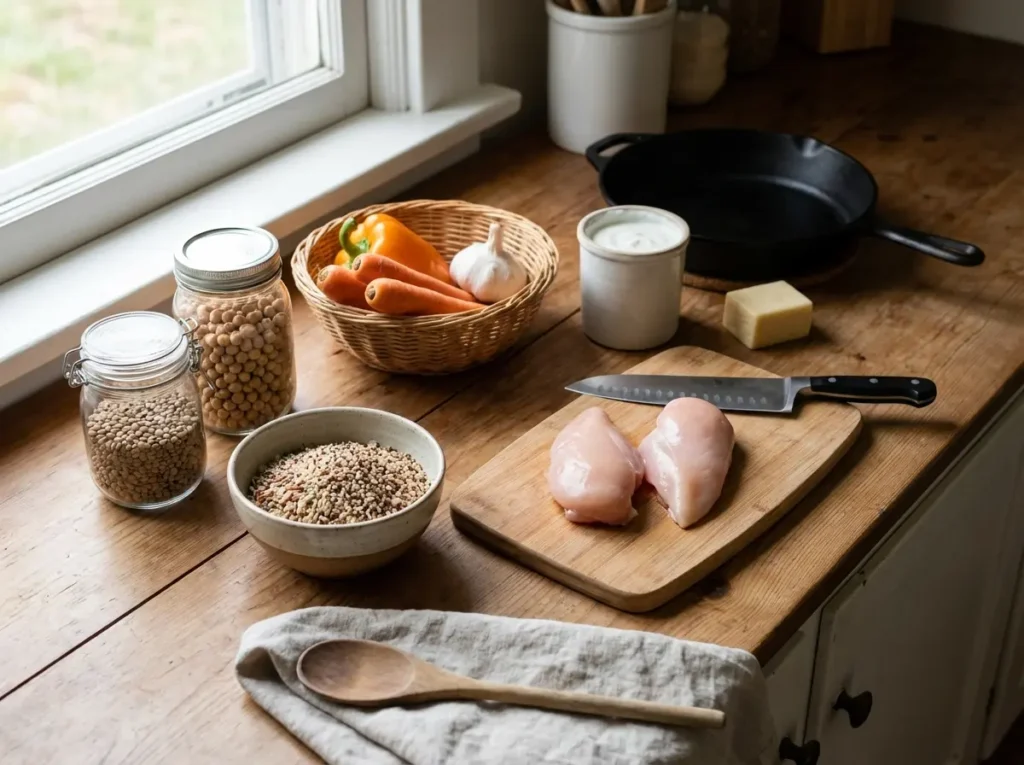
- Typical meals from the pyramid era: grilled chicken breast with mashed potatoes and a small vegetable side; a bowl of cereal with milk and toast for breakfast; pasta with tomato sauce and grated cheese plus a small salad; turkey sandwich with a side of chips and fruit.
- Strengths: The pyramid offered an easy rule-of-thumb. It promoted regular grain-based energy, routine servings of dairy and protein, and a simple visual for portion thinking.
- Limitations: The model treated all carbs and fats the same. That encouraged more refined grains and some low-fat processed foods, and often left vegetables and plant-based proteins as afterthoughts. It also didn’t guide small-quantity shopping or ways to avoid waste when cooking for one or two.
- Practical result: shoppers often bought larger packs of staples and smaller amounts of fresh produce. For tips on buying and storing produce in small quantities, try strategies focused on fewer items and smarter storage like those in this guide to buying and storing produce in small quantities.
What to keep in your kitchen routine
- Use the pyramid’s clarity: keep staple grains and proteins on hand for simple meals, but balance plates by making vegetables the largest prepared portion when possible.
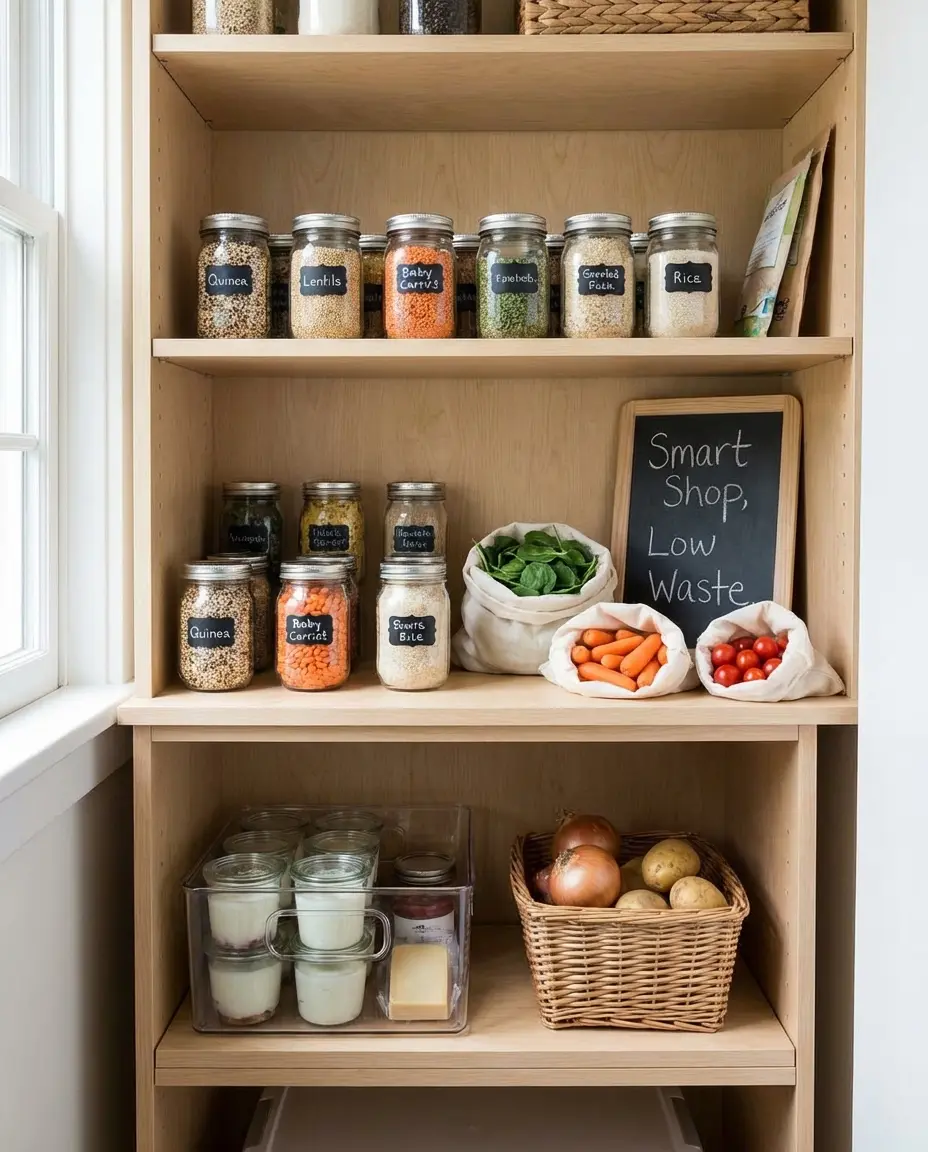
- Build a compact pantry that supports flexible meals and reduces waste. For ideas on stocking a small pantry that makes weeknight cooking easier, see tips about building a small pantry.