What changed in the 2026 Nutritional Pyramid?
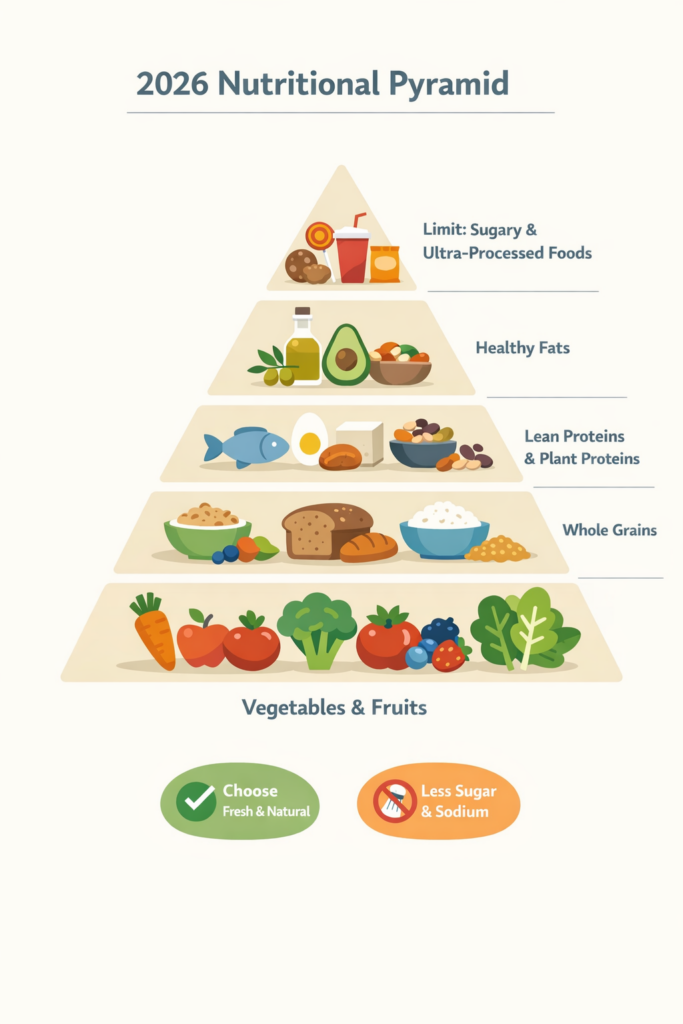
The Pyramid emphasizes a plant-forward pattern where vegetables and fruits are the largest group on the plate. It shifts away from highly processed foods and added sugars, and encourages whole grains, a balance of lean animal and plant proteins, and healthy fats like olive oil, nuts, seeds, and avocado. The focus is on real ingredients you can buy, store, and cook simply for one or two people.
Start with vegetables and fruit — make them easy and available
Vegetables and fruit should be the most visible and convenient items in your kitchen. When they’re easy to grab, you’ll use them at every meal.
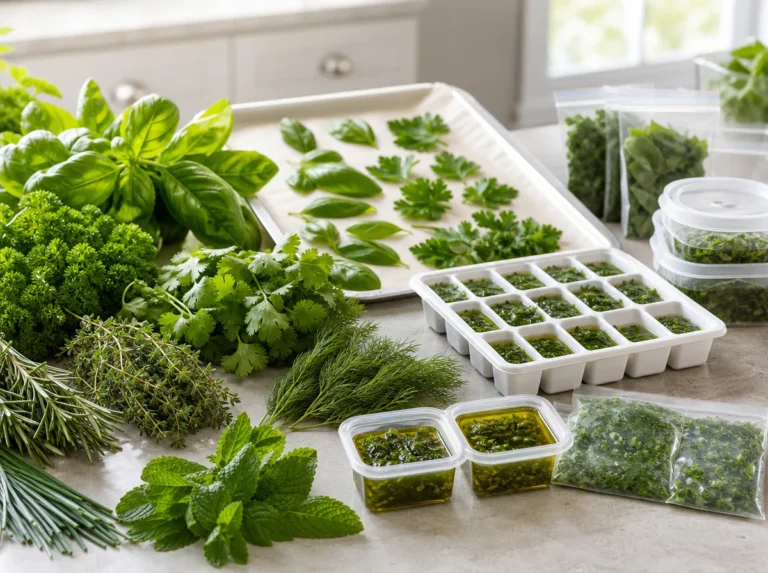
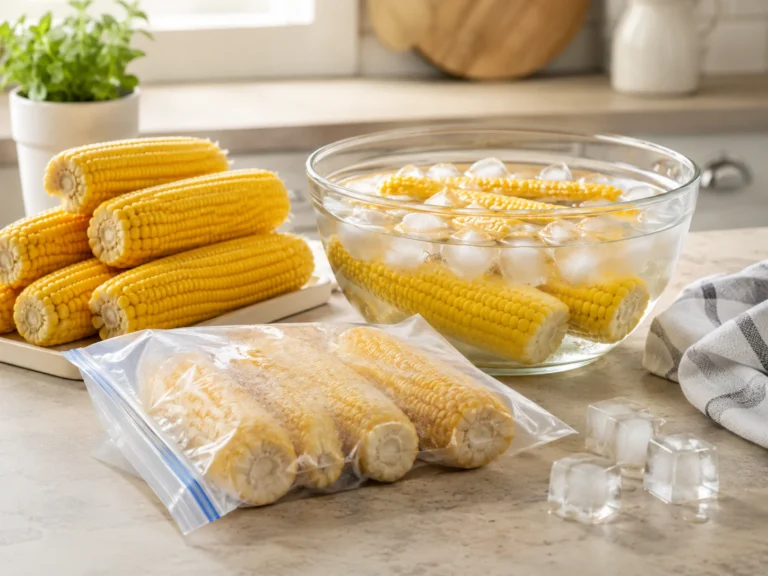
- Buy a mix of fresh and frozen: fresh for salads and quick cooking, frozen for soups, stews, and stir-fries. Frozen keeps well and you can use exactly what you need.
- Prep once, eat twice: wash and chop a few vegetables after shopping. Store prepped produce in clear containers so you actually use it.
- Keep ready-to-eat options: a bagged salad, cherry tomatoes, washed berries, or pre-cut carrots make snacking and quick meals simple.
- Use gentle cooking methods: roast a tray of mixed vegetables, steam, or stir-fry with a little olive oil and herbs — one tray or pan is minimal cleanup.
Choose whole grains and manage portions
Whole grains add fiber and lasting energy. For small households, buy small packages, cook small batches, or portion and freeze to avoid waste.
- Good choices: brown rice, quinoa, oats, barley, whole-grain bread, and whole-grain pasta.
- Batch once, use twice: cook one cup of dry grain and divide into two or three meals; freeze extra portions in single-serve containers.
- Quick options: instant oats, pre-cooked brown rice pouches, or quick-cooking quinoa for fast meals without leftovers.
Include lean and plant-based proteins regularly
Balance animal and plant proteins for variety and easy meal planning. Keep small portions and multipurpose ingredients on hand.
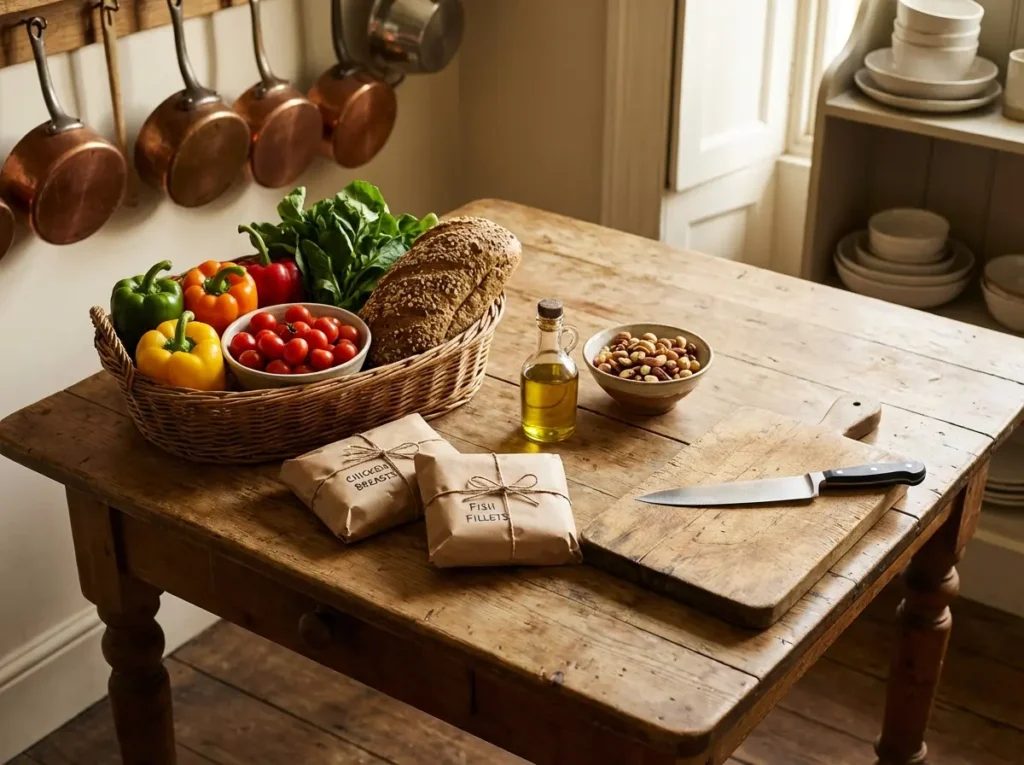
- Lean animal proteins: skinless chicken, turkey, fish, and eggs. Buy small portions or individually wrapped items to reduce waste.
- Plant proteins: canned or dried beans, lentils, tofu, tempeh, and edamame. Canned beans are quick — rinse to reduce sodium.
- Cook once, use twice: grill or roast a chicken breast for a salad one day and a grain bowl the next.
- Convenience tip: keep a few cans of low-sodium beans, a bag of frozen fish fillets, and a carton of eggs for fast, nutritious meals.
Use healthy fats thoughtfully
Fats are important for flavor and nutrient absorption, but they’re calorie-dense. Choose quality fats and use small amounts for big impact.
- Keep a small bottle of extra-virgin olive oil for cooking and dressings.
- Add nuts and seeds to salads or yogurt for crunch and healthy fats — store them in the fridge to stay fresh longer.
- Use avocado as a spread or topping for sandwiches and bowls instead of heavy sauces.
Limit ultra-processed foods, added sugars, and excess sodium
Packaged meals and snacks can be convenient, but they often contain extra salt, sugar, and additives. Small changes add up.
- Read labels: look for short ingredient lists and recognizable words. Avoid items where sugars or sodium are among the first ingredients.
- Flavor without salt: use citrus, fresh herbs, garlic, pepper, and small amounts of parmesan or a nut-based pesto to boost taste.
- Swap sweetened yogurt for plain yogurt and add fresh fruit and a sprinkle of nuts or cinnamon for sweetness.
Simple weekly grocery list and easy meal ideas for one or two
Here’s a compact shopping list and some low-waste meal ideas that follow the Pyramid’s principles.
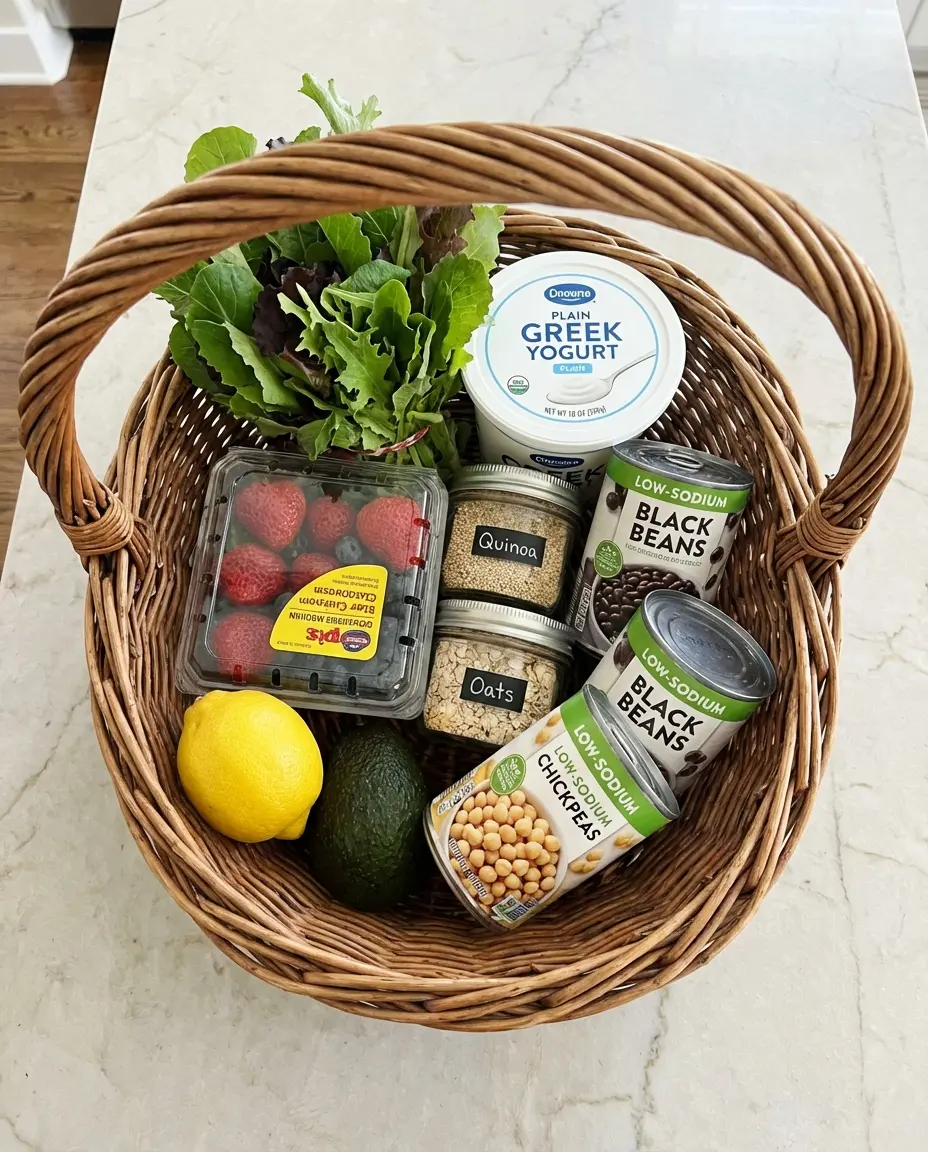
- Shopping list (small quantities): mixed salad greens, 2–3 seasonal vegetables, frozen mixed vegetables, 1 pint berries, 1 lemon, 1 small avocado, 1 cup quinoa or brown rice, 2 cans low-sodium beans, 2 fish fillets or a small pack chicken breasts, 6 eggs, plain yogurt, olive oil, nuts or seeds, whole-grain bread or oats.
- Meal ideas:
- Breakfast: overnight oats with banana and a spoonful of chopped walnuts.
- Lunch: salad bowl with mixed greens, roasted vegetables, chickpeas, a slice of whole-grain bread, and olive oil-lemon dressing.
- Dinner: sheet-pan fish or chicken with broccoli and sweet potato; serve with quinoa.
- Quick soup: lentils, canned tomatoes, chopped carrots and spinach — simmer and season with herbs.
- Leftover-friendly bowl: warmed grains topped with sautéed greens, beans, a fried egg, and a drizzle of tahini.
- Snack/dessert: plain yogurt with frozen berries (thawed) and a sprinkle of seeds.
Ready-made habits for better, low-waste meals
Following the 2026 Nutritional Pyramid doesn’t require complicated recipes. It’s about small, consistent changes: make vegetables the star, choose whole grains, add lean and plant proteins, and favor healthy fats while cutting ultra-processed foods.
- Fill half your plate with vegetables or fruit at each meal — use fresh and frozen to keep waste low.
- Swap one refined grain for a whole grain this week (oats, quinoa, or whole-grain bread).
- Keep three staple proteins on hand (eggs, a can of beans, and a small package of fish or chicken) to make quick meals.
- Use small portions of olive oil and a jar of mixed nuts or seeds to add flavor, calories, and satisfaction.