What the 2026 Nutritional Pyramid means in everyday terms
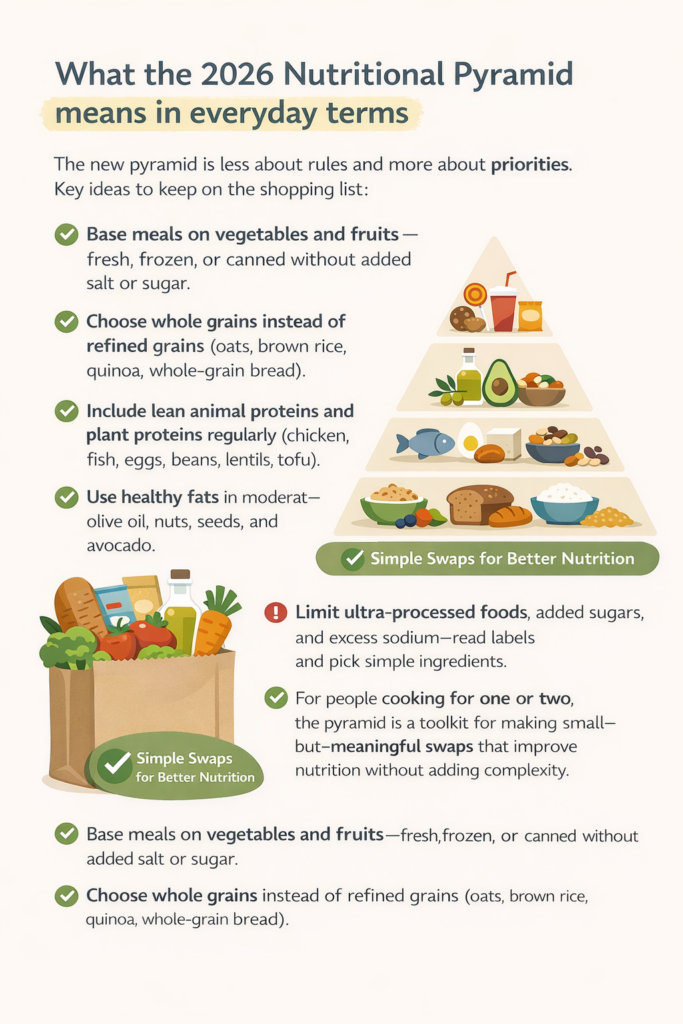
The new pyramid is less about rules and more about priorities. Key ideas to keep on the shopping list:
- Base meals on vegetables and fruits—fresh, frozen, or canned without added salt or sugar.
- Choose whole grains instead of refined grains (oats, brown rice, quinoa, whole-grain bread).
- Include lean animal proteins and plant proteins regularly (chicken, fish, eggs, beans, lentils, tofu).
- Use healthy fats in moderation—olive oil, nuts, seeds, and avocado.
- Limit ultra-processed foods, added sugars, and excess sodium—read labels and pick simple ingredients.
For people cooking for one or two, the pyramid is a toolkit for making small-but-meaningful swaps that improve nutrition without adding complexity.
Shopping smart for 1–2 people: prioritize and portion
Shopping with the pyramid in mind means choosing versatile items and sensible quantities. Here are practical tips to reduce waste and keep meals interesting.
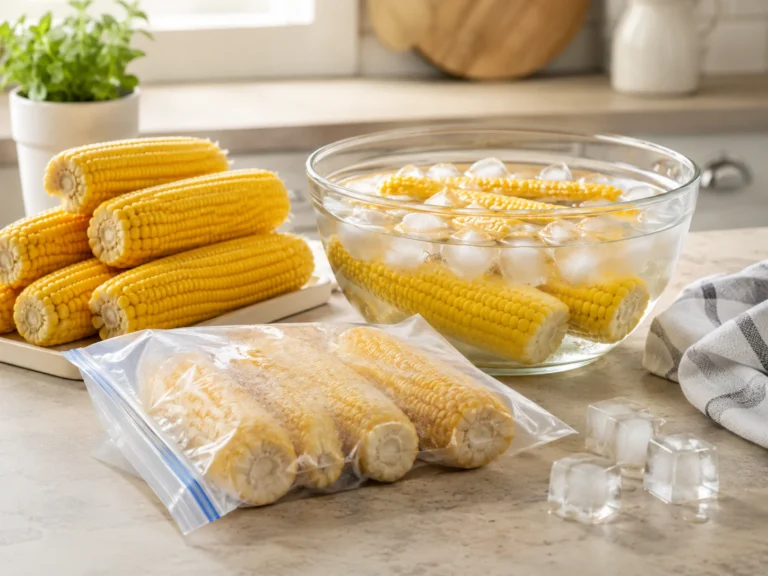
- Buy a mix of fresh and frozen produce: fresh for immediate meals, frozen for later. Frozen veggies are picked at peak ripeness and keep well.
- Choose small packages or single-serve options when you don’t want leftovers. For whole grains, buy small bags or transfer from bulk into jars to keep fresh.
- Pick 3–4 vegetables and 2–3 fruits you enjoy each week. Rotate them so nothing spoils.
- Lean proteins in small portions: single chicken breasts, a couple of fish fillets, a tub of tofu, or cans of low-sodium beans. Canned or cooked beans freeze well in portioned bags.
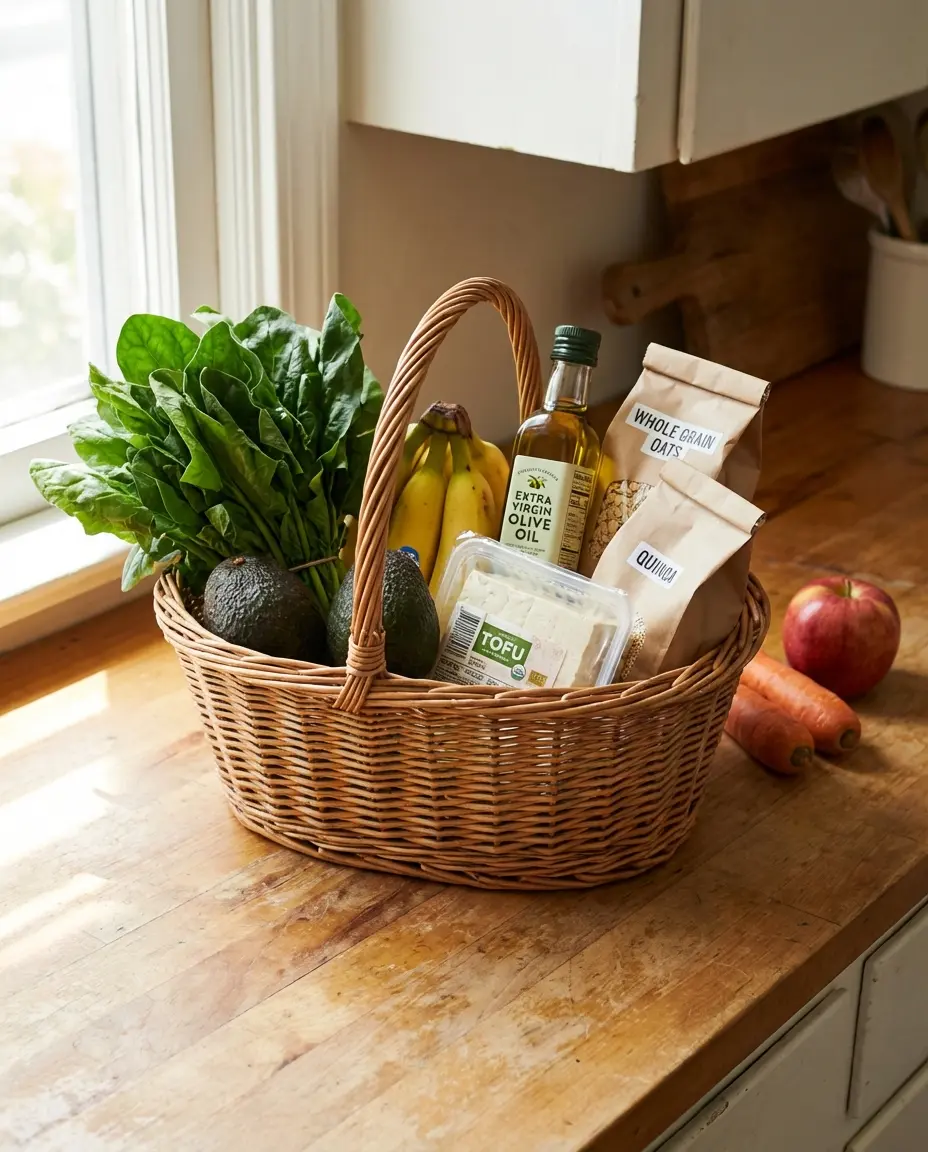
- Keep a small selection of healthy fats: a bottle of extra-virgin olive oil, a small jar of mixed nuts, and an avocado or two.
- Avoid buying many ultra-processed convenience meals. Instead, choose few ready-to-eat staples (plain Greek yogurt, canned tomatoes) that can be transformed into several dishes.
Simple meal templates that follow the pyramid
Use these easy frameworks to assemble balanced meals quickly. Each template is built to serve one or two people and to be flexible with what you have on hand.
- Veggie-forward bowl: roasted or sautéed vegetables + a whole grain (quinoa, brown rice) + protein (chickpeas, baked fish) + a drizzle of olive oil and lemon.
- Hearty soup: sauté aromatics, add chopped vegetables, a grain (barley or farro) or lentils, cover with low-sodium broth, simmer until tender. Makes 2–3 portions; freeze extras.
- Sheet-pan meal: toss vegetables and a protein (chicken breast or tofu) with olive oil and herbs; roast until browned. Minimal cleanup and easy leftovers.
- Quick grain salad: cooked whole grain + chopped vegetables + beans + a simple vinaigrette. Serve warm or chilled and keeps for several days.
- Egg-based dinner: omelet or frittata with vegetables and a sprinkle of cheese; quick, nutritious, and good for using odds-and-ends produce.
These templates allow you to swap ingredients based on season, taste, and what’s on sale.
Storage and low-waste tips that save time and money
Small households benefit from habits that extend freshness and reduce leftovers that go uneaten.
- Prep once, eat twice: roast a tray of vegetables and use them for dinner, then in a grain bowl the next day.
- Portion and freeze: divide cooked beans, grains, or soups into single portions in freezer-safe containers so you can pull out only what you need.
- Buy partly prepared when it helps: pre-washed salad greens or pre-cut vegetables cost more but reduce prep time and food waste if they make you cook at home more often.
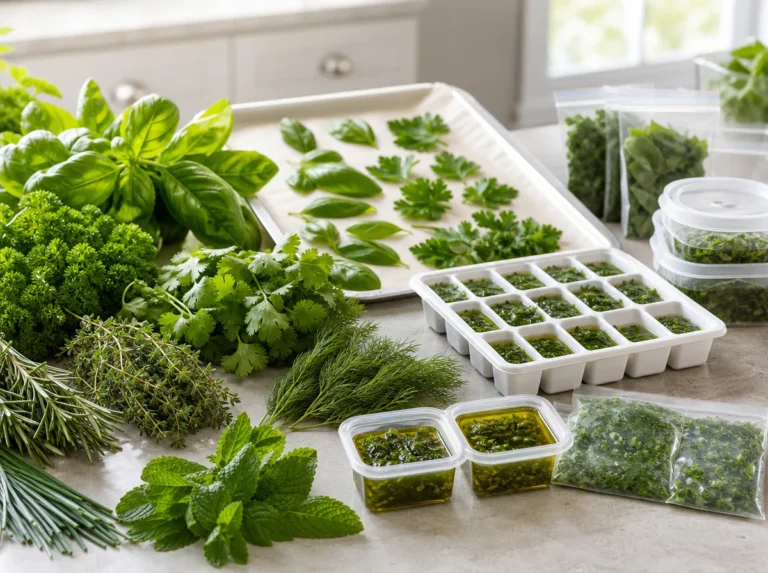
- Store herbs wrapped in a damp paper towel inside a container to last longer, or freeze chopped herbs in ice cube trays with a little oil.
- Use the whole vegetable: save carrot tops, onion skins, and celery ends in the freezer to make a small batch of vegetable broth.
- Keep pantry staples on hand (canned tomatoes, low-sodium beans, dried lentils, whole grains) for quick meals without a grocery run.
Flavor without extra salt or sugar
Maximize taste with simple seasonings instead of relying on processed sauces or added sugar.
- Fresh herbs, citrus zest, and a squeeze of lemon brighten dishes.
- Vinegars (sherry-free options like apple cider or balsamic) and mustard add tang and depth.
- Garlic, ginger, smoked paprika, and cumin give character without salt.
- Use a small amount of toasted nuts or seeds for crunch and richness in salads and bowls.
- Check labels: choose no-added-sugar yogurt and low-sodium canned goods when possible.
A simple two-week shopping list and quick dinner ideas
Here’s a compact list and a few dinner ideas that use the same ingredients in different ways to avoid waste.
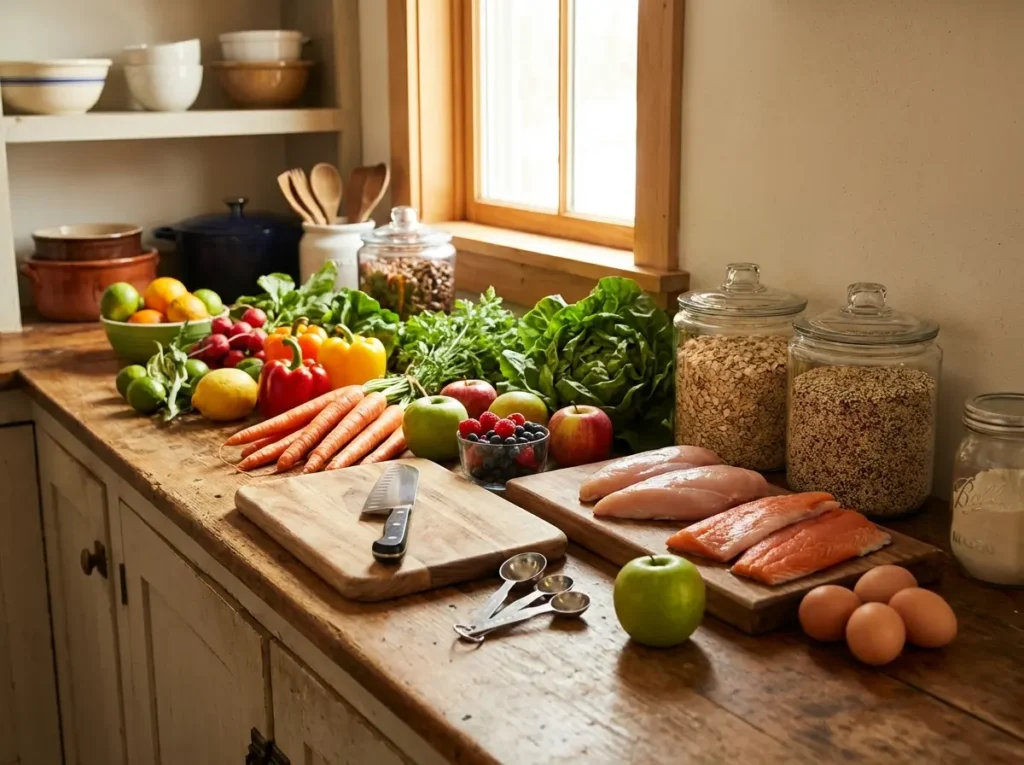
- Shopping basics: mixed salad greens, spinach, carrots, broccoli florets, bell peppers, onions, tomatoes, lemons, frozen peas/green beans, apples, bananas
- Whole grains & pantry: oats, brown rice or quinoa, whole-grain bread, canned low-sodium tomatoes, canned low-sodium beans, vegetable or chicken broth
- Proteins & fats: 2–3 chicken breasts or fish fillets, a block of tofu, 6 eggs, small tub plain Greek yogurt, olive oil, a small bag of mixed nuts
- Flavor: garlic, dried herbs (oregano, thyme), black pepper, mustard, vinegar
Easy dinner ideas (mix and match):
- Roasted salmon + roasted broccoli + quinoa
- Grain salad with brown rice, black beans, peppers, cilantro, and lemon vinaigrette
- Vegetable and lentil soup with whole-grain toast
- Stir-fry with tofu, frozen peas, carrots, and brown rice
- Omelet with spinach, tomato, and a side salad
Start small: easy steps to use the pyramid today
- Make one swap this week: choose a whole-grain bread or brown rice instead of refined white bread or rice.
- Pick three vegetables you like and buy them fresh or frozen; build at least one meal per day around them.
- Cook once for two meals: double a simple soup or roast a tray of vegetables and use leftovers for a grain bowl the next day.
- Reduce processed foods gradually: replace one sweetened snack with a piece of fruit or a small handful of nuts.
Following the 2026 Nutritional Pyramid doesn’t require perfection. Focus on real foods, gentle routines, and small changes that make home cooking easier and more nourishing for one or two people.