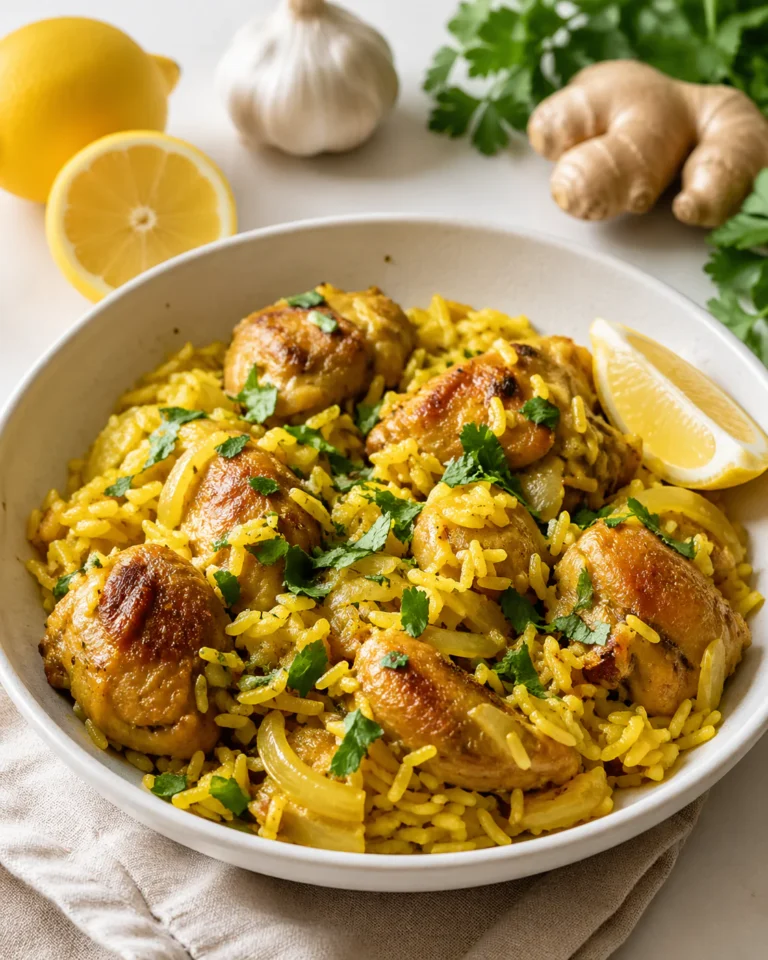
Turmeric Chicken and Rice
A warm one pan chicken and rice dinner with turmeric, ginger, and lemon. Simple, cozy, and ready in about 30 minutes.

Eating to fight inflammation doesn't have to mean giving up the meals you love. Chicken is a lean, versatile base that pairs beautifully with anti-inflammatory ingredients like turmeric, ginger, garlic, leafy greens, and olive oil — so you can build dinners that are as nourishing as they are delicious. Whether you're managing a health condition, recovering from a tough workout, or simply want to eat cleaner, these recipes make it easy. Browse our growing collection of anti-inflammatory chicken dinners below.
A warm one pan chicken and rice dinner with turmeric, ginger, and lemon. Simple, cozy, and ready in about 30 minutes.
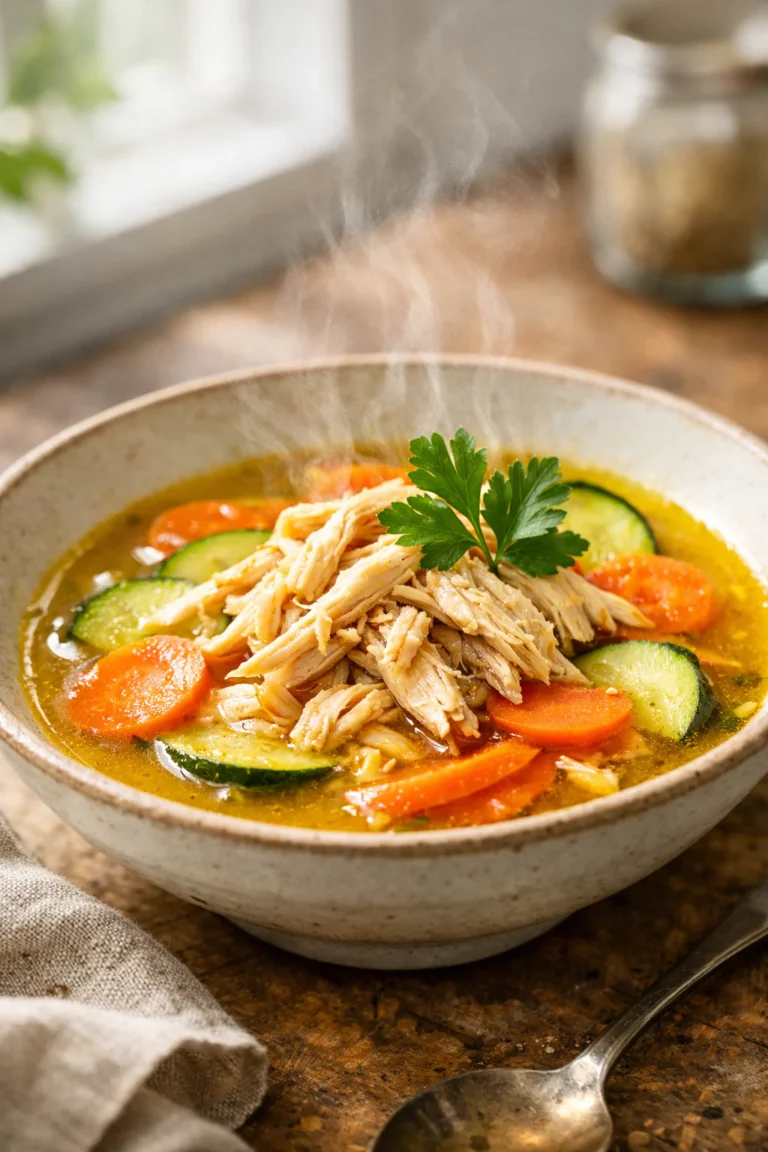
Gentle slow cooker chicken for 1 to 2 servings with low sodium broth, turmeric and ginger for an easy to digest, tender dinner.
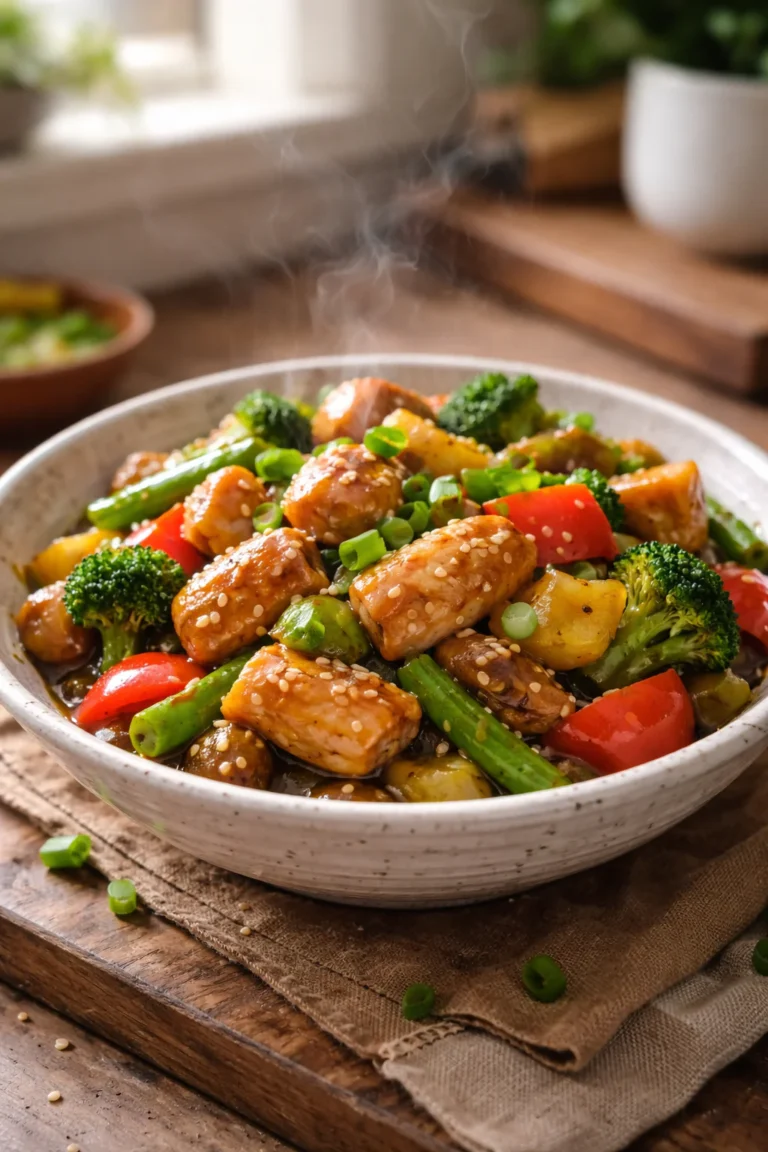
Quick one-pan anti inflammatory chicken stir fry with turmeric and ginger, gentle on digestion and perfect as a small batch dinner for one to two.
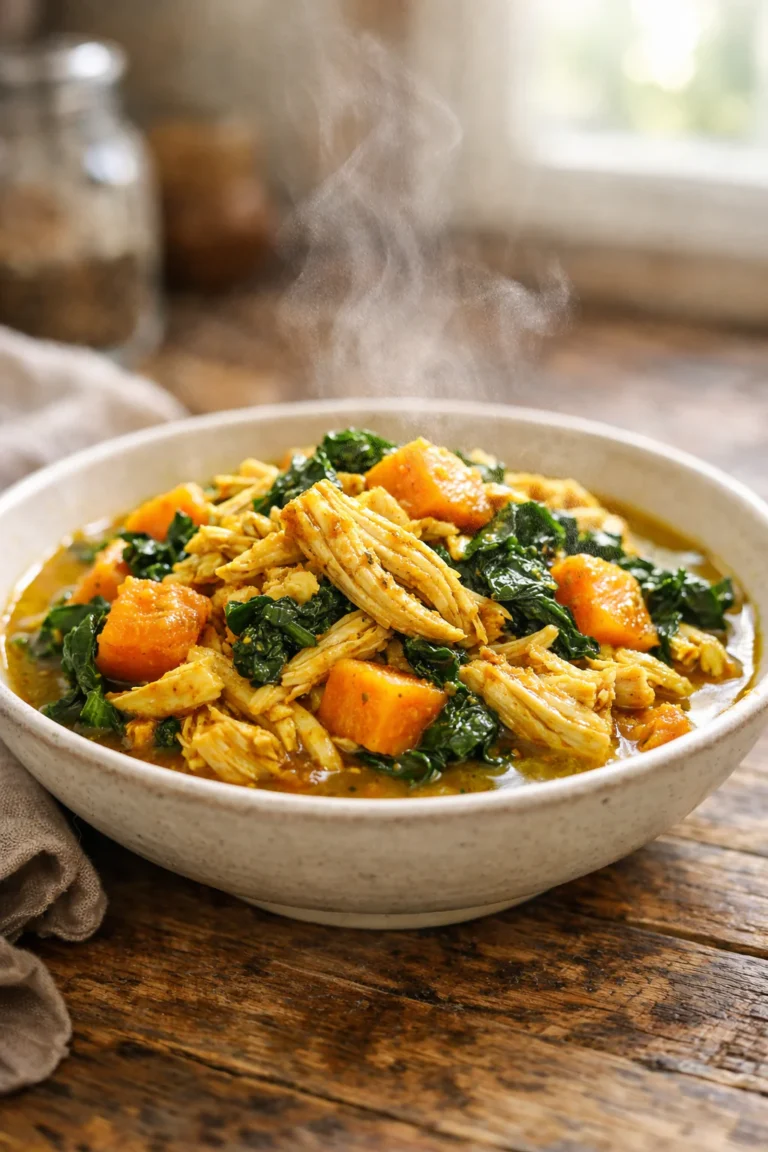
Set and forget slow cooker chicken with turmeric, ginger, sweet potato and kale. Small batch, gentle flavors for 1 to 2 servings.
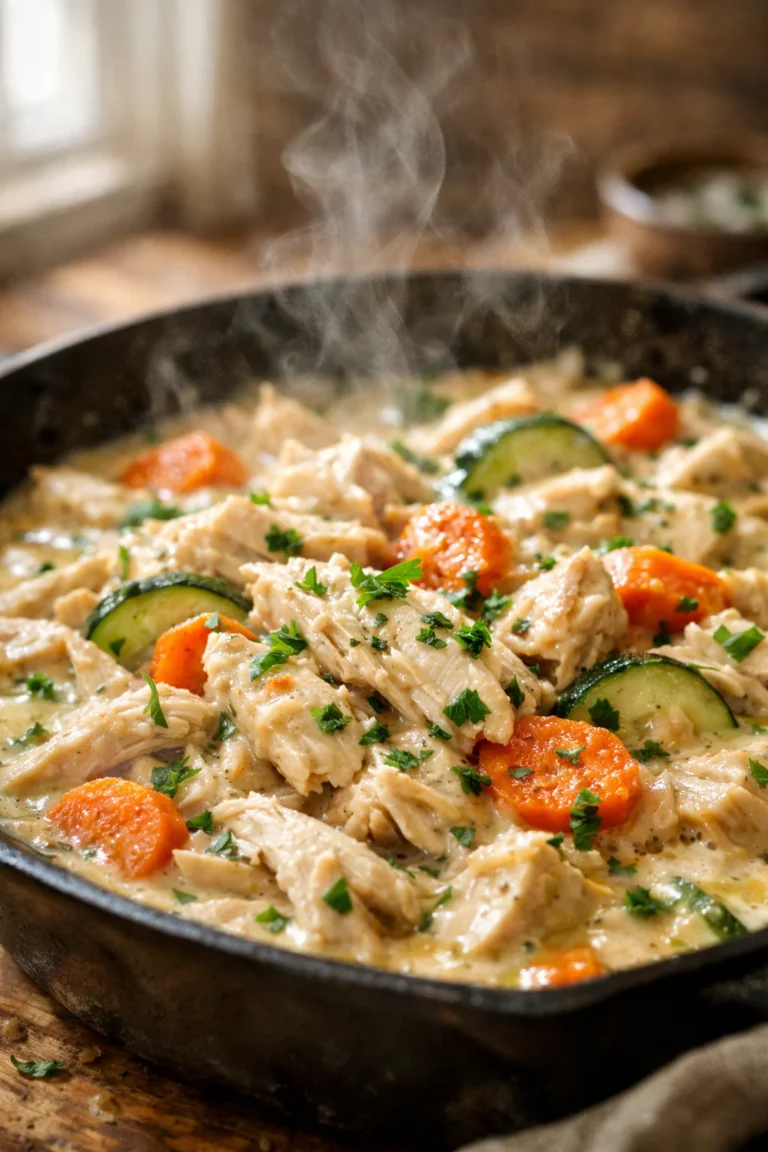
A small-batch, one-pan chicken skillet made with low sodium broth and anti inflammatory spices for a tender, easy to chew dinner for one or two.
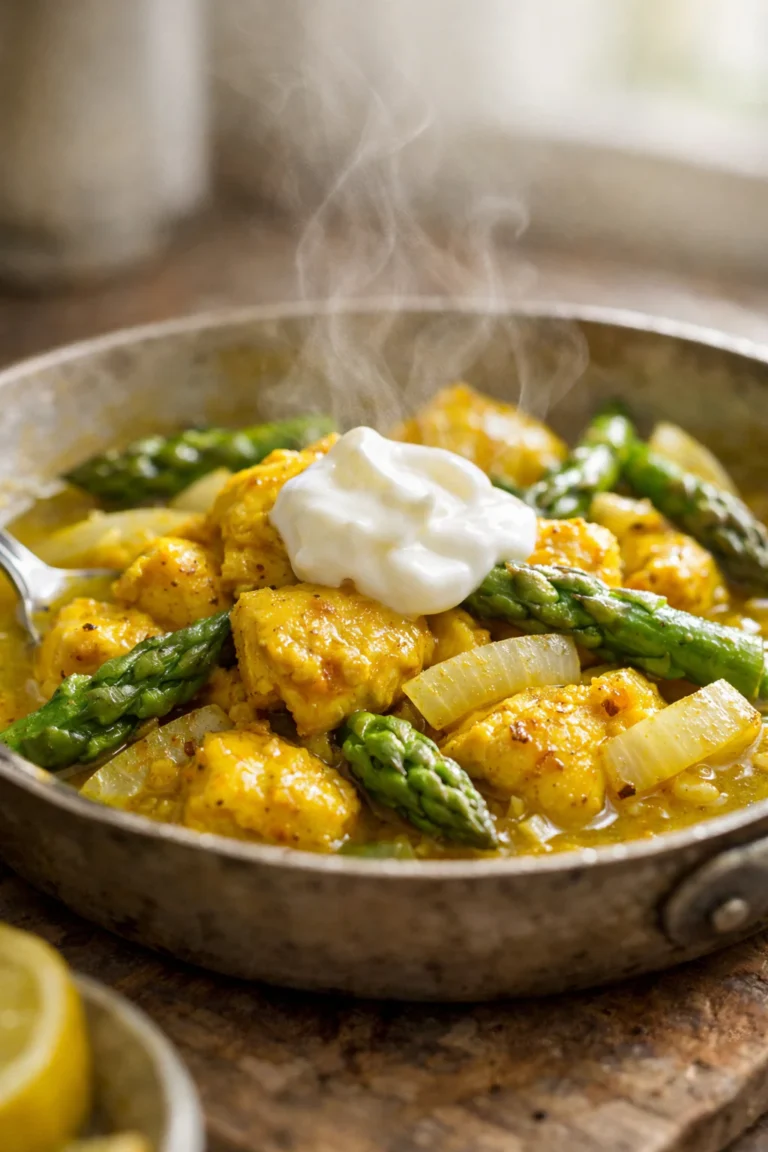
Bright one-skillet turmeric chicken with asparagus and sweet onion, ready in about 25 minutes for 1 to 2 servings.
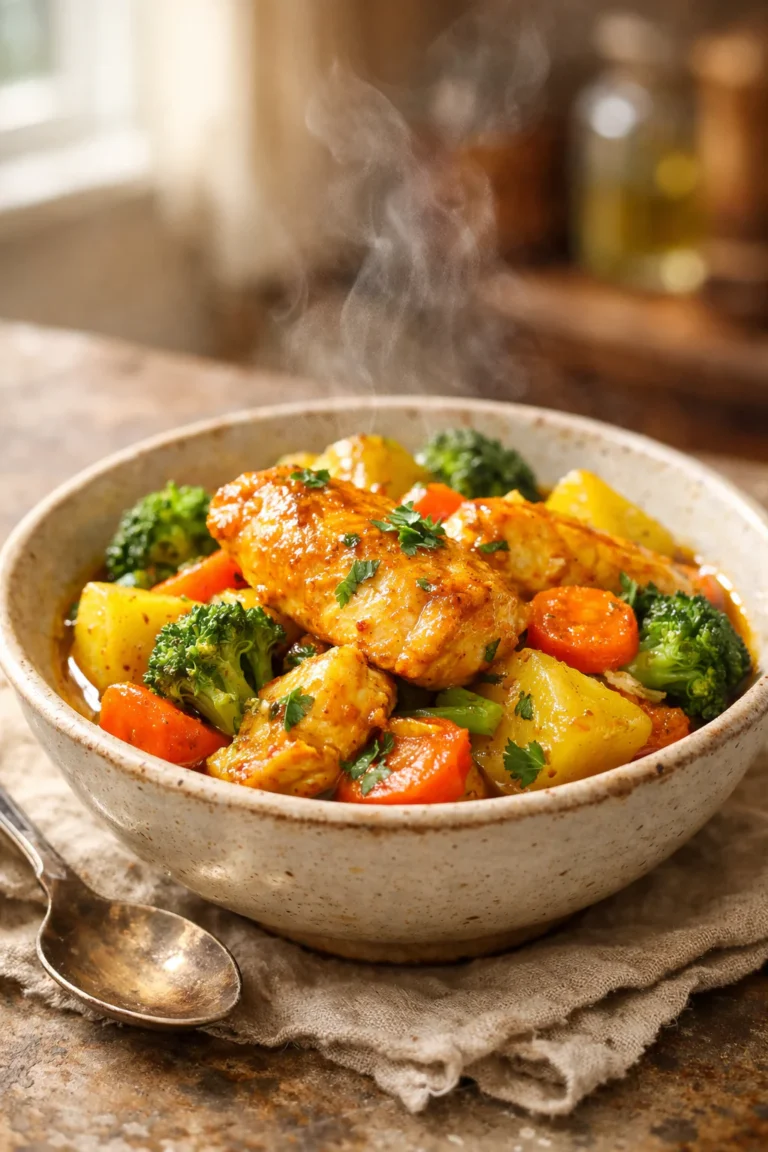
A small-batch, one-pan turmeric chicken with tender vegetables that cooks on the stove for 1 to 2 servings with minimal cleanup.
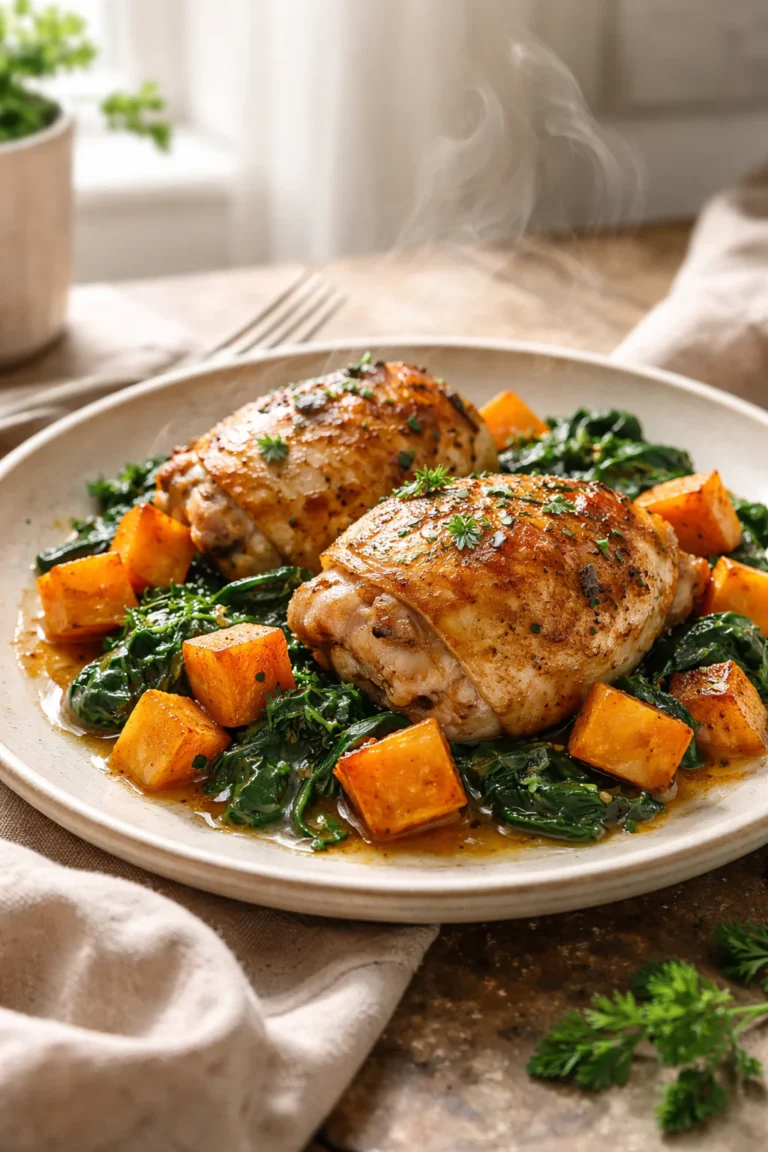
One-pan baked chicken thighs with sweet potato and spinach, scaled for one or two with soft textures and gentle anti inflammatory flavors.
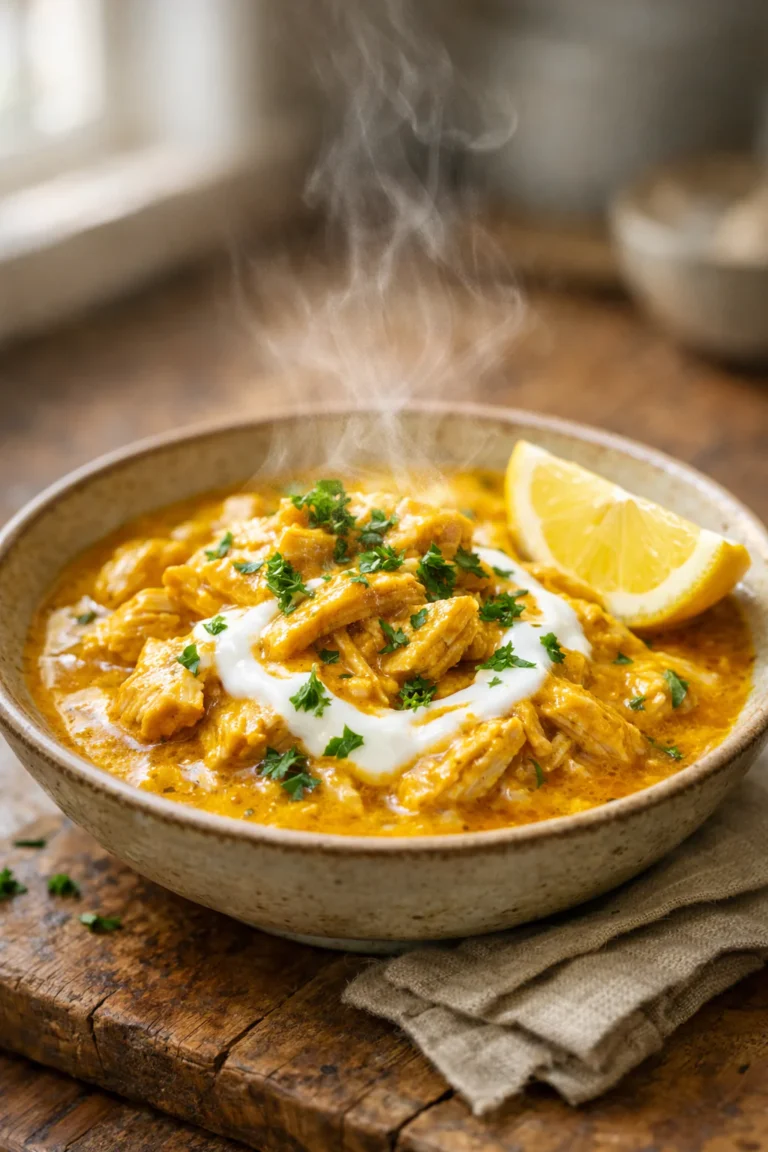
Small batch slow cooker turmeric chicken for 1 to 2 servings, soft and low sodium with mild turmeric and ginger for gentle digestion.
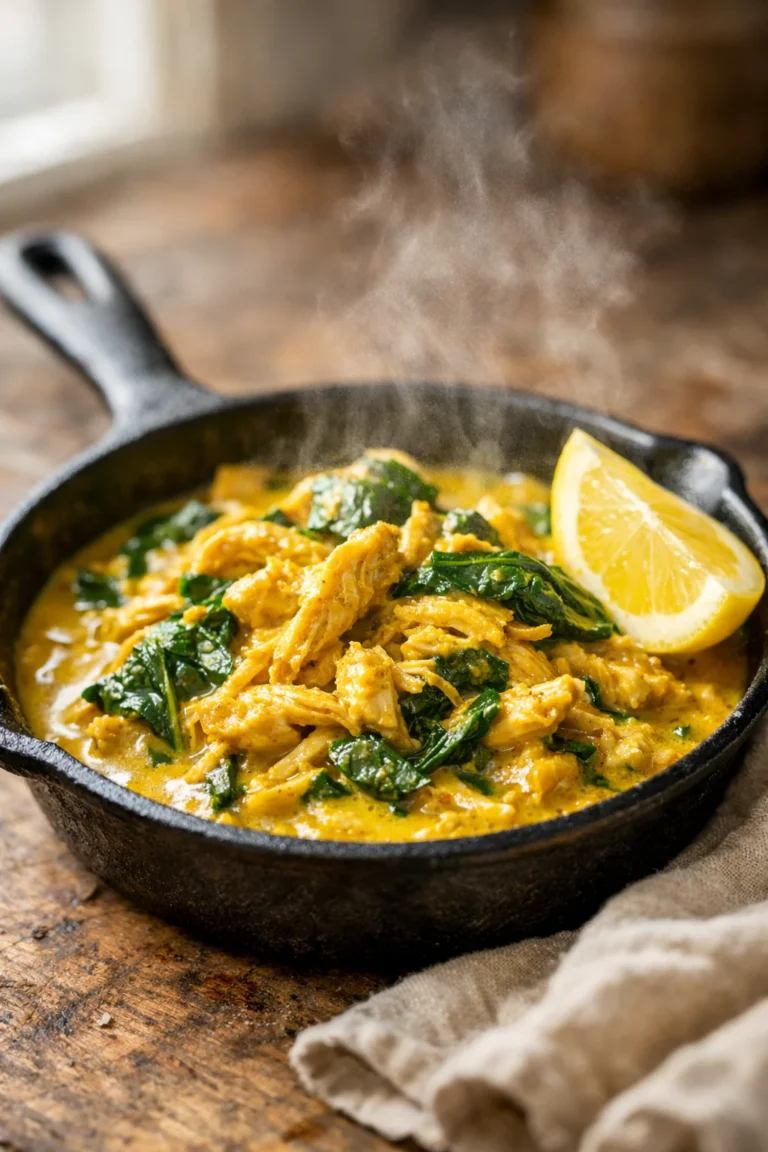
One-pan chicken skillet flavored with turmeric and ginger for 1 to 2 servings; soft texture, low in added salt, quick to make and easy to reheat.
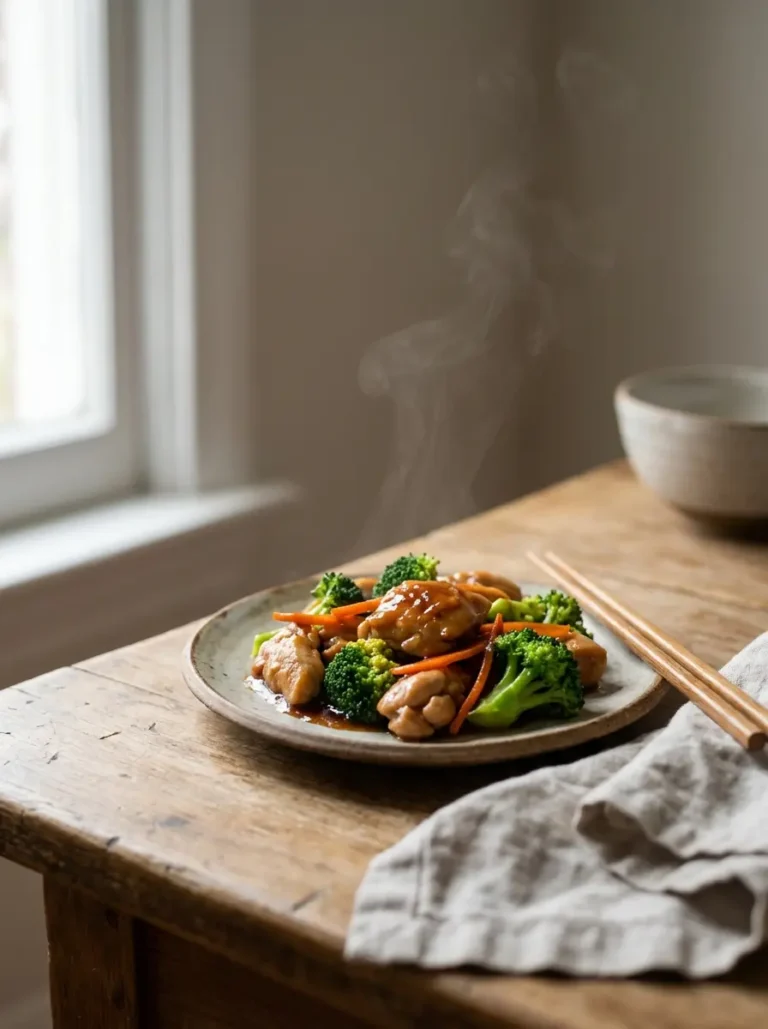
Quick ginger and turmeric chicken stir-fry for 1–2, gentle on digestion and aligned with Nutritional Pyramid 2026 guidance.
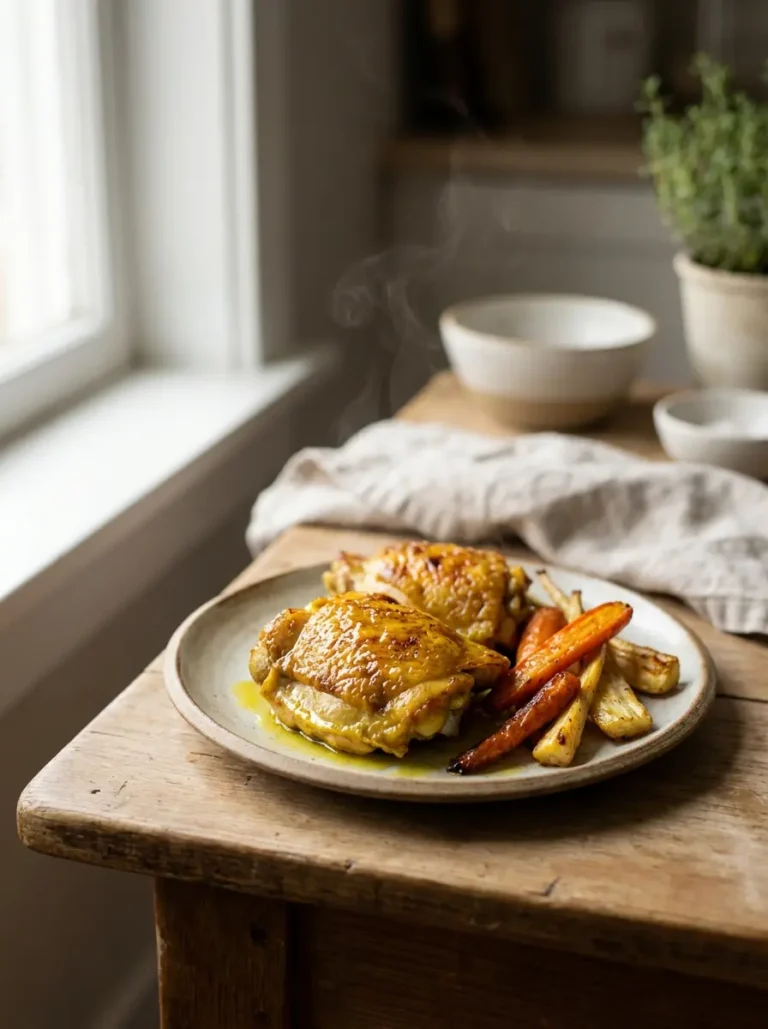
A small-batch turmeric-roasted one-pan chicken and vegetables for 1–2, gentle on digestion with minimal cleanup and whole-food ingredients.
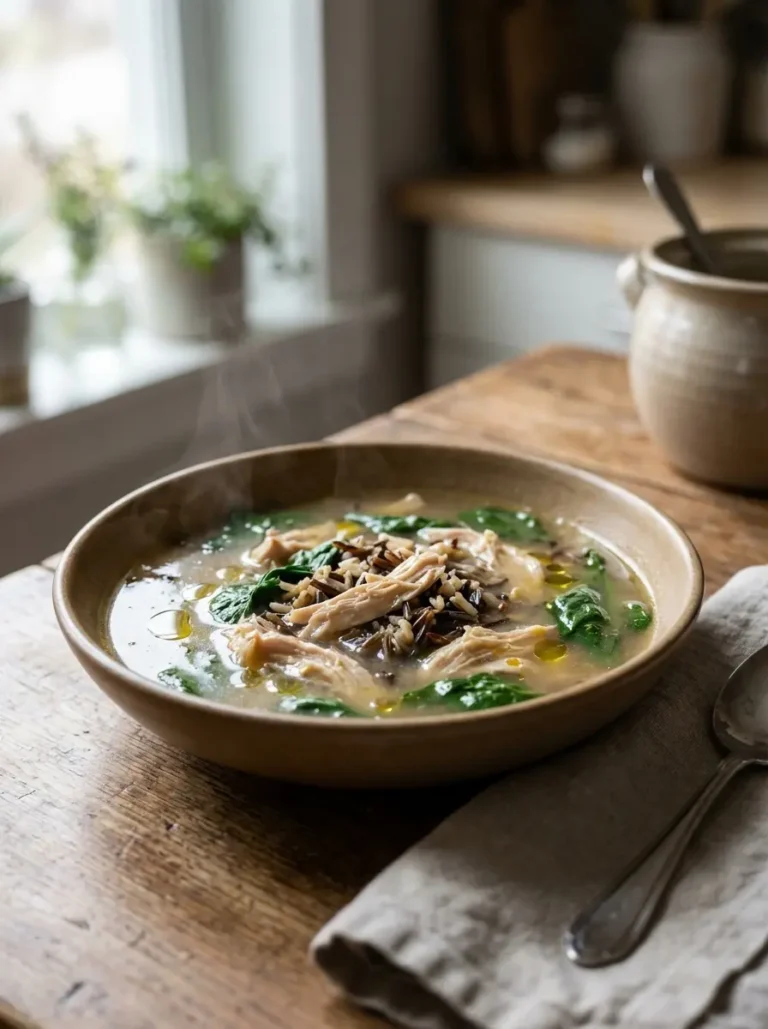
Small-batch chicken, wild rice, and vegetable soup—warm, protein-packed, and gentle on digestion, ready in 15–40 minutes.
Inflammation is the body’s natural response to stress, injury, and certain foods — but chronic inflammation is linked to a range of health issues. The good news is that what you put on your plate can help. Chicken is a great starting point: it’s lean, high in protein, and a blank canvas for the herbs, spices, and vegetables that do the real anti-inflammatory work.
The magic is in what you pair your chicken with:
Lean on color — a plate full of vibrant vegetables usually means a plate full of anti-inflammatory nutrients. Cook with olive oil instead of refined oils, season generously with anti-inflammatory spices instead of relying on salt, and add a squeeze of lemon or a handful of fresh herbs at the end for brightness. Batch-cook when you can so a healthy dinner is always within reach.
Anti-inflammatory diets emphasize vegetables, fruits, healthy fats like olive oil, fatty fish, whole grains, nuts, and spices such as turmeric and ginger — while limiting processed foods, refined sugar, and fried foods.
Yes — chicken, especially skinless and prepared without heavy frying, is a lean protein that fits well into an anti-inflammatory diet, particularly when paired with vegetables, herbs, and healthy fats.
Cook it with anti-inflammatory ingredients: marinate with turmeric, ginger, garlic, and olive oil, roast or grill instead of frying, and serve alongside colorful vegetables and leafy greens.
An anti-inflammatory diet may support overall wellness, but it isn’t a substitute for medical care. If you’re managing a specific condition, check with your doctor or a dietitian for personalized advice.