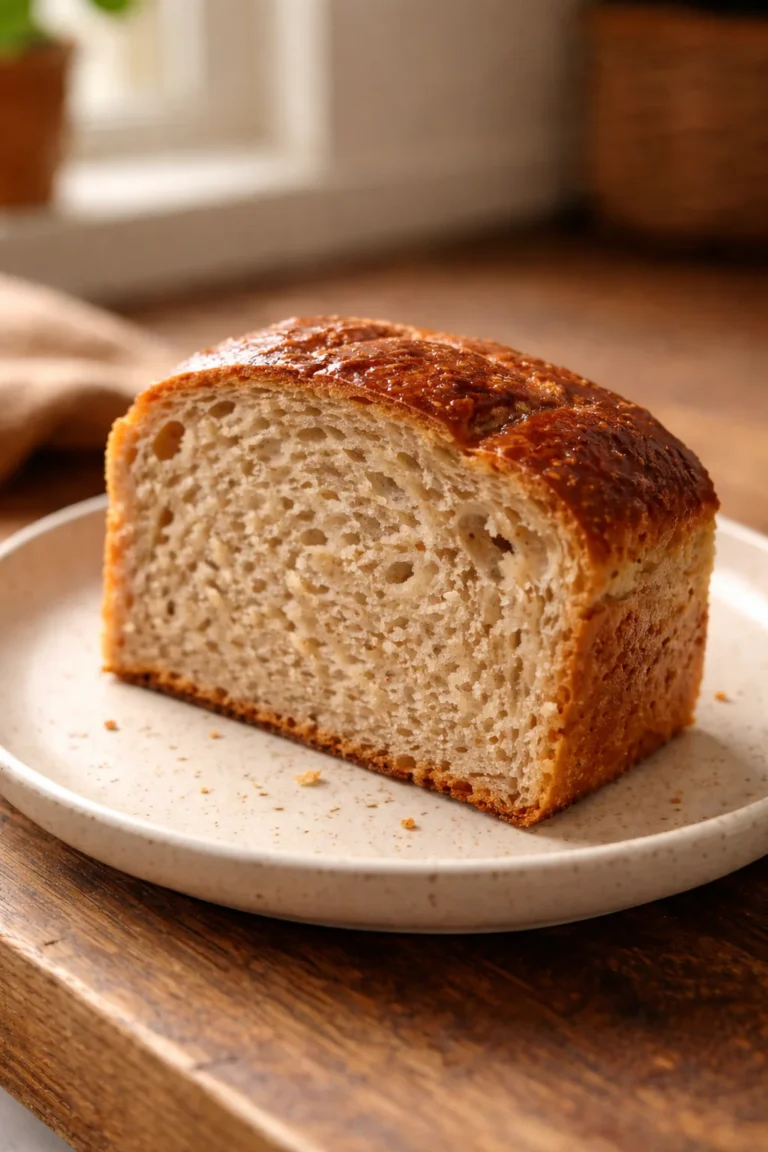
Low Sodium No-Knead Bread for Gentle Appetites
Soft, small-batch no-knead dinner rolls made with very little salt. These drop rolls are easy to mix, gentle to chew, and perfect when you want fresh bread without a lot of effort. The recipe makes about 4 to 6 small rolls, ideal for one or two people and it keeps steps simple and cleanup minimal.
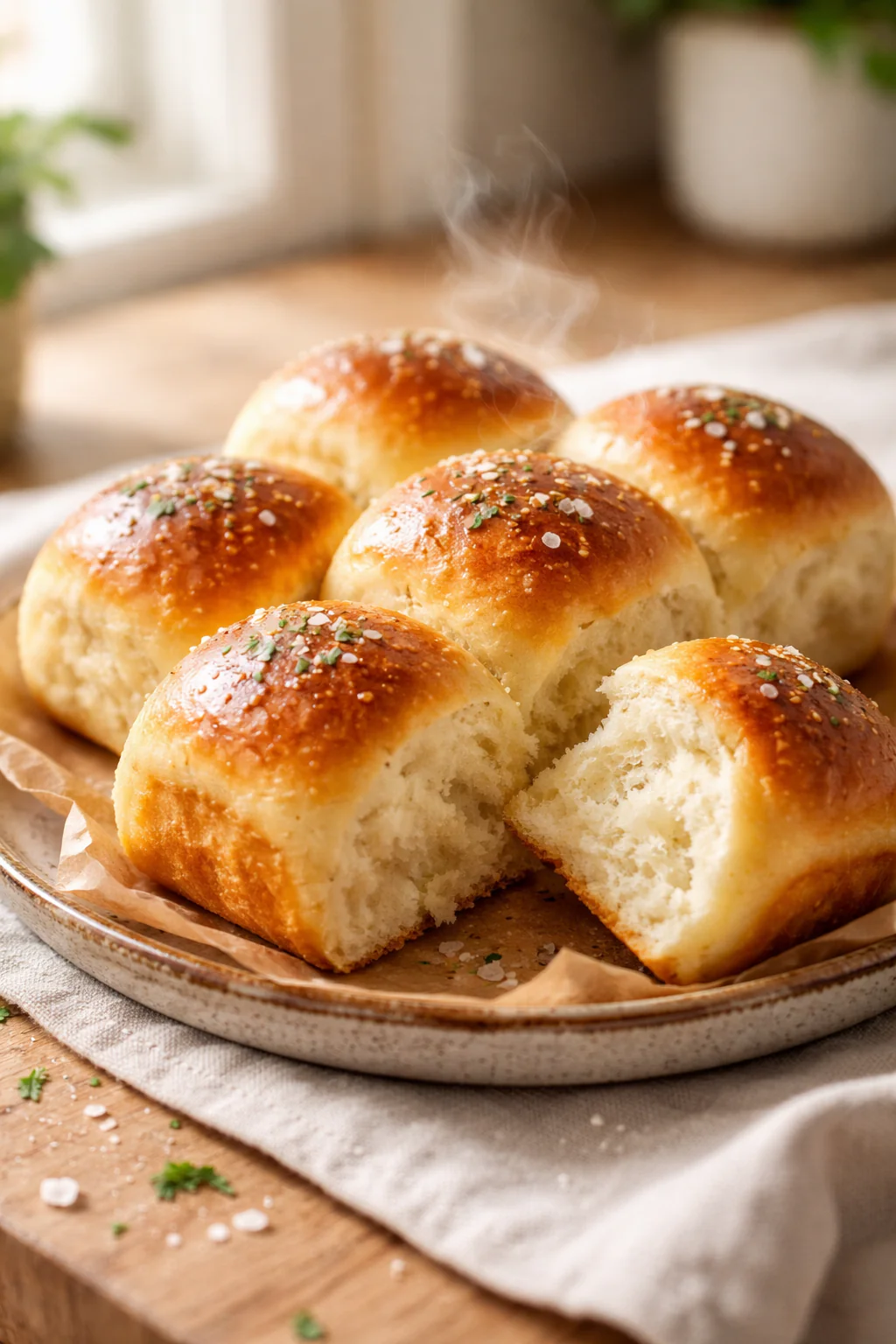
These soft no-knead rolls use a slow rise and a little extra fat or milk to give a tender crumb that is easier to chew. You do not need a mixer or heavy kneading – just a bowl and a spoon.
Portion size and a gentle texture make these reliable when you want fresh bread but prefer small batches. The recipe uses low-sodium choices so you can control salt if your doctor advised you to watch sodium.
Ingredients You’ll Need
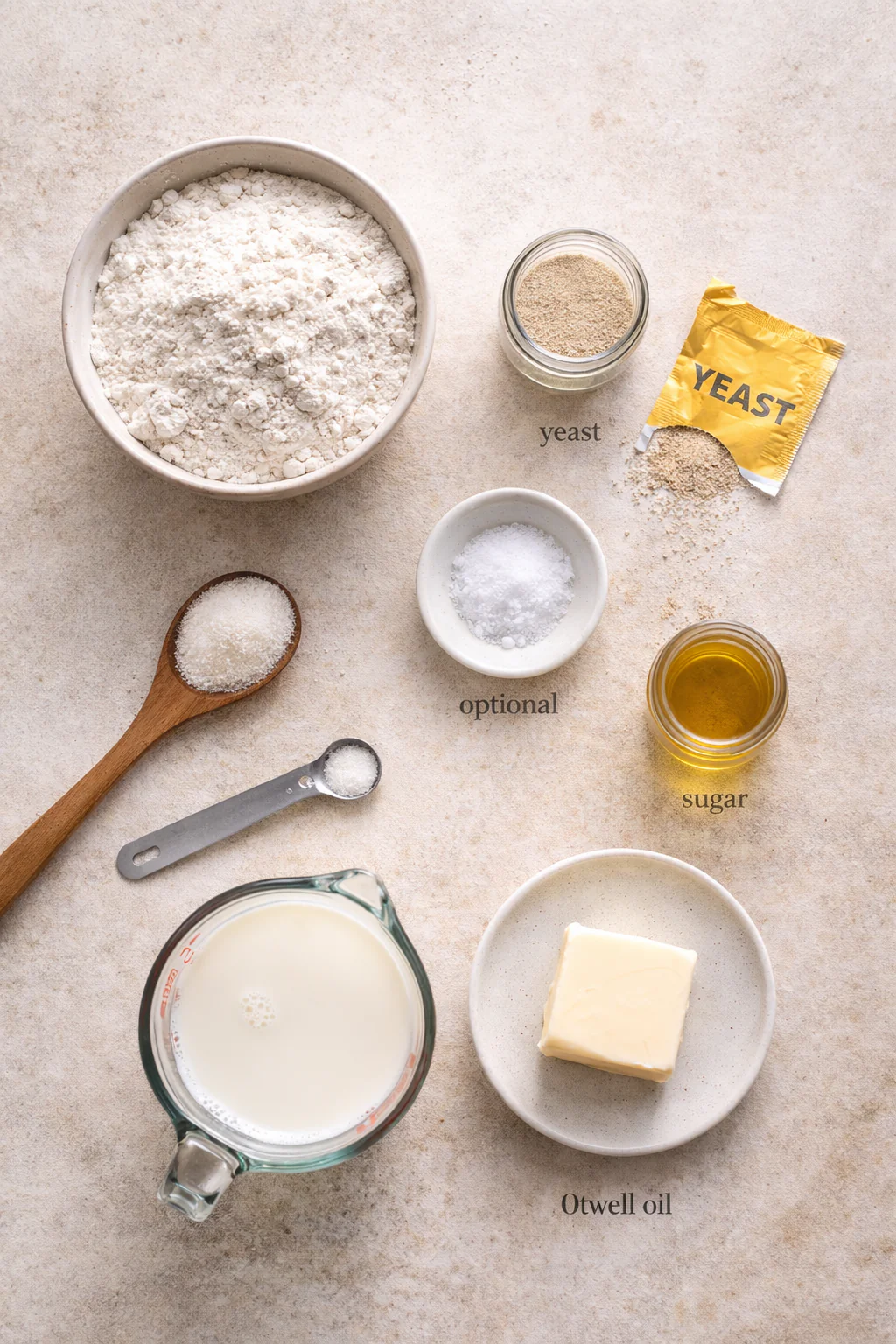
- 1 cup all-purpose flour plus a little for dusting
- 1/2 teaspoon instant yeast
- 1 teaspoon granulated sugar or honey
- 1/8 teaspoon fine salt or omit for very low sodium
- 3/4 cup warm milk or warm water – milk gives a softer crumb
- 1 tablespoon olive oil or melted unsalted butter
You can serve these soft no-knead rolls with a small bowl of soup, soft butter, or mashed vegetables.
Step-by-Step Recipe
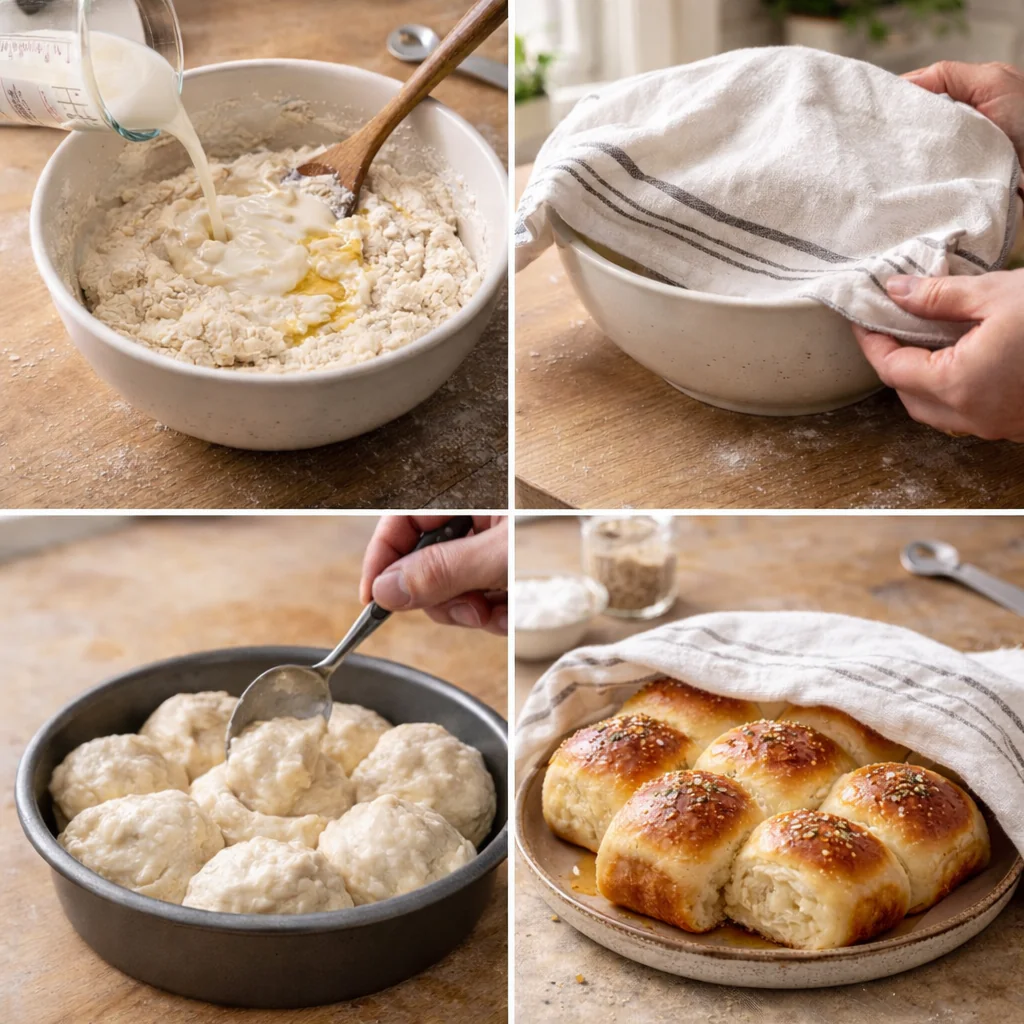
- In a medium bowl, whisk the flour, instant yeast, sugar, and salt.
- Add warm milk or water and oil and stir until a soft, sticky dough forms with no kneading needed.
- Cover the bowl with plastic wrap or a clean towel and let the dough rise in a warm spot until doubled, about 1 to 2 hours. For a gentler rise refrigerate overnight and shape the next day.
- Lightly oil a small round baking pan or line with parchment and drop 4 to 6 even mounds of dough into the pan so they touch each other to create soft sides.
- Cover and let the shaped rolls rest 20 to 30 minutes while the oven preheats to 375 F.
- Bake 18 to 22 minutes until the tops are lightly golden and the rolls sound hollow when tapped. Brush hot rolls with melted unsalted butter and cover loosely with a clean towel as they cool for extra softness.
Tips and Easy Variations
Make rolls easier to chew
- Use milk instead of water and add 1 tablespoon plain yogurt for a softer crumb
- Keep rolls small so each bite is tender and easy to chew
- Brush with melted butter after baking to soften the crust
Dough and flour choices
- Use white all-purpose flour or mix half all-purpose and half pastry flour for a lighter crumb
- If using whole grains, substitute up to 1/4 cup whole wheat pastry flour to keep texture soft
- For a gentler rise, refrigerate overnight and shape the next day
Flavor and speed tips
- Fold in 1 tablespoon mashed roasted garlic or 1 teaspoon chopped fresh herbs for mild extra flavor
- Reduce salt to 1/8 teaspoon or skip it entirely for low sodium
- To speed the first rise use a warm oven with a pan of warm water but avoid direct heat that will kill the yeast
Quick reminders
- Keep salt low or omit if you follow a low sodium plan
- Small rolls are easier to chew and portion for one or two people
- Brush with butter and cover while cooling for a softer crust
Storage and Leftovers
Fridge
Store cooled rolls in an airtight container at room temperature for up to 2 days.
Freezer
Freeze cooled rolls in a sealed bag for up to 1 month and thaw at room temperature before warming.
Reheating
To refresh, wrap a roll in a damp paper towel and microwave 12 to 18 seconds or warm gently in an oven until soft.
Conclusion
Give these low-effort, small-batch no-knead rolls a try for soft, low sodium bread that is simple to make.
They are gentle on digestion, easy to chew, and tailored for one or two servings with minimal fuss and cleanup.
FAQ
Can I use active dry yeast instead of instant yeast?▶
Yes. Proof 1/2 teaspoon active dry yeast in the warm milk with the sugar for 5 to 10 minutes until bubbly, then mix into the flour.
How do I make the rolls very soft?▶
Use milk and add 1 tablespoon yogurt, keep the rolls touching in the pan so sides stay soft, and brush with melted butter after baking.