
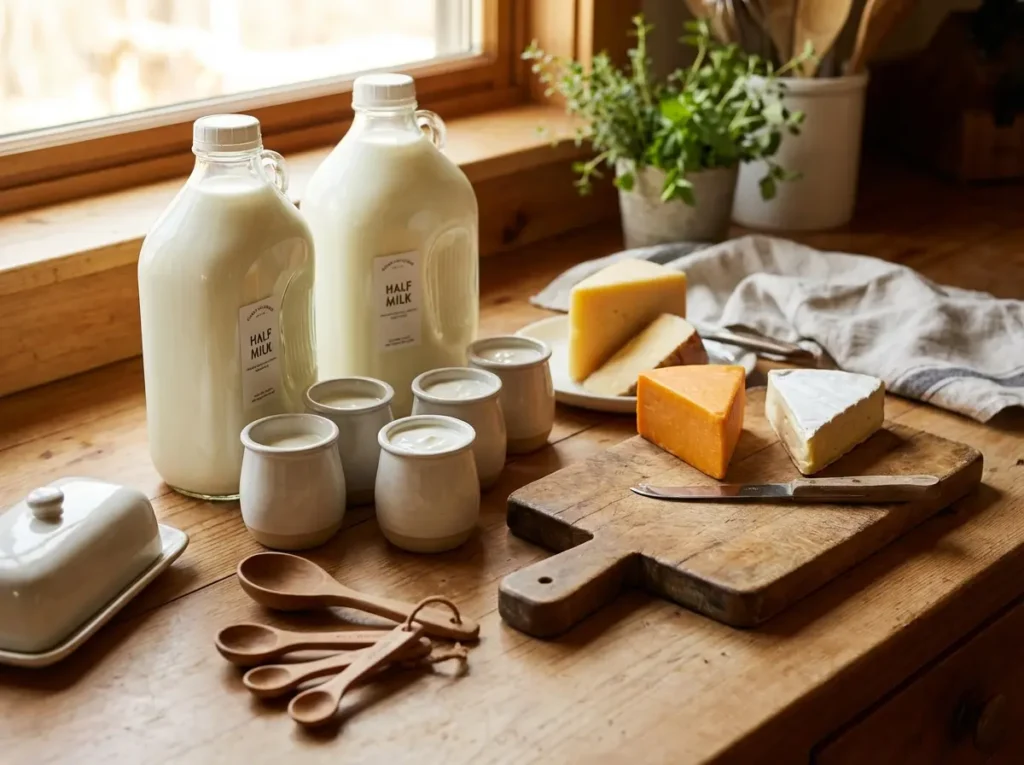
Shopping for fresh dairy products can feel tricky when cooking for one or two people. It’s easy to buy more than you need, only to find milk, yogurt, or cheese spoiling before you’ve had a chance to enjoy them. With some thoughtful choices and simple strategies, you can keep your dairy fresh, reduce waste, and make meal preparation smoother and more enjoyable.
Choose Smaller Portions and Packs
Many stores stock dairy items in a range of sizes, making it easier to find the right amount for your needs. Instead of buying a large gallon of milk, consider half-gallons or even quart-size containers. Single-serving yogurt cups or small specialty cheeses are also good options.
Smaller packages not only help prevent waste but often stay fresher since they’re used up more quickly. When shopping, look for:
- Milk cartons or jugs in smaller volumes (e.g., 32 ounces)
- Individual yogurt containers or multi-packs with easy-open tabs
- Small blocks or wedges of cheese rather than large wheels
Understand Shelf Life to Plan Use
Knowing how long dairy products stay fresh can help you plan meals and store items properly to extend their life. For example, pasteurized milk typically lasts about a week unopened in the fridge. Yogurt can often last 1–2 weeks past its sell-by date if unopened and properly refrigerated.
Here are some friendly reminders:
- Keep milk and cream at the coldest part of your refrigerator, not the door, to extend freshness.
- Once opened, consume yogurt and milk within 5–7 days for best taste and safety.
- Hard cheeses like cheddar or Parmesan last longer and can be wrapped tightly to prevent drying out.
Opt for Long-Lasting or Shelf-Stable Alternatives
If frequent trips to the store are a challenge, or if you prefer to shop less often, consider including shelf-stable or longer-lasting dairy options in your routine.
- UHT (ultra-high temperature) milk: These cartons stay shelf-stable until opened, making them handy backups.
- Powdered milk: Can be reconstituted as needed and stored long-term.
- Hard and aged cheeses: They tend to last longer and are less likely to spoil quickly.
- Greek-style strained yogurts packaged in resealable containers to keep them fresh after opening.
Use Proper Storage Techniques
Storing dairy properly helps maintain freshness and taste. Here are some practical tips that can save money and reduce waste:
- Keep dairy in the coldest part of the fridge, usually near the back and bottom shelves.
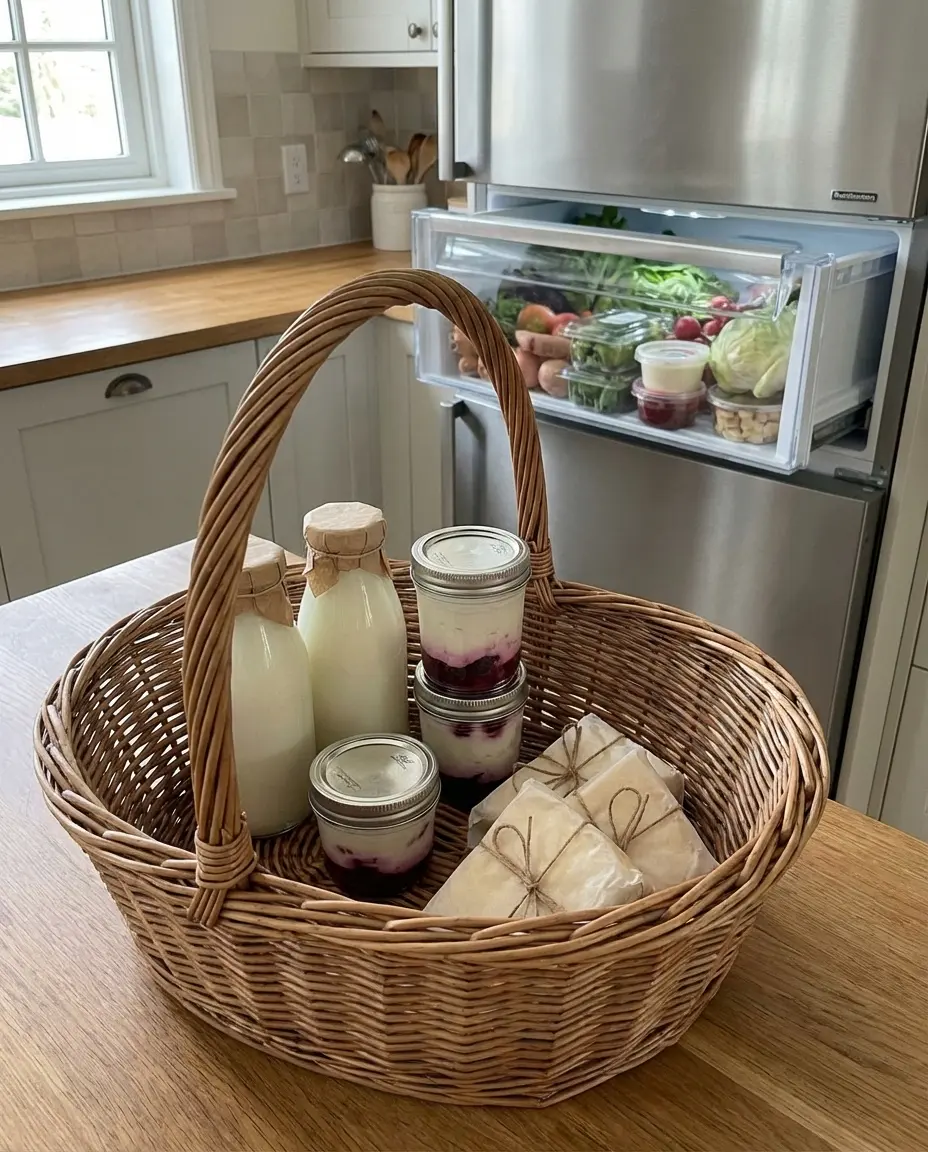
- Use airtight containers for opened yogurts or transfer cheese into resealable bags to avoid excess air exposure.
- Don’t store dairy products in the refrigerator door, where temperature fluctuates most.
- For partially used blocks of cheese, wrap them in wax or parchment paper first, then place in a loose plastic bag to allow the cheese to breathe.
Incorporate Leftover Dairy in Simple, Gentle Meals
To minimize waste, find easy recipe ideas that use small amounts of leftover dairy. For example:
- Add a spoonful of sour cream or yogurt to soups for creaminess.
- Top baked or steamed vegetables with a sprinkle of cheese.
- Mix cottage cheese or ricotta with fresh herbs and use as a spread on whole-grain toast.
- Blend milk or yogurt into smoothies with fresh or frozen fruit for a quick, nutritious snack.
Simple Steps to Keep Your Dairy Fresh and Low Waste
- Choose dairy packages sized for one or two servings to avoid leftovers.
- Store dairy in the coldest spot of your fridge, not in the door.
- Try shelf-stable dairy options like UHT milk and harder cheeses for flexibility.
- Use small amounts of dairy creatively in meals to enjoy all your purchases without waste.
By shopping thoughtfully and storing carefully, you can enjoy fresh dairy products with ease and confidence. These gentle routines make cooking comfortable and waste-free, helping you focus on the pleasure of wholesome, simple meals.