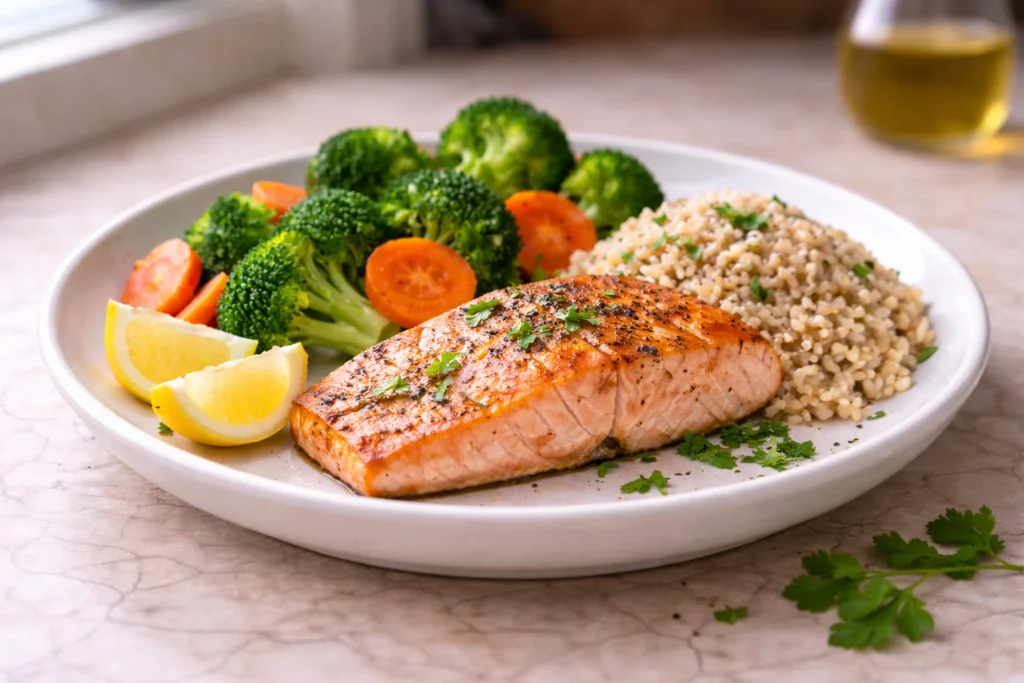
Low sodium foods can help heart patients manage salt intake while still enjoying satisfying, comfort style meals. The best approach is to focus on naturally low sodium whole foods and use flavor boosters like herbs, citrus, and spices instead of relying on salty sauces. This guide shares practical low sodium food ideas, shopping tips, and simple meal building blocks.
Low sodium foods for heart patients (Quick Answer)
Build meals around fresh foods and choose packaged items labeled low sodium or no salt added. Rinse canned foods, skip salty sauces, and season with herbs, garlic, lemon, and vinegar for big flavor.
- Fill half your plate with fresh or frozen vegetables and fruit.
- Choose plain proteins like chicken, fish, eggs, beans, or tofu without added seasoning.
- Pick whole grains like oats, brown rice, quinoa, or unsalted whole grain bread.
- Use no salt added or low sodium canned goods and rinse beans and vegetables well.
- Flavor with herbs, spices, garlic, onion, citrus, and vinegar instead of salty sauces.
- Check labels and compare sodium per serving before buying packaged foods.
Before You Start a Low Sodium Food Plan
- Follow your clinician’s sodium goal if you have one. Needs can vary.
- Check sodium per serving and also check the serving size on the label.
- Choose fresh or frozen foods more often than packaged foods.
- Rinse canned beans and vegetables to remove some of the sodium.
- Keep a few low sodium staples on hand so quick meals are easy.
Best Ways to Low sodium foods for heart patients
The easiest way to eat low sodium is to start with foods that are naturally low in sodium, then add flavor with simple seasonings. Many “hidden sodium” sources come from breads, deli meats, canned soups, condiments, and ready-to-eat meals.
The sections below give you low sodium food choices by category, plus simple steps to shop and cook in a way that keeps meals tasty. If you are ever unsure about a specific medical target, ask your healthcare team for guidance.

How to choose naturally low sodium foods (Fruits and Vegetables)
Best for: everyday low sodium eating, simple meals, easy snacks
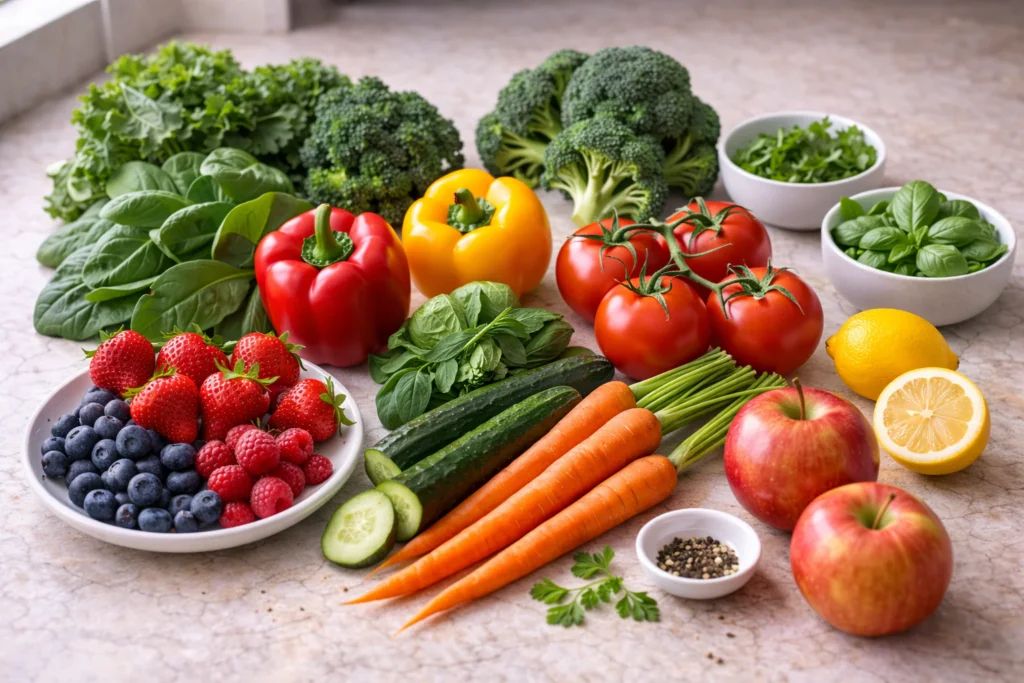
Fresh fruits and vegetables are naturally low in sodium and add volume and fiber to meals. Frozen vegetables without sauce are also a great choice and often just as nutritious as fresh.
Aim for a mix of colors and textures. Roasted, steamed, or sautéed vegetables can taste rich without needing much salt.
Steps:
- Choose fresh produce most often, then add frozen vegetables with no sauce for convenience.
- Keep quick options ready like baby carrots, cucumbers, berries, apples, and bananas.
- Cook vegetables with olive oil, garlic, pepper, and lemon for flavor.
- Use salsa-style mixes made from fresh ingredients, not salty bottled sauces.
Why This Method Works
Foods that are naturally low in sodium let you control salt while still eating filling portions that support heart friendly meal patterns.
Tip: If vegetables taste bland at first, add acid. Lemon juice or vinegar can make flavors pop without extra sodium.

How to pick low sodium proteins (Chicken, Fish, Eggs, Beans)
Best for: satisfying meals that stay low sodium
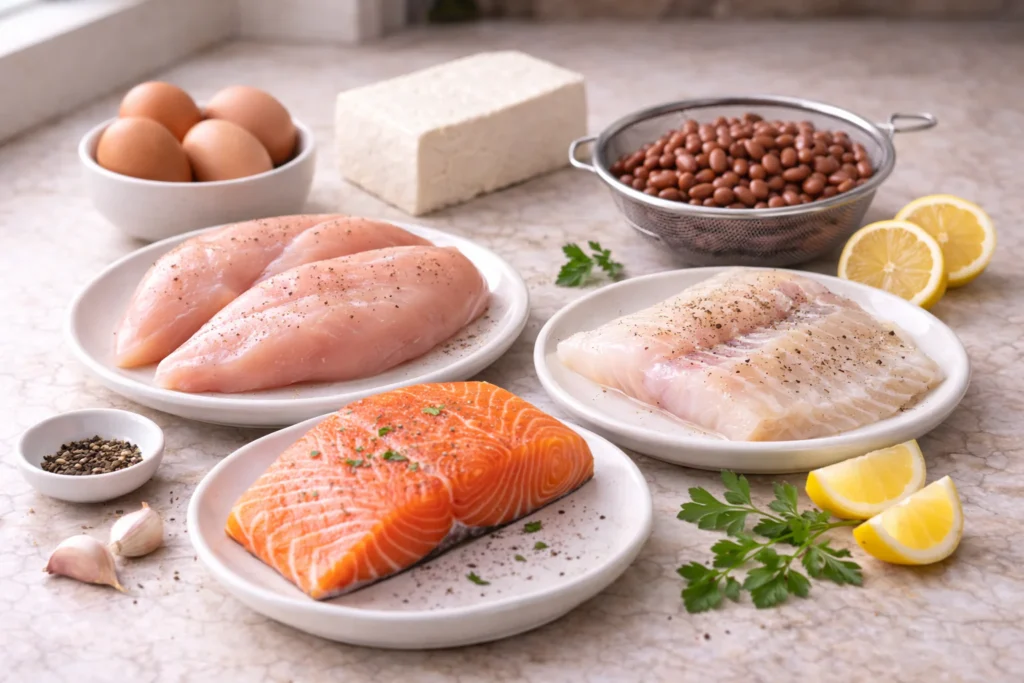
Protein can be low sodium when it is plain and unseasoned. The sodium usually comes from marinades, breading, deli meats, sausages, and pre-seasoned frozen options.
Good low sodium choices include fresh poultry, fish, eggs, plain Greek yogurt, unsalted nuts, and beans that are rinsed well.
Steps:
- Buy plain fresh chicken, fish, or turkey without added seasoning solutions.
- Choose eggs, tofu, or dry beans as naturally low sodium staples.
- If using canned beans, choose no salt added when possible and rinse for 20 to 30 seconds.
- Season proteins with black pepper, garlic, paprika, cumin, rosemary, thyme, or lemon.
Why This Method Works
Plain proteins give you flexibility. You control the flavor with herbs and cooking methods instead of sodium heavy processing.
Tip: Skip deli meats most days. If you use them, look for low sodium options and keep portions small.

How to choose low sodium carbs (Oats, Rice, Potatoes, Bread)
Best for: balanced meals that feel like comfort food
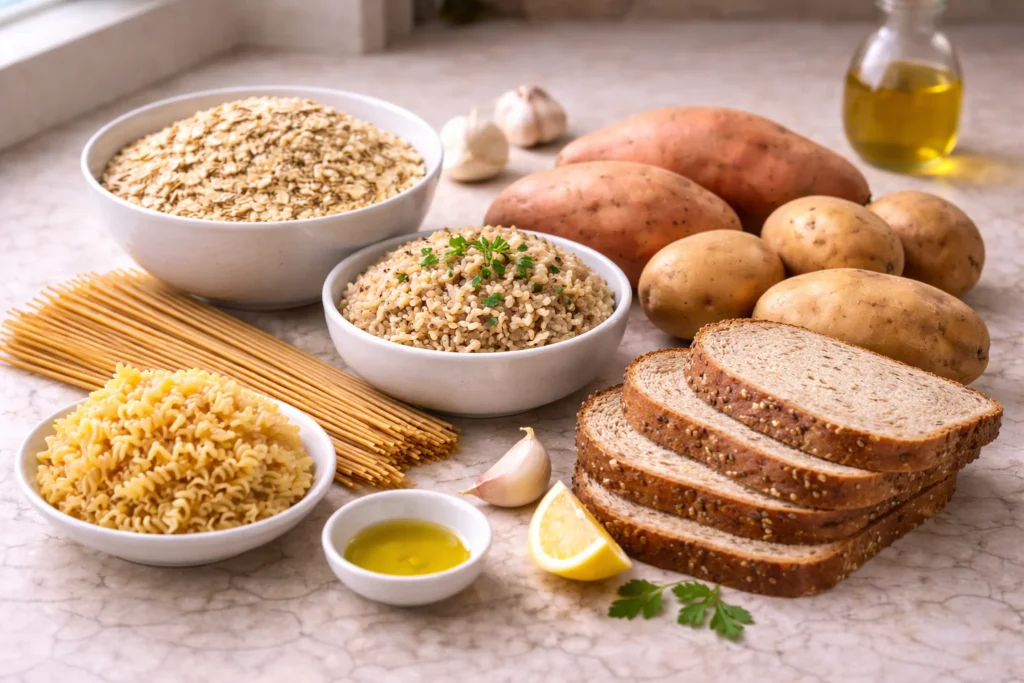
Whole grains and starchy foods can be naturally low sodium, but packaged breads, crackers, and instant mixes can add a surprising amount. Choose plain grains and season them yourself.
Good options include oats, brown rice, quinoa, plain pasta, sweet potatoes, and homemade baked potatoes.
Steps:
- Choose plain grains like oats, rice, quinoa, or plain pasta.
- Cook grains in water or unsalted broth, then add herbs, garlic, and lemon.
- When buying bread, compare brands and pick lower sodium per serving.
- Use potatoes or sweet potatoes for a filling base without added sodium.
Why This Method Works
Plain grains and potatoes are easy to keep low sodium and help meals feel complete without relying on salty packaged sides.
Tip: Instant flavored rice and noodle packets are usually high sodium. Plain versions are a better everyday choice.

How to buy packaged foods with less sodium (Labels and Swaps)
Best for: shopping smarter, keeping convenience without excess sodium
You can still use packaged foods if you choose carefully. Look for “no salt added” and “low sodium” options, and compare sodium per serving across brands.
Common higher sodium items include canned soups, sauces, frozen meals, condiments, and snack foods.
Steps:
- Check sodium per serving first, then check serving size.
- Choose no salt added canned tomatoes, vegetables, and beans when available.
- Pick low sodium broths and use smaller amounts of condiments.
- Choose plain frozen vegetables over seasoned blends with sauce.
- If you buy soup, look for low sodium versions and add extra vegetables at home.
Why This Method Works
Small label choices add up fast. Swapping a few staples can reduce sodium across the whole week without changing your routine.
Tip: Use mustard, lemon, vinegar, and yogurt based sauces more often than salty bottled sauces.

How to add big flavor without salt (Seasoning Toolkit)
Best for: making low sodium foods taste satisfying
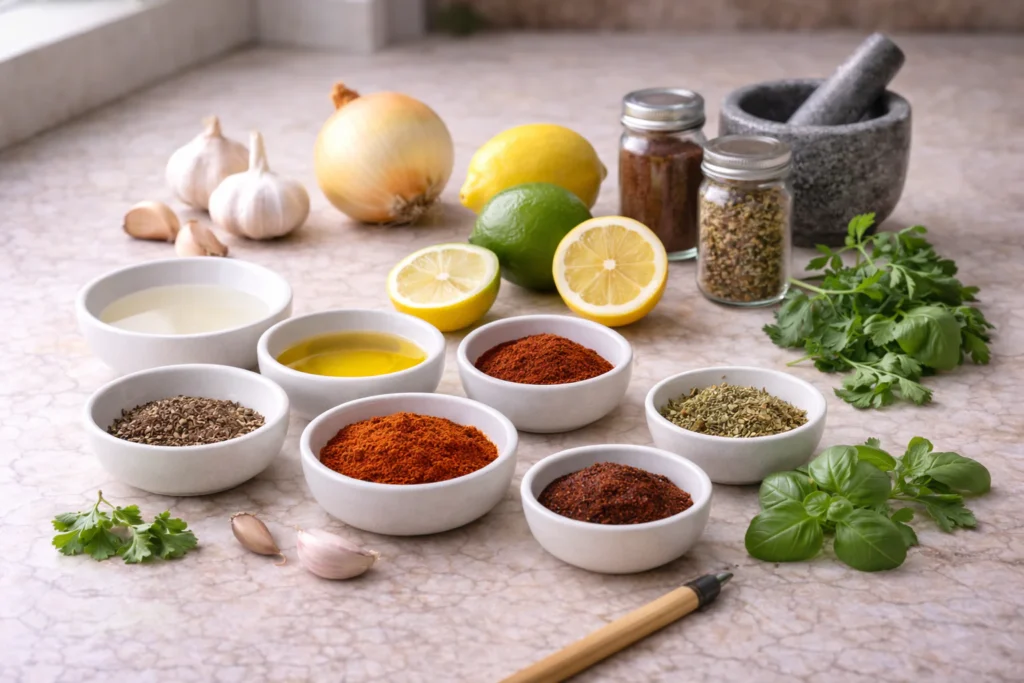
The hardest part of low sodium eating is missing the “pop” of salty flavor. The fix is to build flavor with herbs, spices, aromatics, and acids that wake up the taste of food.
A strong seasoning toolkit makes it easier to stick with low sodium meals long term.
Steps:
- Use aromatics like onion, garlic, scallions, and ginger.
- Add acid like lemon juice, lime juice, or vinegar at the end.
- Use spices like paprika, cumin, chili powder, black pepper, and Italian seasoning.
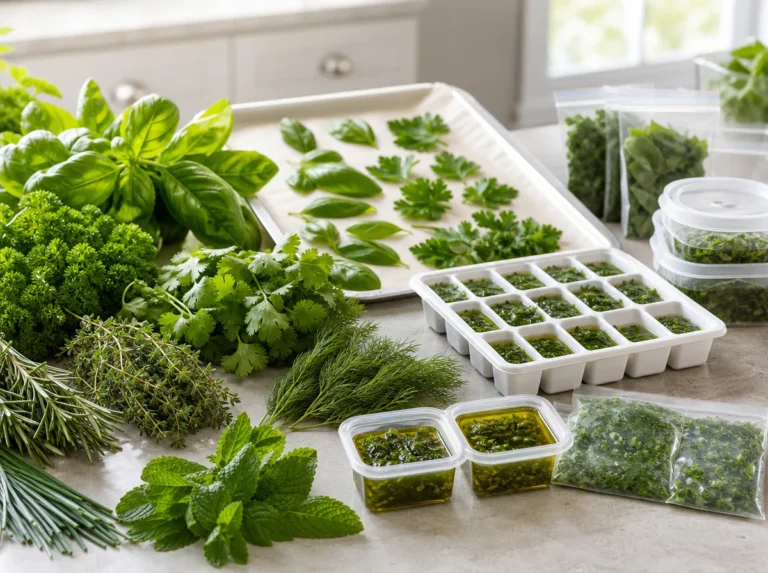
- Try fresh herbs like parsley, dill, basil, and cilantro when possible.
- Finish with a small drizzle of olive oil for richness and mouthfeel.
Why This Method Works
Salt is only one way to boost flavor. Acid, herbs, and spices create depth so meals still feel like comfort food without extra sodium.
Tip: Add lemon or vinegar at the end, not the beginning. It tastes brighter and needs less.
How Long to Build a Low Sodium Routine
- Label scan at the store: 10 to 20 seconds per item once you know your staple brands
- Rinse canned beans and vegetables: 20 to 30 seconds
- Simple seasoning meal prep: 10 to 15 minutes to mix spice blends and chop aromatics
- Weekly staple prep: 30 to 60 minutes to cook grains, roast vegetables, and portion proteins
Common Problems and Fixes
Food tastes bland without salt
- Add lemon juice or vinegar at the end of cooking.
- Use garlic, onion, and spice blends for stronger flavor.
- Try fresh herbs and finish with a little olive oil for richness.
Packaged foods make sodium add up fast
- Swap to no salt added canned items and low sodium broth.
- Use fewer condiments and measure them instead of pouring.
- Choose plain frozen vegetables instead of seasoned blends.
Eating out makes low sodium hard
- Ask for sauces and dressings on the side.
- Choose grilled, baked, or steamed options and add lemon when available.
- Keep portions smaller and pair with a salad or fruit when possible.
Cravings for salty snacks
- Choose unsalted nuts, fruit, plain popcorn you season yourself, or yogurt with berries.
- Use crunchy vegetables with a homemade yogurt dip.
- Keep salty snacks out of sight and portion them if you buy them.
Not sure how much sodium is appropriate
- Follow your clinician’s guidance if you have heart conditions or fluid limits.
- Track your usual day for a week to see where sodium is coming from.
- Focus first on the biggest sodium sources like soups, sauces, and processed meats.
FAQ
What are low sodium foods for heart patients
Low sodium foods include fresh fruits and vegetables, plain meats and fish, eggs, beans, oats, rice, potatoes, and unsalted nuts. The lowest sodium choices are usually foods that are not heavily processed.
How to eat low sodium for heart health
Build meals around fresh foods, choose low sodium or no salt added packaged items, and use herbs, spices, and citrus for flavor. Compare labels and reduce salty sauces and condiments.
What is the best way to lower sodium when cooking at home
Use garlic, onion, herbs, and spices plus lemon or vinegar for flavor, and limit salty sauces. Start with plain ingredients and season at the end so you need less.
Are canned beans OK for a low sodium diet
Yes, especially no salt added beans. If you use regular canned beans, rinse them well under water for 20 to 30 seconds to remove some sodium.
How to choose low sodium soup
Look for low sodium versions and check the sodium per serving and the serving size. You can also thin soup with extra vegetables at home to reduce sodium per bowl.
What are low sodium snacks for heart patients
Good options include fruit, unsalted nuts, plain yogurt with berries, vegetables with homemade dip, and plain popcorn seasoned with herbs and spices.
How to read labels for sodium
Check sodium per serving first, then check the serving size. Compare brands side by side and choose the one with lower sodium for the same portion.
What are the biggest hidden sodium foods
Common hidden sources include breads, deli meats, canned soups, sauces, condiments, frozen meals, and snack foods. Swapping a few of these can make a big difference.
Can you flavor food without salt
Yes. Use garlic, onion, herbs, spices, citrus, vinegar, and a small amount of olive oil to create strong flavor without extra sodium.
Is a low sodium diet the same for everyone with heart problems
Not always. Some people are given specific sodium or fluid goals. It is best to follow the plan provided by your healthcare team.
How to make low sodium meals taste like comfort food
Use roasted vegetables, warm spices, and creamy elements like plain yogurt based sauces. Add lemon or vinegar at the end for brightness and flavor.
If you tell me the foods you usually eat, whether you cook at home often, and which meals are hardest to keep low sodium, I can suggest specific low sodium swaps and easy meal ideas.
With the right staples and seasonings, low sodium foods can still taste satisfying and comforting while helping you stay on track.